
Tag: Visit Morocco
-

The Almoravid Dynasty: Shaping Morocco’s History
The Almoravid dynasty, emerging in the 11th century, significantly shaped Morocco’s identity by unifying fragmented tribes, promoting strict Maliki Islam, and expanding into Al-Andalus. They founded Marrakesh, a vital cultural and commercial hub, and left a profound legacy impacting political, religious, and architectural landscapes in Morocco that endures today.
-

Discovering Tbourida: Morocco’s Equestrian Heritage
Tbourida, or “Cavalry Fantasy,” is a vibrant Moroccan equestrian performance symbolizing national pride and cultural identity. Originating from ancient military traditions, it represents bravery and community. Each synchronized charge showcases riders’ skill, deep horse bonds, and artistic discipline, preserving Morocco’s rich equestrian heritage and connecting modern Moroccans to their ancestral glory.
-

Explore Ifrane: Morocco’s Hidden Alpine Gem
Ifrane, known as “Little Switzerland,” is a charming mountain town in Morocco’s Middle Atlas, characterized by clean air, European-style architecture, and lush greenery. Designed during the French Protectorate, it offers summer retreats and winter sports. Ifrane’s unique blend of natural beauty, cleanliness, and vibrant university life adds to its allure.
-

Exploring the Saadian Dynasty: Morocco’s Golden Age
The Saadian Dynasty (1510–1659) played a crucial role in shaping Moroccan identity through military and architectural achievements. Arising from a family of sharifs, they united Morocco and solidified their power under leaders like Muhammad al-Shaykh and Ahmad al-Mansur al-Dhahabi. The dynasty is noted for significant victories against European powers, wealth from trade, and monumental projects…
-

Discover Meknes: Morocco’s Hidden Gem
Meknes, often overlooked, is a UNESCO World Heritage site in Morocco with a rich history dating back to the 11th century. Under Sultan Moulay Ismail’s rule, it thrived as an imperial capital. Visitors can enjoy its warm culture, impressive architecture, traditional markets, and nearby historical landmarks, all with fewer crowds than larger cities.
-
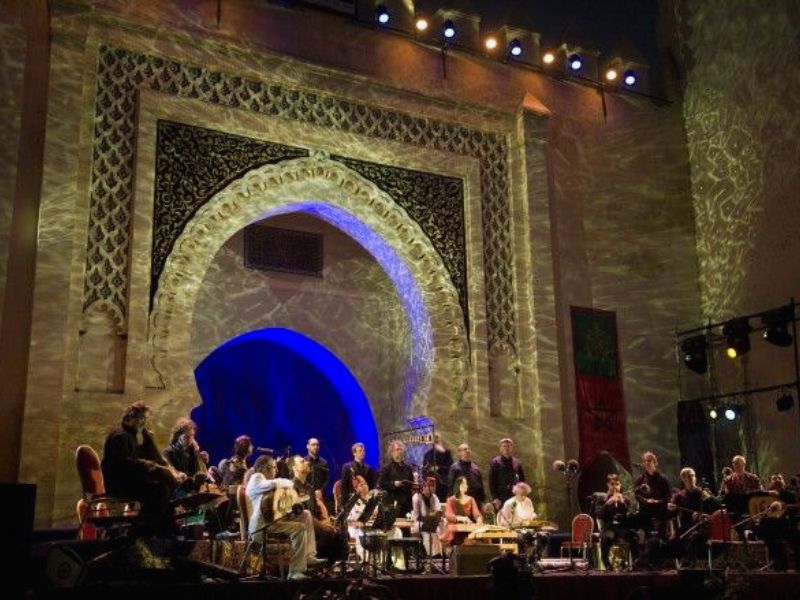
Explore the Fes World Sacred Music Festival
The Fes World Sacred Music Festival in Morocco transforms the city into a vibrant hub of spirituality and cultural exchange. Celebrating diverse musical traditions, it offers introspective performances, enlightening discussions, and immersive cultural experiences. This ten-day festival continues to resonate, inviting travelers to engage with its unique harmonies and global connections each year.
-

Experience the Fes Festival of World Sacred Music 2025
The Fes Festival of World Sacred Music, held in Fez, Morocco from May 16-24, 2025, embodies cultural renewal under the theme “RENAISSANCES.” With diverse global performances celebrating African heritage and promoting intercultural dialogue, the festival transforms historical sites into vibrant stages, offering music, Sufi rituals, and intellectual discussions to inspire unity and understanding.
-

Discover Taroudant: Morocco’s Hidden Gem
Taroudant, known as “Little Marrakesh,” offers an authentic glimpse into traditional Berber culture with its ochre walls and relaxed atmosphere. Rich in history, it features ancient ramparts and vibrant souks showcasing local crafts. As a gateway to the scenic Souss Valley, Taroudant invites travelers seeking a genuine Moroccan experience.
-

Discover the Allure of Moroccan Leather Goods
Moroccan leather products are a representation of the country’s rich heritage and artisanal skill. From babouche slippers to intricately designed poufs, each item showcases unique craftsmanship and natural materials. The traditional tanning methods create exceptional quality leather, enchanting travelers and style enthusiasts alike while preserving cultural heritage through these unique treasures.
-

🫖Discover the Story Behind Moroccan Mint Tea
Moroccan mint tea, known as “Atay,” symbolizes hospitality and cultural significance in Morocco, introduced in the 18th century through trade. Initially met with resistance, it became cherished through the addition of sugar and mint. The art of serving Atay fosters connection, making it an essential element of social gatherings and identity.
