
Tag: Visit Morocco
-
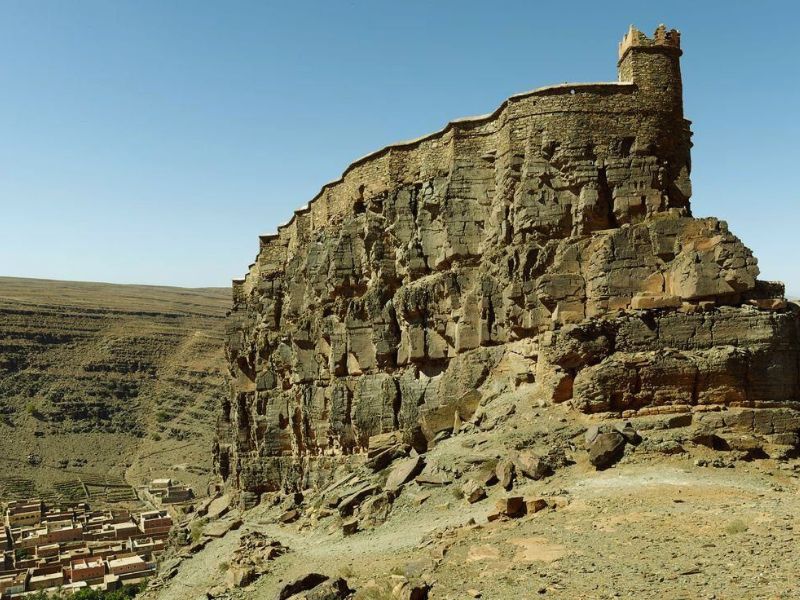
Exploring Igoudar: Morocco’s Ancient Granary
Igoudar, an ancient granary in Morocco’s Souss Massa region, reflects the country’s rich history and architectural heritage. Dating back over 1,000 years, its design showcases local materials and environmental adaptation. Igoudar symbolizes community cooperation and is critical for food security. Preservation efforts aim to maintain its cultural significance for future generations.
-

🌊 Discover Tangier: The Bride of the North
Explore Tangier, Morocco’s “Bride of the North.” From the bohemian cafes of the Medina to the Caves of Hercules, discover why this city is the ultimate cultural crossroads.
-
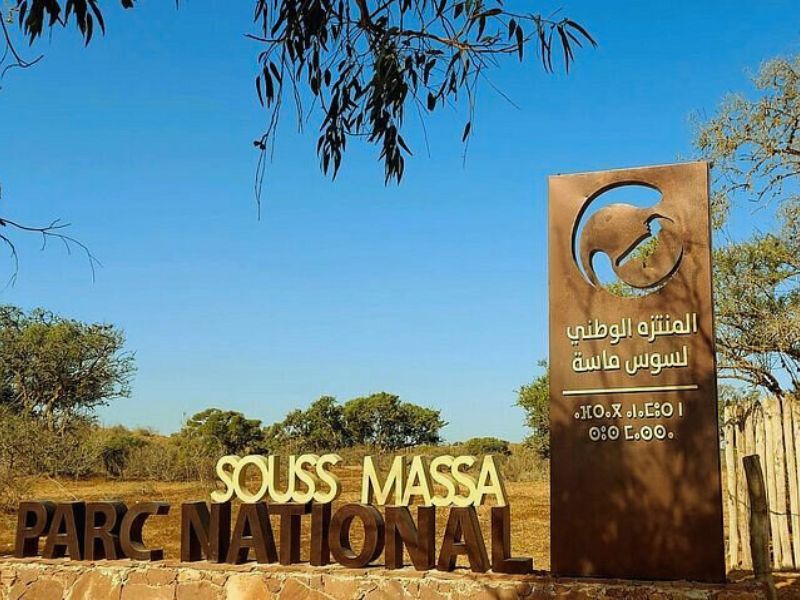
Discover Souss-Massa National Park: A Wildlife Paradise in Morocco
Souss-Massa National Park, located near Agadir, Morocco, is a protected area renowned for its diverse wildlife and ecosystems. Established in 1991, it encompasses 33,800 hectares of habitats, including wetlands and coastal dunes. The park is ideal for birdwatching, hiking, and wildlife spotting, making it a prime destination for nature enthusiasts.
-
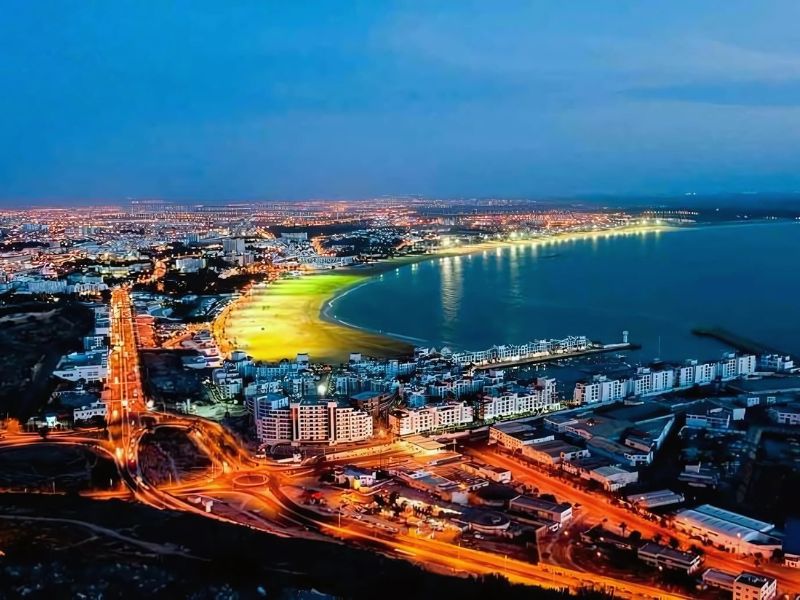
🌞Discover Agadir: A Gem on Morocco’s Atlantic Coast
Agadir, a vibrant coastal city in Morocco, combines natural beauty with urban amenities. Known for its stunning beaches, rich history, and Amazigh culture, it offers diverse activities like water sports, local cuisine, and cultural events. A great base for regional exploration, Agadir is ideal for relaxation and adventure year-round.
-
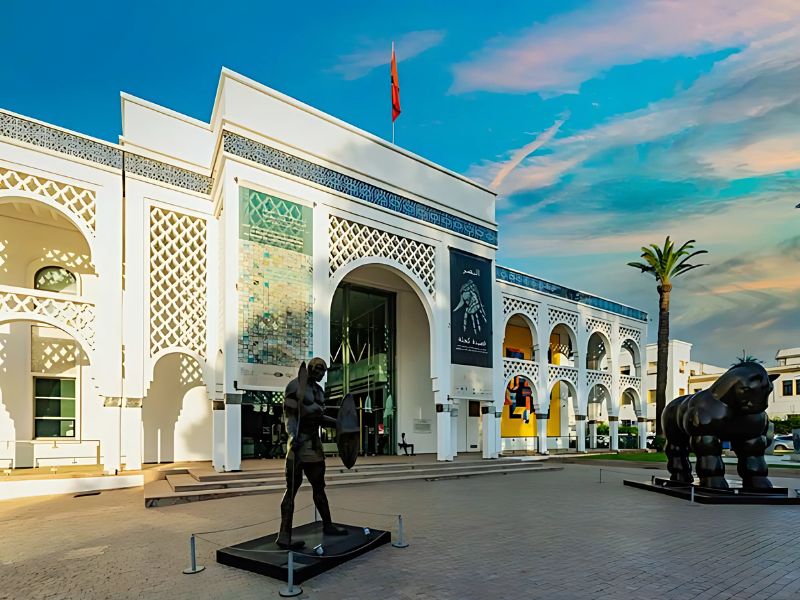
Exploring The Mohammed VI Museum in Rabat
The Mohammed VI Museum of Modern and Contemporary Art in Rabat, Morocco, established in 2014, promotes Moroccan art and culture. The modern architectural masterpiece houses nearly 400 works by notable Moroccan artists and hosts international exhibitions. It offers various visitor facilities and is a vital cultural destination for art enthusiasts.
-
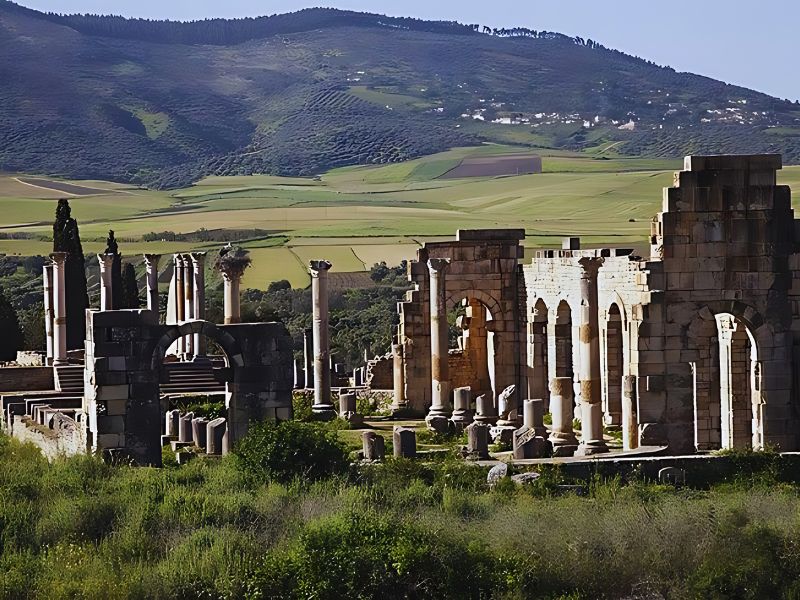
Discover Volubilis: A Journey Through Ancient Roman History
Volubilis, an ancient Roman city near Meknes, Morocco, showcases impressive ruins and a rich history dating back to the Phoenicians in the 3rd century BC. Known for its architecture and intricate mosaics, Volubilis blends Roman and Amazigh cultures. Today, it attracts tourists, offering insights into its historical and cultural significance.
-
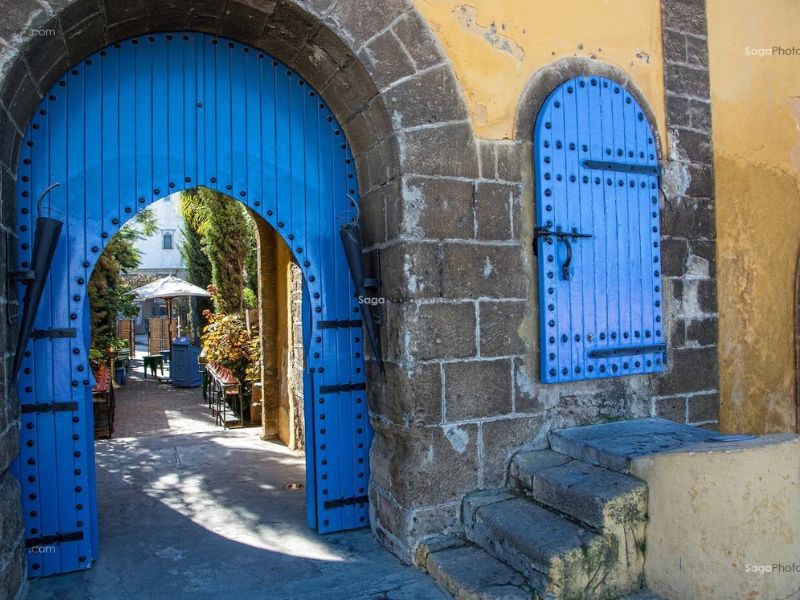
Explore the Historic Sqala: A Culinary Gem in Casablanca
The Sqala, an 18th-century fortress in Casablanca’s ancient Medina, has been restored into a restaurant and cafe. Originally built for defense, it showcases traditional Moroccan architecture with thick walls and intricate tile work. The establishment offers a unique dining experience featuring Moroccan dishes while highlighting cultural heritage and hospitality, attracting food enthusiasts and history lovers…
-
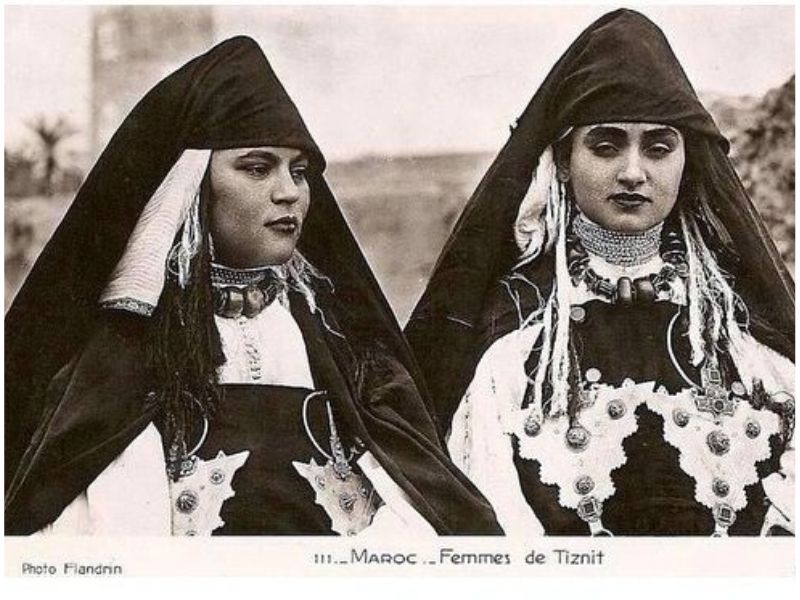
Exploring the Amazigh Fibula: Cultural Significance and Design
The Amazigh Fibula is a traditional Moroccan brooch holding significant cultural importance among the Amazigh community. Originating in the pre-Islamic era, it symbolizes identity, protection, beauty, and social status. Known for intricate designs, it plays a crucial role in preserving heritage and inspiring contemporary artisans while showcasing the community’s rich traditions.
-

Exploring Moroccan Spices and Herbs
Moroccan cuisine is distinguished by its rich array of spices and herbs, which enhance the depth and aroma of its dishes. The country’s location has historically made it a hub for spice trade, blending various cultural influences. Essential spices include cumin and coriander, while unique blends like Ras el hanout define its culinary identity.
-
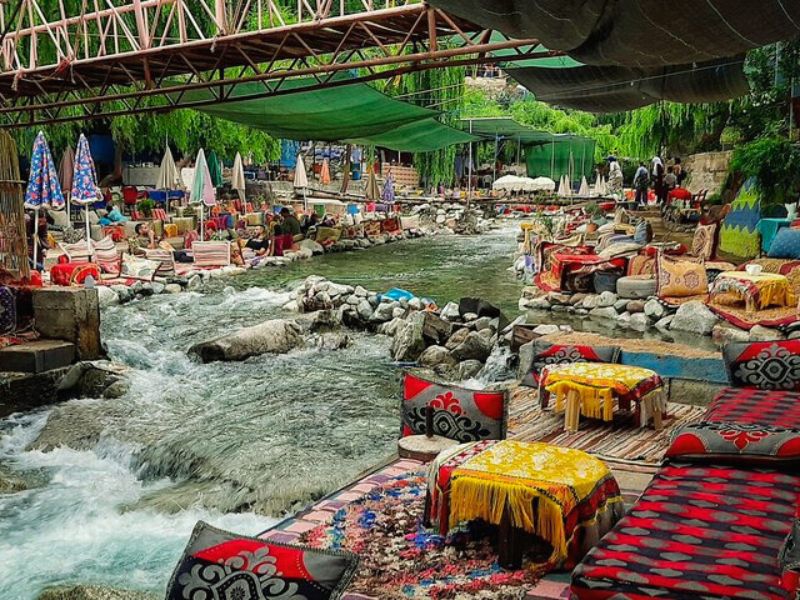
Explore the Stunning Ourika Valley: A Hidden Gem in Morocco
The Ourika Valley, located 40 kilometers south of Marrakesh, is a stunning destination in the Atlas Mountains. It offers vibrant nature, rich cultural heritage, and outdoor adventures like hiking and horseback riding. With its traditional Amazigh villages, waterfalls, and unique cuisine, it is a must-visit for any traveler to Morocco.
