
Tag: unveilingmorocco
-
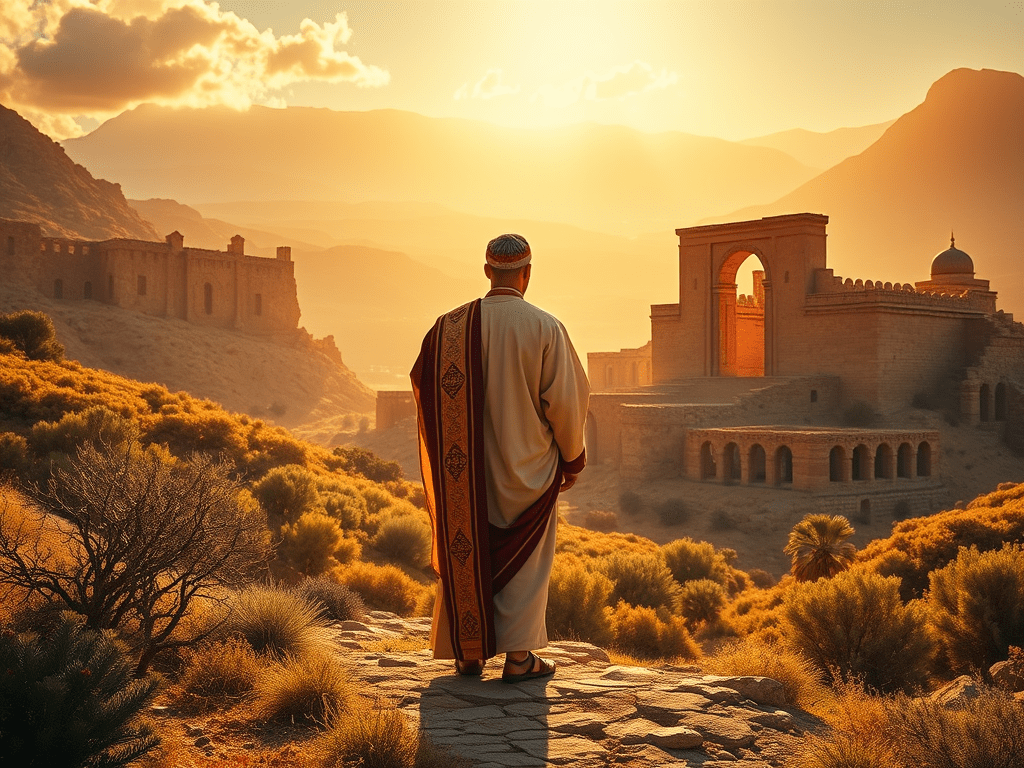
Idrissid Dynasty: The Birth of Modern Morocco
The Idrissid dynasty emerged in the late 8th century, marking Morocco’s foundation as an independent Islamic state. Led by Idriss ibn Abdallah, it unified Berber tribes and established the city of Fez, fostering a unique Arab-Berber culture. Their legacy shaped Morocco’s political autonomy, Islamic identity, and cultural richness for centuries.
-

Discover Tafraout: A Hidden Gem in Morocco’s Anti-Atlas Mountains
Tafraout, in Morocco’s Anti-Atlas Mountains, is a serene town known for its stunning pink granite landscape and rich Berber culture. Located 160 kilometers southeast of Agadir, it offers hiking, cultural experiences, and tranquility, making it a perfect escape for those seeking authentic Moroccan beauty and heritage away from mass tourism.
-

Top 10 Must-Experience Things for Your First Visit to Marrakech
Marrakech, known as the “Red City,” is a vibrant mix of colors, sounds, and aromas. Highlights include the lively Jemaa el-Fnaa square, intricate souks, tranquil Jardin Majorelle, and opulent Bahia Palace. Visitors can enjoy traditional hammams, Moroccan cuisine, and desert experiences in the Palmeraie. Each location offers a unique glimpse into Moroccan culture and history.
-
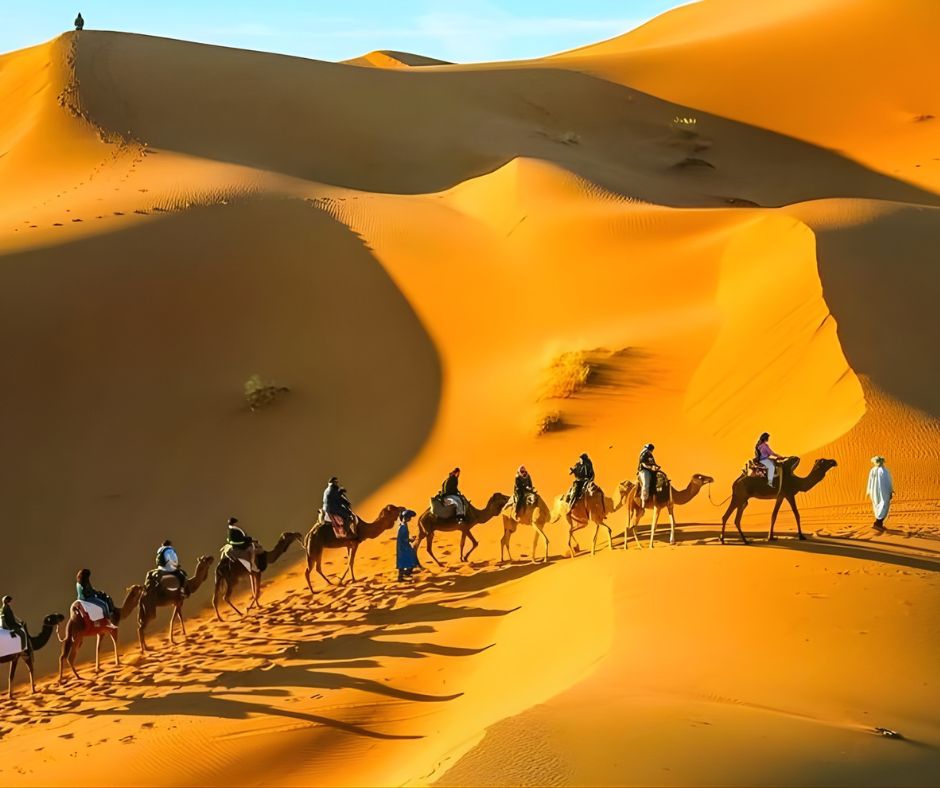
🏜️ Discover Merzouga: Your Gateway to the Sahara
Journey to Merzouga and the towering dunes of Erg Chebbi. From camel treks at sunset to nights in Berber camps, discover why this is Morocco’s ultimate desert experience.
-

Discover Fint Oasis: Morocco’s Hidden Gem
Fint Oasis, located near Ouarzazate, is an enchanting escape featuring lush greenery and traditional Berber village life. Sustained by a hidden spring, it supports date palms, fig, and olive trees through sustainable agriculture. Visitors experience warm hospitality, cultural exchanges, and opportunities for hiking and photography, making it a must-visit destination.
-

Explore Taourirt Kasbah: Ouarzazate’s Historical Marvel
Ouarzazate’s Kasbah Taourirt stands as a historical and architectural marvel, embodying the legacy of the powerful Glaoui family. Visitors can explore its vast, intricately designed spaces that reflect both wealth and daily life, while ongoing restorations preserve its rich heritage. Experiencing Taourirt is essential for understanding Morocco’s majestic past.
-

The Magic of Ait Benhaddou: A Must-Visit Moroccan Landmark
Ait Benhaddou, a UNESCO World Heritage site in Morocco, is a stunning fortified village renowned for its breathtaking architecture and rich history along ancient trade routes. Famous for its cinematic appearances, it features labyrinthine alleys and communal granaries. Visitors experience a timeless journey, connecting with its vibrant culture and striking landscapes.
-
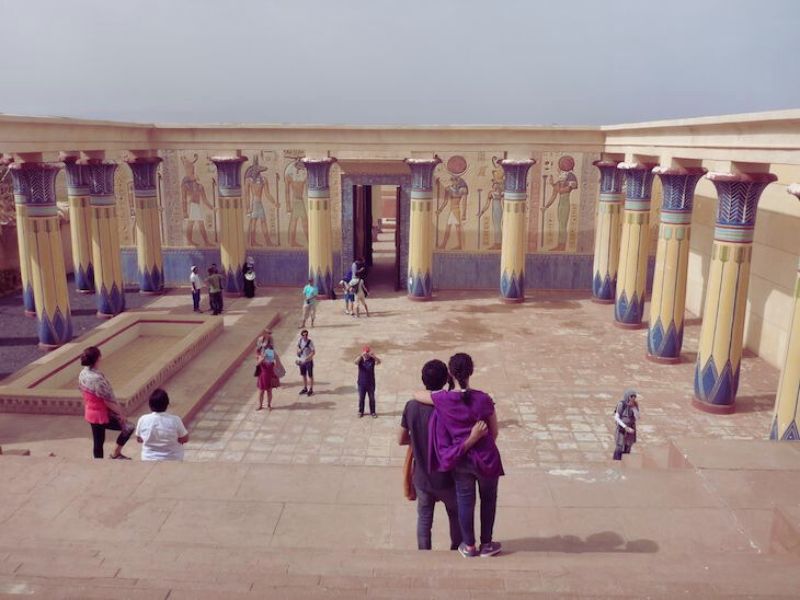
Discover Ouarzazate: Morocco’s Hollywood and Desert Gateway
Ouarzazate, known as the “Hollywood of Africa,” is a captivating city in Morocco that merges rich heritage with cinematic charm. Nestled by the Atlas Mountains, it features remarkable attractions like the Kasbah Taourirt, Atlas Film Studios, and the UNESCO site Ait Benhaddou. Ouarzazate serves as a gateway to southern Morocco’s desert landscapes and adventures.
-
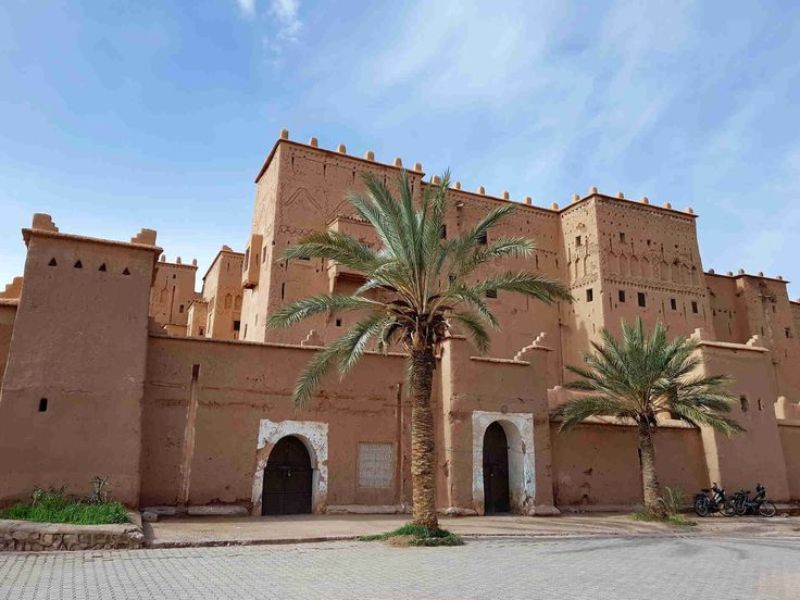
Exploring the Majestic Kasbahs of Morocco
The Moroccan Kasbah represents a rich cultural heritage, showcasing ancient architecture within fortified complexes. Serving as residences, administrative centers, and storage, Kasbahs reflect Morocco’s historical significance along vital trade routes. While many remain inhabited or transformed into guesthouses, efforts to preserve these structures are essential for future generations to appreciate their unique artistry and history.
-
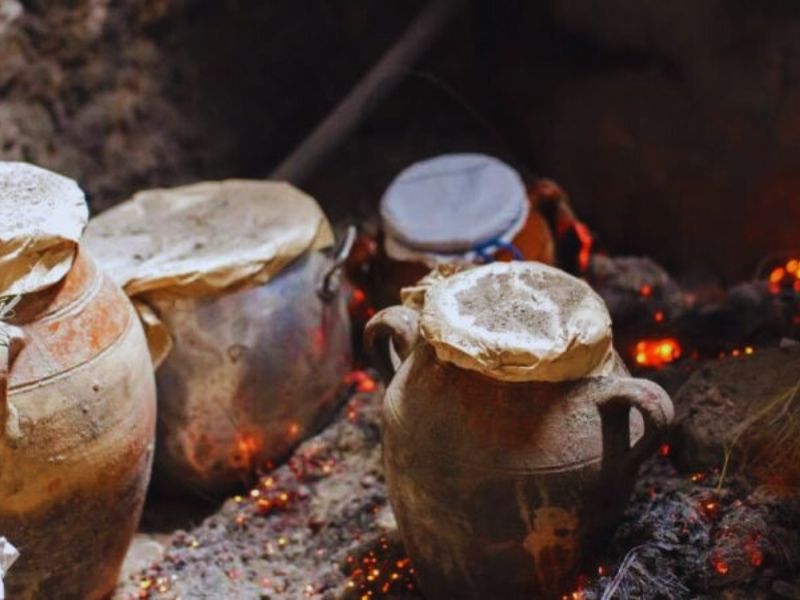
Explore the Essence of Tanjia: Marrakesh’s Culinary Signature
In Marrakesh, the traditional Tanjia dish showcases the city’s rich culinary heritage. Made with slow-cooked lamb or beef in a unique earthenware urn, it employs communal cooking methods. The use of preserved lemon, garlic, and cumin creates unforgettable flavors, making Tanjia a heartfelt meal meant for sharing among friends, embodying Marrakchi culture.
