
Tag: unveilingmorocco
-

🐪 Trans-Saharan Trade Route: History of the Golden Road
The Sahara Desert served as a vital trade route known as the Trans-Saharan Trade Route, connecting West Africa’s gold and salt to North Africa and the Mediterranean from the 8th to 14th centuries. The decline began in the 15th century due to European maritime exploration, yet its legacy remains in cultural exchange and Moroccan heritage.
-

⏳Sijilmasa Ruins: The Golden Heart of Trans-Saharan Trade
Sijilmasa, a historic medieval city in North Africa, was once a key hub for trans-Saharan trade, connecting gold and salt resources. Founded by the Miknasa Berbers in the 8th century, it thrived as a center of commerce and learning. Today, its expansive ruins near Rissani offer a glimpse into Morocco’s rich heritage.
-

🧭 Explore M’hamid El Ghizlane: Gateway to the Sahara
M’hamid El Ghizlane, known as “Plain of the Gazelles,” is a small Moroccan oasis town at the end of the Drâa Valley, serving as a gateway to the isolated Erg Chigaga dunes. Rich in nomadic culture and historical significance, it hosts the Taragalte Festival, attracting travelers seeking authentic desert adventures and experiences.
-

🐪Exploring Rissani: A Gateway to Morocco’s Alawite History
Explore Rissani, the historic cradle of Morocco’s Alaouite Dynasty. Discover the ancient Sijilmassa ruins, the vibrant souk, and try the local Madfouna (Berber Pizza).
-
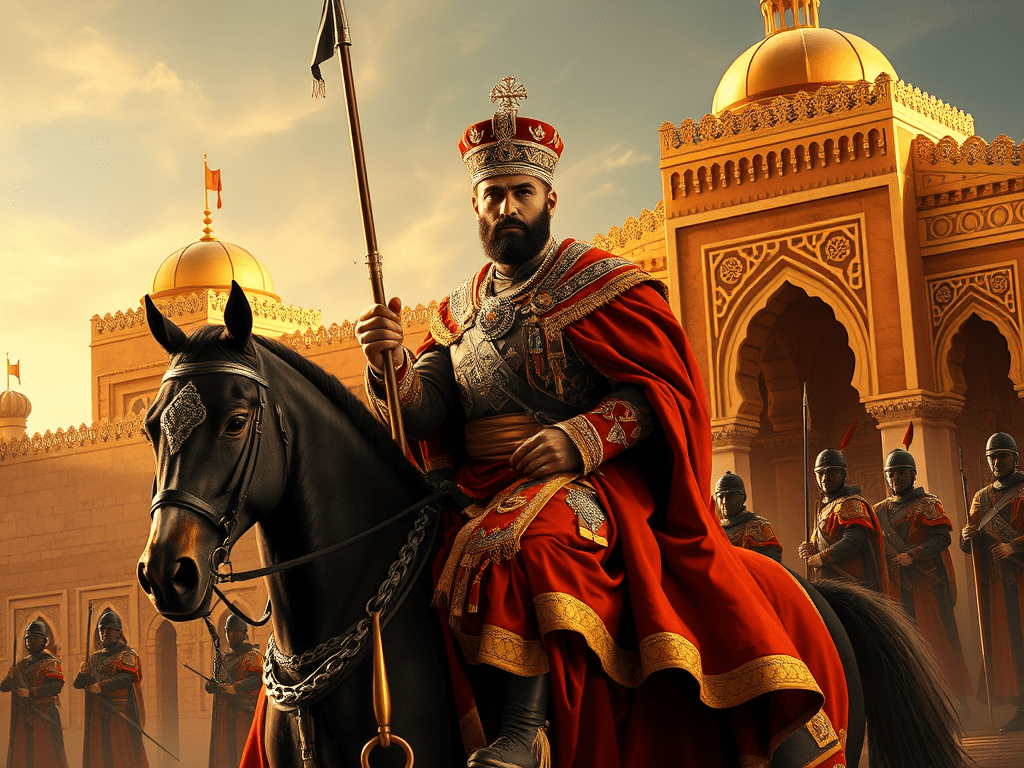
👑 Moulay Ismail: The Iron Sultan and Architect of Modern Morocco
Discover Sultan Moulay Ismail (1672–1727), the ‘Warrior King’ who built Meknes, established the Black Guard, and solidified the Alaouite Dynasty during his 55-year reign.
-
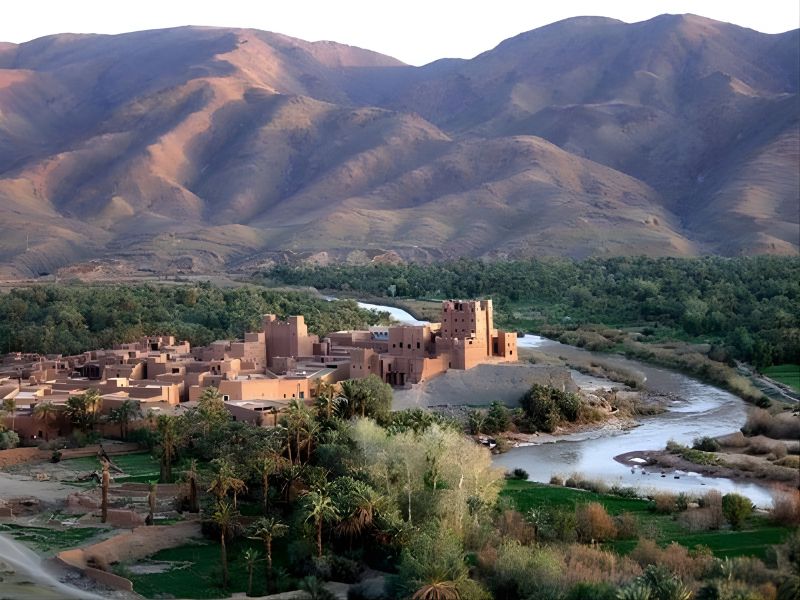
🌴 Tafilalt: The Oasis Cradle of Morocco’s Dynasties and Desert Gate
Tafilalt, located in southeastern Morocco, is a historical oasis known for its trade routes and as the birthplace of the Alawite Dynasty. Its strategic importance and rich history draw tourists to attractions like the ruins of Sijilmasa and Erg Chebbi’s golden dunes, blending tradition with modernity amidst stunning landscapes.
-
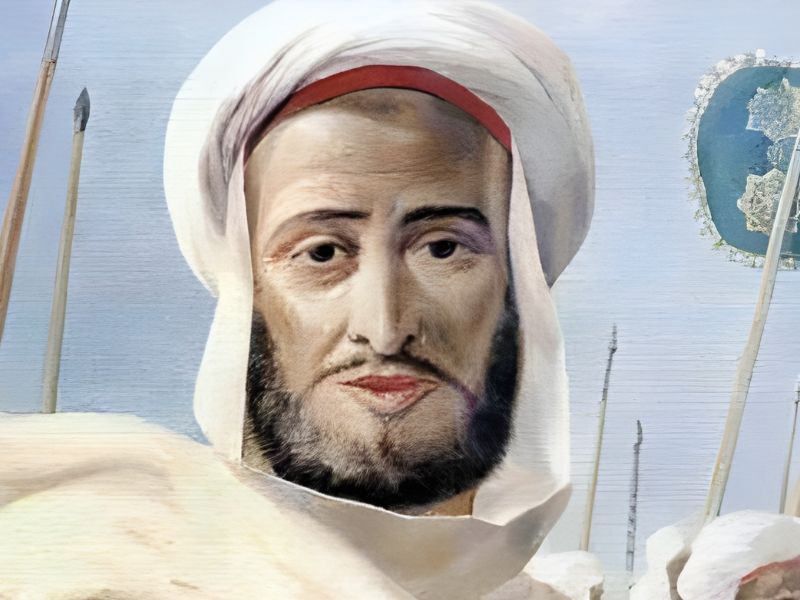
⚔️ Moulay Ali Cherif: The Silent Architect of Morocco’s Alawite Dynasty
During the mid-17th century, Morocco faced fragmentation and instability after the Saadian Dynasty’s decline. Moulay Ali Cherif emerged as a pivotal leader, leveraging his Sharifian lineage to unite disparate tribes in the Tafilalt region. His groundwork allowed future Alawite rulers to establish a strong centralized state, laying the foundation for their enduring dynasty.
-

Laâyoune: Morocco’s Cultural and Economic Hub
Laâyoune, a modern metropolis in Morocco’s Southern Provinces, serves as an economic hub and cultural cornerstone of Hassani identity. Founded by Spanish colonial authorities, it has transformed post-1975 into a key strategic city, vital for phosphate exports and renewable energy. With growing diplomatic importance, Laâyoune symbolizes Morocco’s vision for African integration and development.
-

💙 Unveiling Hassani Culture in the Moroccan Sahara
The Moroccan Sahara embodies the rich cultural landscape of the Sahrawi people, highlighting their Hassani culture defined by traditions, hospitality, and resilience. Central to this identity is the Hassaniya language and a strong poetic heritage. Key elements like hospitality rituals, distinctive clothing, and simple cuisine reflect their adaptability to desert life.
-

🕊️ The Green March (1975): The Peaceful Epic That Changed Morocco’s History
The Green March, commemorated on November 6, signifies Morocco’s peaceful recovery of its Southern Provinces in 1975. Initiated by King Hassan II, this historic event saw 350,000 volunteers march with national symbols, achieving territorial integrity through non-violence. It remains a cornerstone of Moroccan identity and development initiatives today.
