
Tag: unveilingmorocco
-
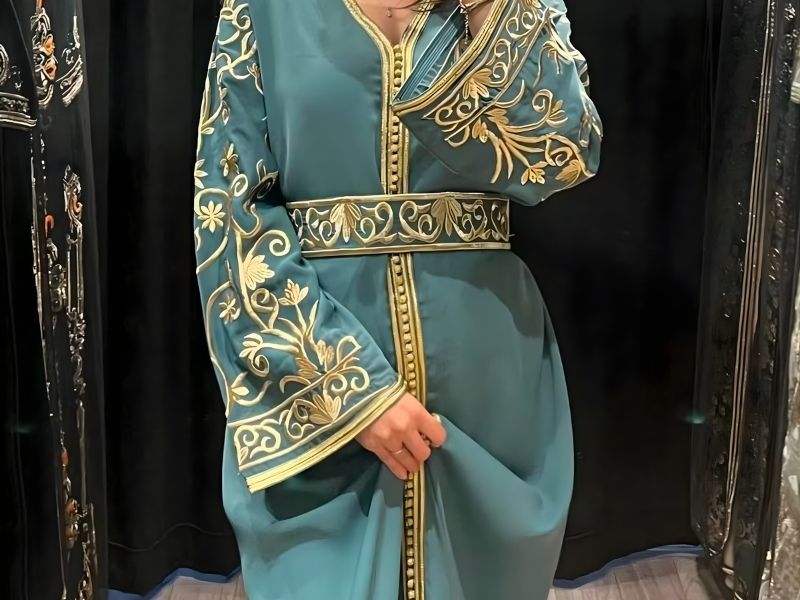
🎉UNESCO Recognizes Moroccan Caftan as Cultural Heritage
The Moroccan Caftan is now UNESCO World Heritage (Dec 10, 2025)! Celebrate the history, craftsmanship, and cultural significance of Morocco’s iconic garment.
-

🏔️ Atlas Mountains: Toubkal Trekking & Amazigh Village Guide
Explore the Atlas Mountains: hike Jbel Toubkal from Imlil, discover Ourika Valley, and experience life in authentic Amazigh villages. Essential trekking guide.
-
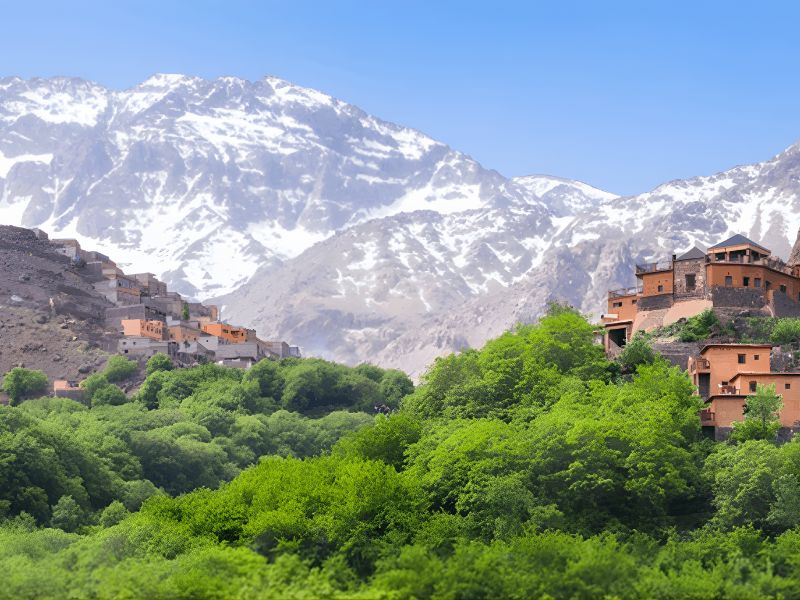
🌍 Atlas Mountains: High, Middle & Anti-Atlas Ranges Guide
Your complete guide to Morocco’s Atlas Mountains. Compare the trekking of the High Atlas with the cedar forests of the Middle and the ancient rocks of the Anti-Atlas.
-

🥿 Moroccan Babouche: History, Leather Slippers & Fez Craft
Explore the history and styles of the authentic Moroccan Babouche for men & women. Learn about traditional Fez leather craftsmanship and how to shop authentic slippers.
-
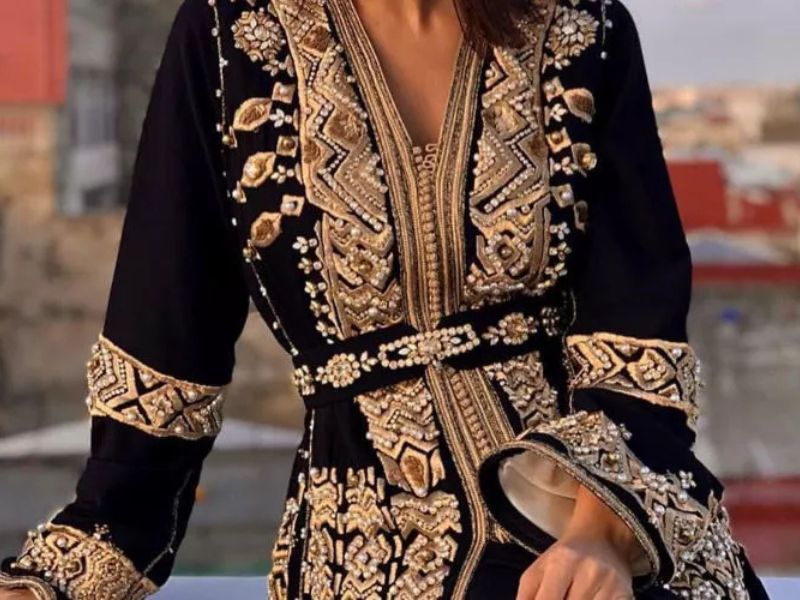
👑 Moroccan Caftan: History, Takchita & Royal Wedding Attire
Discover the history and luxury of the Moroccan Caftan and Takchita. Learn about the rich embroidery, fabrics, and its crucial role in Moroccan weddings and ceremonies.
-

👑 Moroccan Djellaba: Culture, Craft & Timeless Moroccan Fashion
Explore the history, styles, and cultural significance of the Moroccan Djellaba for men & women. Discover the role of embroidery in this iconic garment and its place in Moroccan life.
-
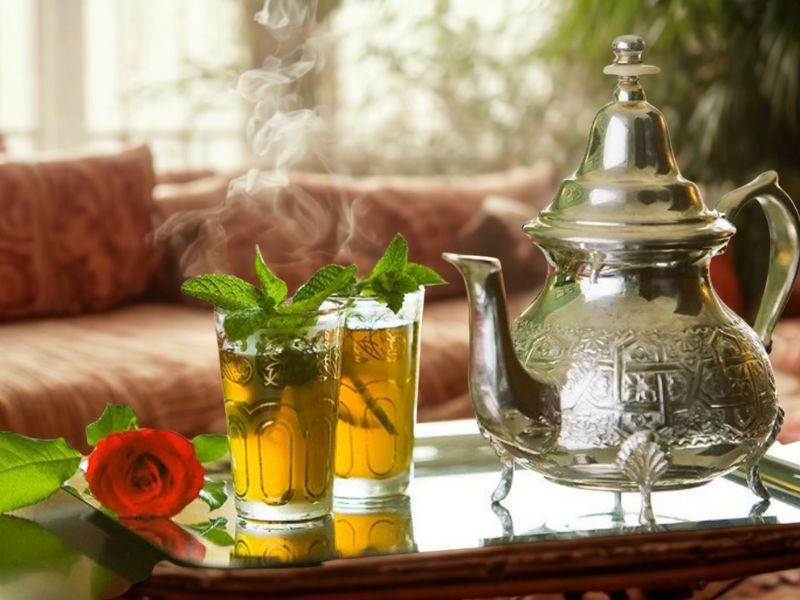
🍵Moroccan Silver Teapots & Jeweled Tea Glasses (Berrad)
Discover the artistry of Moroccan teaware! Explore the history of the silver Berrad teapot and the jeweled tea glasses, true symbols of Moroccan hospitality and artisan craft.
-

✨ Zellige Tilework: Morocco’s Iconic Art of Islamic Geometry
Explore the history and meticulous craftsmanship of Zellige, Morocco’s stunning geometric mosaic tilework. Learn about the master artisans of Fez and the art’s symbolism.
-
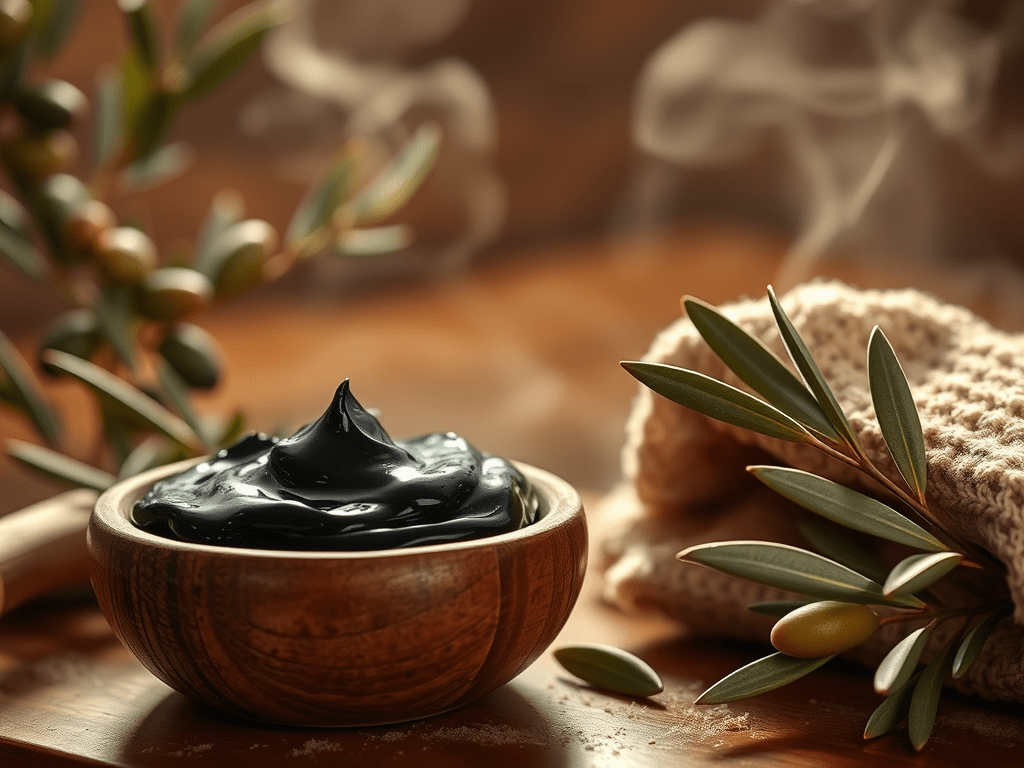
🛁 Moroccan Black Soap (Savon Beldi): Hammam Skin Secret
Unlock radiant skin with Moroccan Black Soap! Learn the authentic Hammam ritual using Savon Beldi and the Kessa glove for deep exfoliation and natural skincare benefits.
-

🌿 Moroccan Henna: Beauty, Culture, & Natural Cosmetic Benefits
Discover the magic of Moroccan Henna! Explore its natural benefits for hair and skin, its vital role in wedding traditions, and its deep cultural symbolism.
