
Tag: unveilingmorocco
-

Discover Taroudant: Morocco’s Hidden Gem
Taroudant, known as “Little Marrakesh,” offers an authentic glimpse into traditional Berber culture with its ochre walls and relaxed atmosphere. Rich in history, it features ancient ramparts and vibrant souks showcasing local crafts. As a gateway to the scenic Souss Valley, Taroudant invites travelers seeking a genuine Moroccan experience.
-

Discover the Allure of Moroccan Leather Goods
Moroccan leather products are a representation of the country’s rich heritage and artisanal skill. From babouche slippers to intricately designed poufs, each item showcases unique craftsmanship and natural materials. The traditional tanning methods create exceptional quality leather, enchanting travelers and style enthusiasts alike while preserving cultural heritage through these unique treasures.
-

Explore the Enchanting Medersa al-Attarine in Fez
The Medersa al-Attarine, a 14th-century Islamic school in Fez, exemplifies Marinid architecture and artistic craftsmanship. With intricate tilework, cedarwood carvings, and serene courtyards, it offers insight into Morocco’s intellectual history. Its proximity to the spice souk enhances the experience, blending beauty, learning, and vibrant cultural life.
-
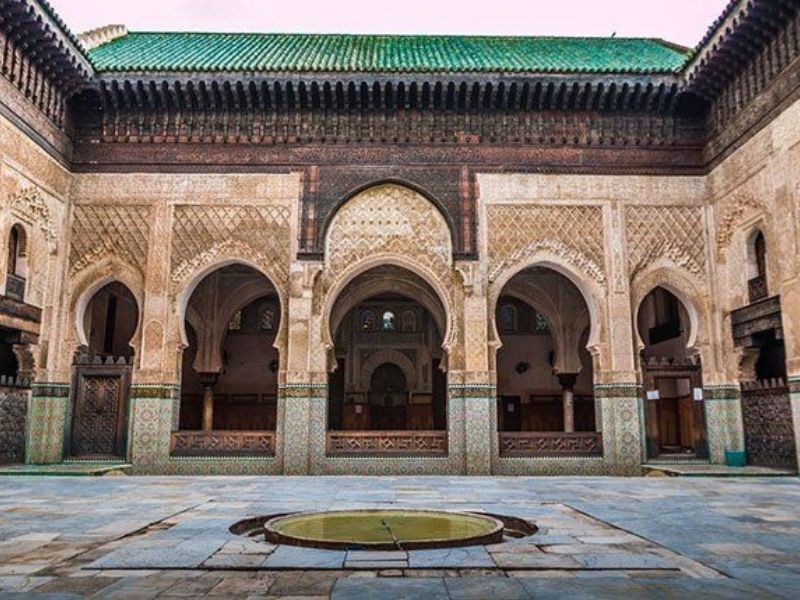
🏫Discover the Medersa Bou Inania: A Jewel in Fez’s Medina
The Medersa Bou Inania, built between 1350 and 1355 by Sultan Abu Inan Faris in Fez, exemplifies Marinid architecture. It serves as a historic Islamic school with intricate Zellij tilework, cedarwood carvings, and stucco details. Accessible to non-Muslims, it highlights Fez’s cultural legacy and the importance of education. Visitors experience its beauty and connection to…
-

🏛️ Exploring Al-Qarawiyyin: The Oldest University in the World
Discover the Al-Qarawiyyin Mosque & University in Fez. Founded in 859 AD by Fatima al-Fihri, explore the history and architecture of the world’s oldest university.
-
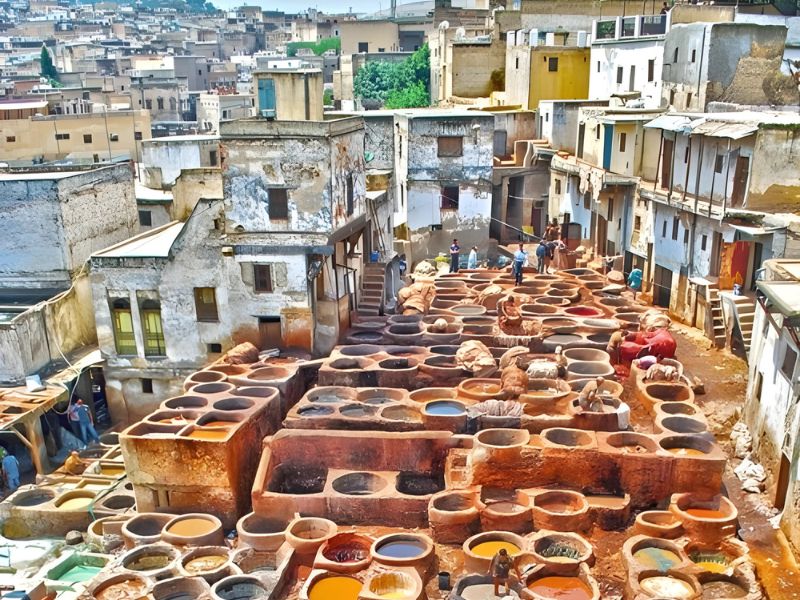
Discover Fez: A Journey Through Morocco’s Rich History
Fez, Morocco’s oldest imperial city, invites travelers to experience its rich history and vibrant culture. Founded in the 8th century, it rose as a key religious and intellectual hub, notable for its UNESCO-listed Medina, diverse souks, and historical sites like Al-Qarawiyyin Mosque. With its enchanting labyrinthine streets and unique crafts, Fez remains a treasure trove…
-

Explore the Unique Agafay Desert Near Marrakesh
The Agafay Desert, located near Marrakesh, offers a unique landscape of rolling ochre hills instead of traditional sand dunes. This serene environment features resilient flora, breathtaking sunrises, and sunsets. Visitors can enjoy camel treks, quad biking, stargazing, and authentic Amazigh experiences, making Agafay a captivating alternative to the vibrant chaos of Marrakesh.
-
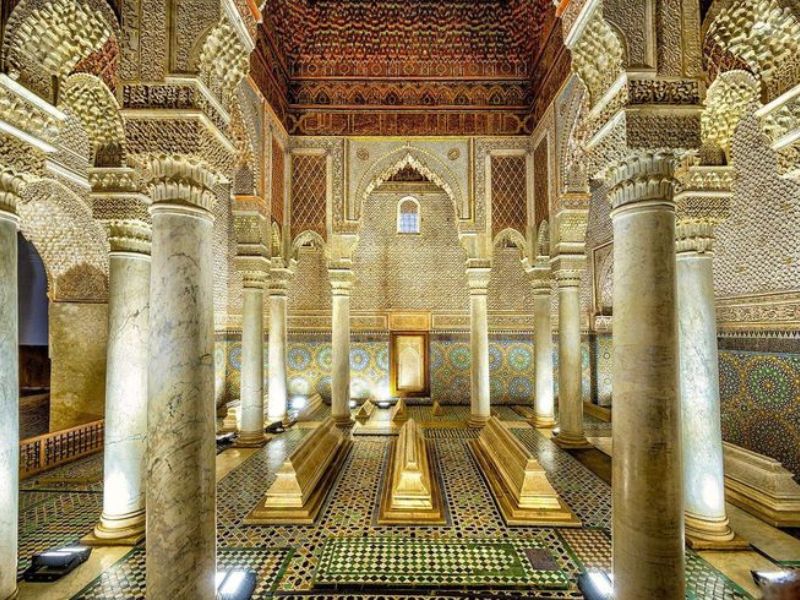
Discover the Saadian Tombs: Marrakesh’s Hidden Gem
Marrakesh is rich in history, notably through the Saadian Tombs, which provide a glimpse into the influential Saadian Dynasty. This era, marked by significant cultural and architectural achievements, emerged in the 16th century, culminating in exquisite mausoleums. Rediscovered in 1917, these tombs now serve as a serene testament to Morocco’s vibrant past.
-

🫖Discover the Story Behind Moroccan Mint Tea
Moroccan mint tea, known as “Atay,” symbolizes hospitality and cultural significance in Morocco, introduced in the 18th century through trade. Initially met with resistance, it became cherished through the addition of sugar and mint. The art of serving Atay fosters connection, making it an essential element of social gatherings and identity.
-

Discover Tiznit: Morocco’s Hidden Gem
Tiznit, located in Morocco’s Souss-Massa region, is a city rich in history, founded in 1882 by Sultan Moulay Hassan I. Known for its silver jewelry and unique blend of cultures, Tiznit features a historic medina, grand mosque, and nearby beaches. Its natural beauty and authentic Moroccan experience make it an ideal destination.
