
Tag: The Alawite Dynasty
-

🐪 Trans-Saharan Trade Route: History of the Golden Road
The Sahara Desert served as a vital trade route known as the Trans-Saharan Trade Route, connecting West Africa’s gold and salt to North Africa and the Mediterranean from the 8th to 14th centuries. The decline began in the 15th century due to European maritime exploration, yet its legacy remains in cultural exchange and Moroccan heritage.
-

⏳Sijilmasa Ruins: The Golden Heart of Trans-Saharan Trade
Sijilmasa, a historic medieval city in North Africa, was once a key hub for trans-Saharan trade, connecting gold and salt resources. Founded by the Miknasa Berbers in the 8th century, it thrived as a center of commerce and learning. Today, its expansive ruins near Rissani offer a glimpse into Morocco’s rich heritage.
-
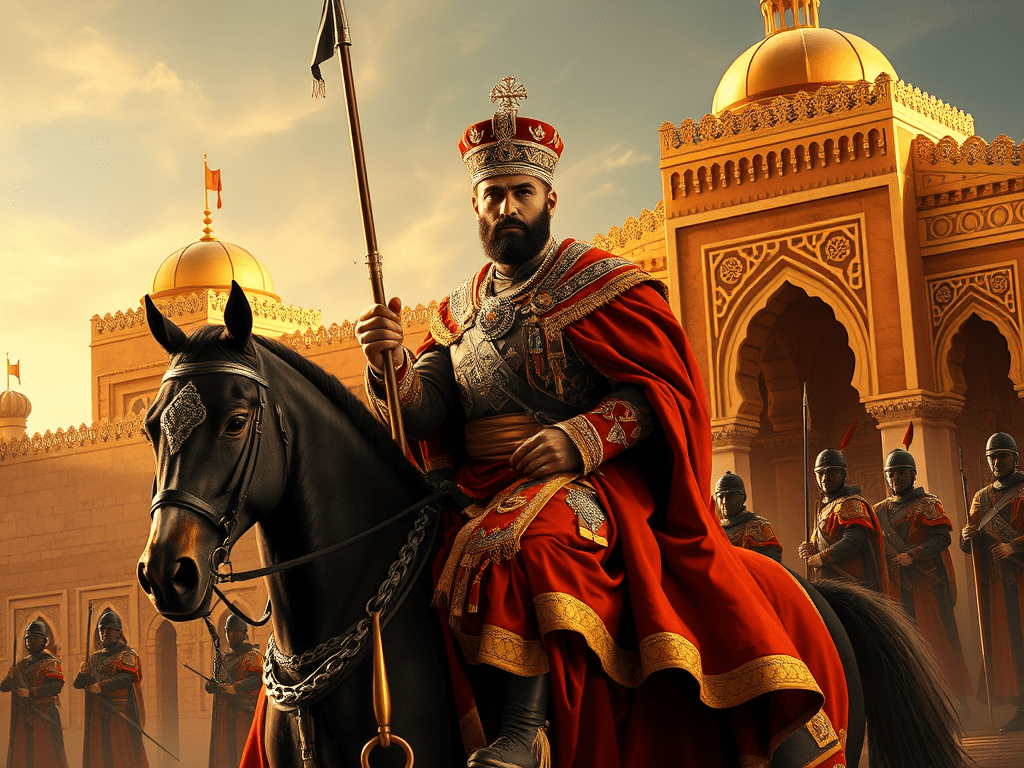
👑 Moulay Ismail: The Iron Sultan and Architect of Modern Morocco
Discover Sultan Moulay Ismail (1672–1727), the ‘Warrior King’ who built Meknes, established the Black Guard, and solidified the Alaouite Dynasty during his 55-year reign.
-
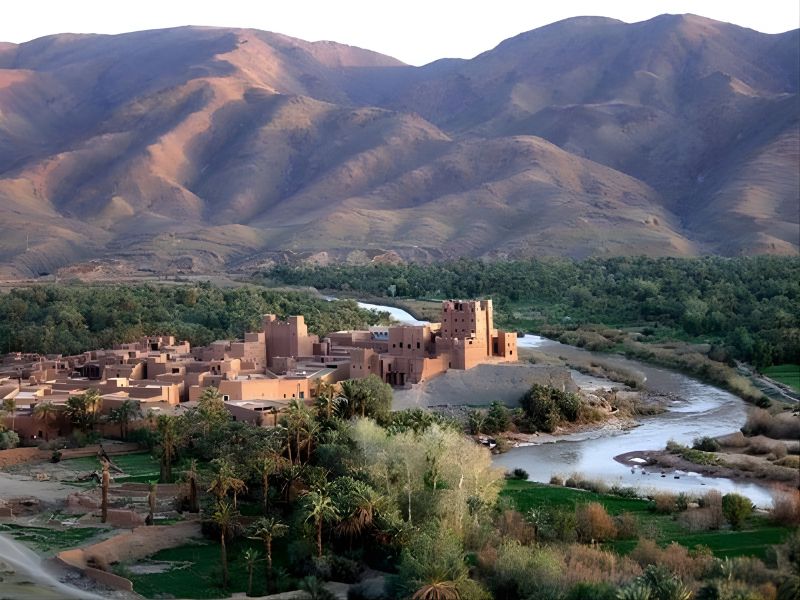
🌴 Tafilalt: The Oasis Cradle of Morocco’s Dynasties and Desert Gate
Tafilalt, located in southeastern Morocco, is a historical oasis known for its trade routes and as the birthplace of the Alawite Dynasty. Its strategic importance and rich history draw tourists to attractions like the ruins of Sijilmasa and Erg Chebbi’s golden dunes, blending tradition with modernity amidst stunning landscapes.
-
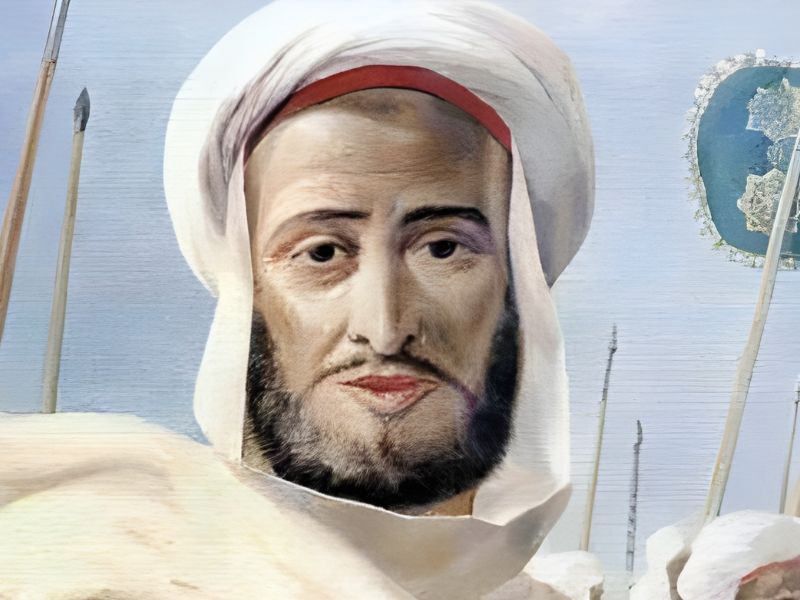
⚔️ Moulay Ali Cherif: The Silent Architect of Morocco’s Alawite Dynasty
During the mid-17th century, Morocco faced fragmentation and instability after the Saadian Dynasty’s decline. Moulay Ali Cherif emerged as a pivotal leader, leveraging his Sharifian lineage to unite disparate tribes in the Tafilalt region. His groundwork allowed future Alawite rulers to establish a strong centralized state, laying the foundation for their enduring dynasty.
-

The Alawite Dynasty: A Legacy of Moroccan Unity
The Alawite Dynasty has governed Morocco for over 350 years, shaping its identity and stability. Tracing their roots to the Tafilalt region, they became a unifying force amidst challenges from colonial powers. Each monarch, from Mohammed V to the present King Mohammed VI, has modernized and preserved Morocco’s rich heritage while embodying its spiritual and…
-

Discover Meknes: Morocco’s Hidden Gem
Meknes, often overlooked, is a UNESCO World Heritage site in Morocco with a rich history dating back to the 11th century. Under Sultan Moulay Ismail’s rule, it thrived as an imperial capital. Visitors can enjoy its warm culture, impressive architecture, traditional markets, and nearby historical landmarks, all with fewer crowds than larger cities.
