
Tag: Tetouan
-
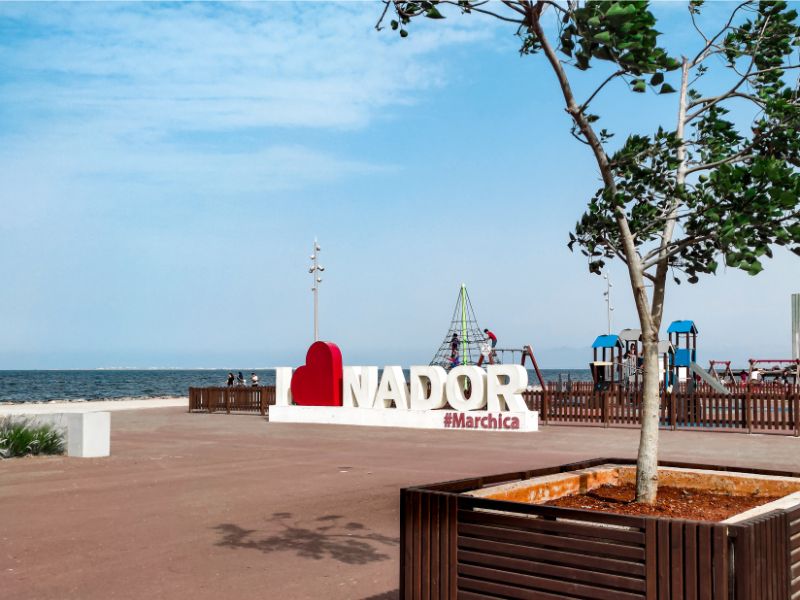
Explore Nador: Morocco’s Hidden Gem by the Lagoon
Nador, located in northeastern Morocco by the Mar Chica lagoon, offers an authentic Moroccan experience away from tourist crowds. This vibrant port city features stunning natural attractions, including the lagoon, Mediterranean coastline, and Gourougou Mountain. Visitors can enjoy water sports, local culture, fresh seafood, and tranquility, uncovering Nador’s unique charm.
-
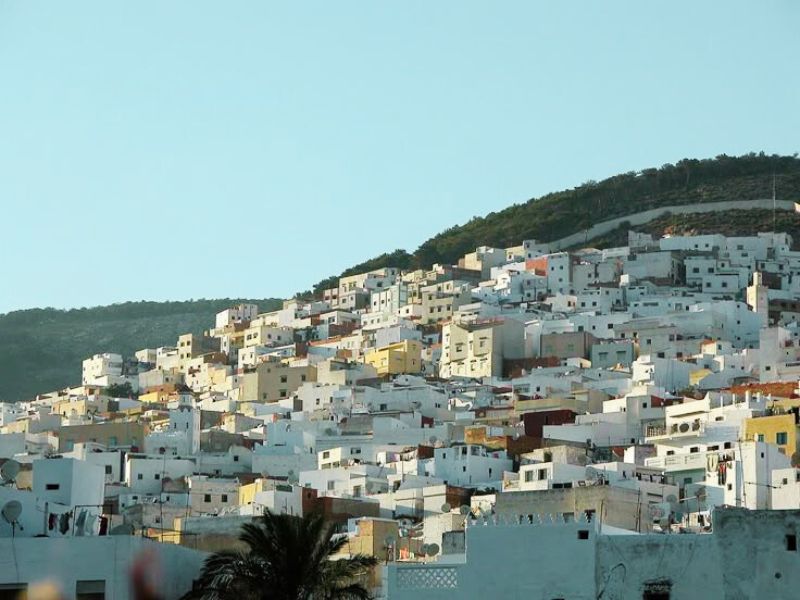
Tetouan’s Medina: Unveiling Authentic Moroccan Heritage
Tetouan’s ancient medina, a UNESCO World Heritage site, offers an intimate glimpse into Morocco’s past, shaped by Andalusian refugees. Its whitewashed buildings, historical gates, and vibrant souks create a unique atmosphere. Deeply rooted in culture, the medina invites exploration, revealing hidden gems and fostering a lively community spirit, making it a must-visit.
-
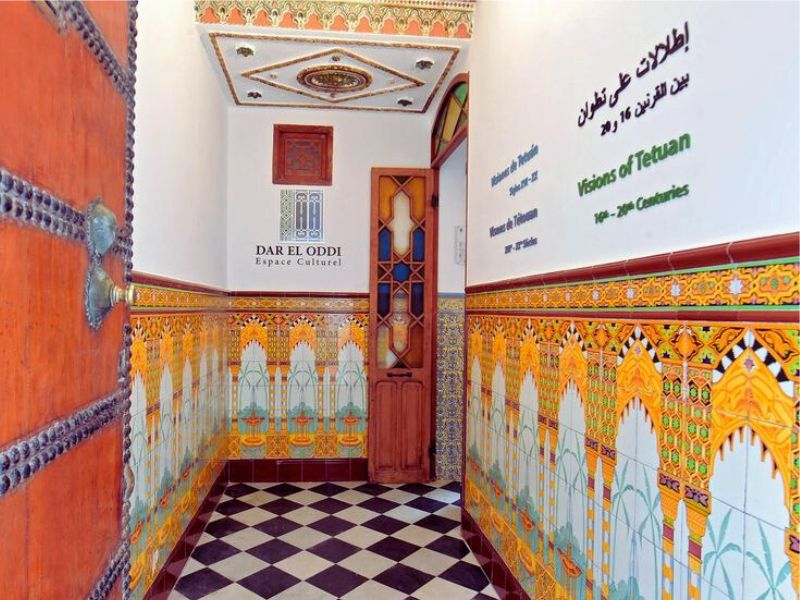
Discover Tetouan’s Ethnographic Museum: A Cultural Treasure
The Ethnographic Museum of Tetouan, also known as Dar El-Oddi, offers an intimate glimpse into the daily lives and traditions of Tetouanis through its rich collection. Housed in a beautifully preserved traditional home, the museum features traditional costumes, artisan tools, and household scenes, showcasing the region’s vibrant culture and heritage.
-

Explore Tetouan’s Archaeological Museum: A Historical Gem
The Archaeological Museum of Tetouan, inaugurated in 1940, is crucial for understanding Morocco’s ancient history. It houses artifacts from prehistoric, Phoenician, Roman, and early Islamic periods, illuminating the region’s cultural evolution. Offering a serene escape from the bustling medina, the museum enriches visitors’ appreciation of Tetouan’s heritage and its historical significance.
-

Tetouan: A Blend of Andalusian and Moroccan Culture
Tetouan, known as “The White Dove,” boasts a rich Andalusian heritage reflected in its architecture, culture, and cuisine. Established in the 15th century by Andalusian refugees, it offers a blend of Moroccan and Spanish influences. Visitors can explore its serene medina, vibrant art scene, and nearby stunning beaches, making it a unique Moroccan destination.
-
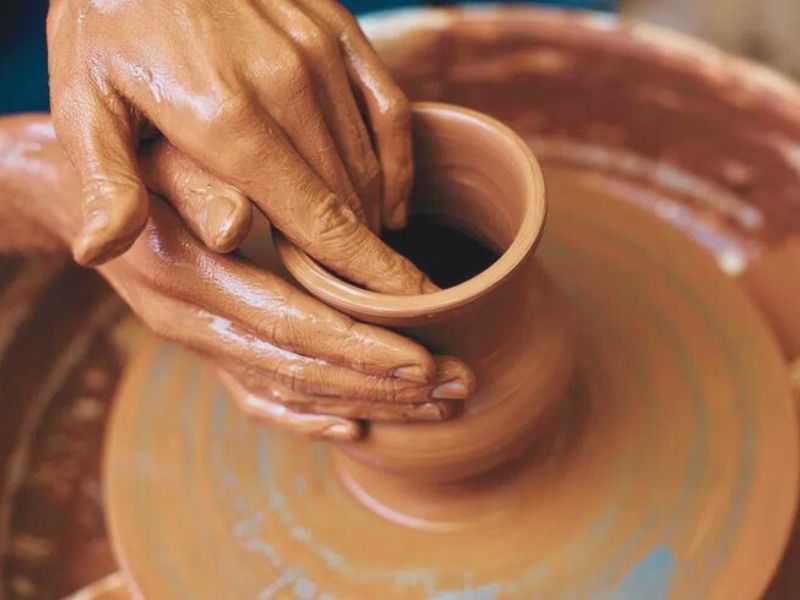
Exploring the Art of Moroccan Pottery
Moroccan pottery, with roots tracing back millennia, is a vibrant expression of culture and craftsmanship. Major centers like Fez, Safi, and Tetouan showcase unique styles and techniques. The meticulous creation process transforms local clay into functional art, reflecting centuries of history and serving both practical and aesthetic purposes in daily life.
-

🧵Tetouan’s Hidden Treasure: Traditional Embroidery
Embroidery in Tetouan has deep historical roots, shaped by Andalusian expatriates and influences from Balkan and Oriental traditions. Unique styles like “Taajira” showcase Moorish designs. Traditional techniques use silk and gold threads on finely crafted textiles. Master artisans continue to transmit skills at cultural centers like Dar Sanaa, focusing on women’s empowerment.
