
Tag: Must-see
-

Discover El Jadida: A Hidden Gem of Morocco
El Jadida, a coastal city in Morocco, blends historical intrigue with a relaxed seaside atmosphere. Known for its UNESCO World Heritage-listed Portuguese City (Cité Portugaise), El Jadida showcases Renaissance architecture, charming streets, and beautiful beaches. Visitors can explore fascinating sites like the Cistern while enjoying fresh seafood and stunning ocean views.
-
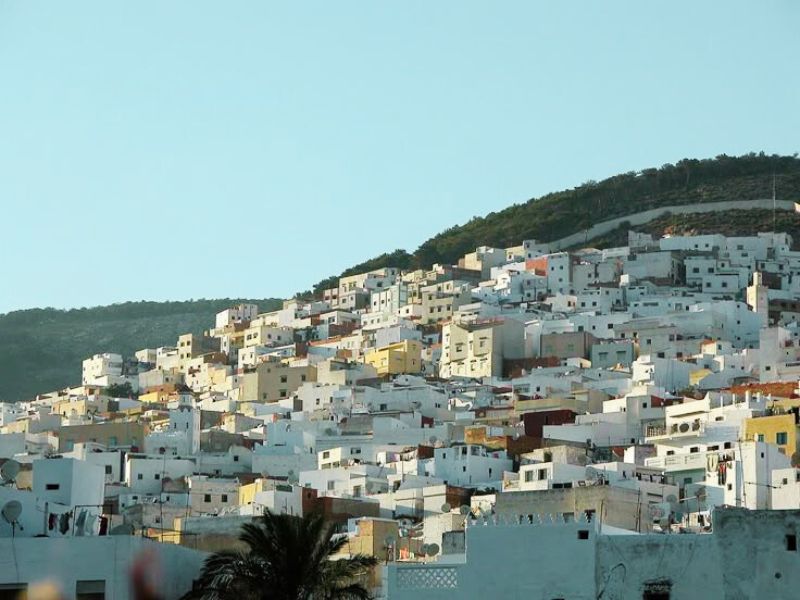
Tetouan’s Medina: Unveiling Authentic Moroccan Heritage
Tetouan’s ancient medina, a UNESCO World Heritage site, offers an intimate glimpse into Morocco’s past, shaped by Andalusian refugees. Its whitewashed buildings, historical gates, and vibrant souks create a unique atmosphere. Deeply rooted in culture, the medina invites exploration, revealing hidden gems and fostering a lively community spirit, making it a must-visit.
-
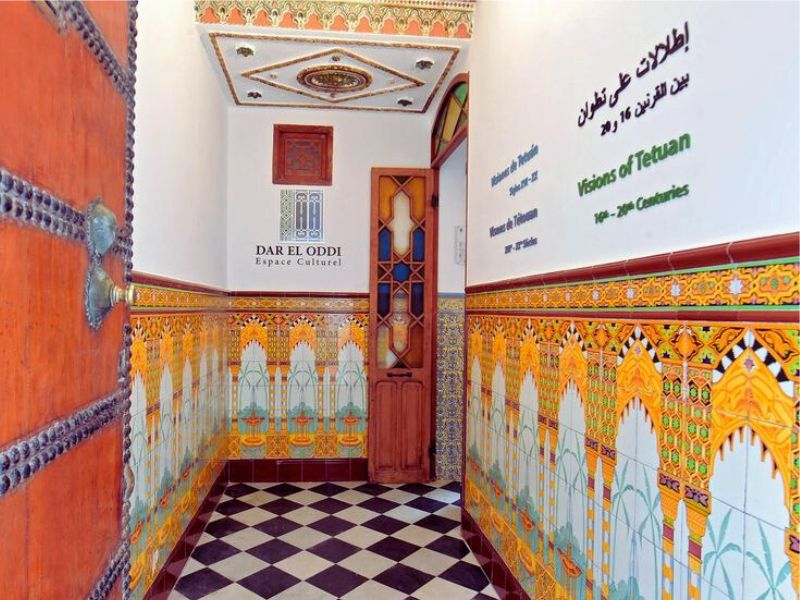
Discover Tetouan’s Ethnographic Museum: A Cultural Treasure
The Ethnographic Museum of Tetouan, also known as Dar El-Oddi, offers an intimate glimpse into the daily lives and traditions of Tetouanis through its rich collection. Housed in a beautifully preserved traditional home, the museum features traditional costumes, artisan tools, and household scenes, showcasing the region’s vibrant culture and heritage.
-

Explore Tetouan’s Archaeological Museum: A Historical Gem
The Archaeological Museum of Tetouan, inaugurated in 1940, is crucial for understanding Morocco’s ancient history. It houses artifacts from prehistoric, Phoenician, Roman, and early Islamic periods, illuminating the region’s cultural evolution. Offering a serene escape from the bustling medina, the museum enriches visitors’ appreciation of Tetouan’s heritage and its historical significance.
-

Tetouan: A Blend of Andalusian and Moroccan Culture
Tetouan, known as “The White Dove,” boasts a rich Andalusian heritage reflected in its architecture, culture, and cuisine. Established in the 15th century by Andalusian refugees, it offers a blend of Moroccan and Spanish influences. Visitors can explore its serene medina, vibrant art scene, and nearby stunning beaches, making it a unique Moroccan destination.
-
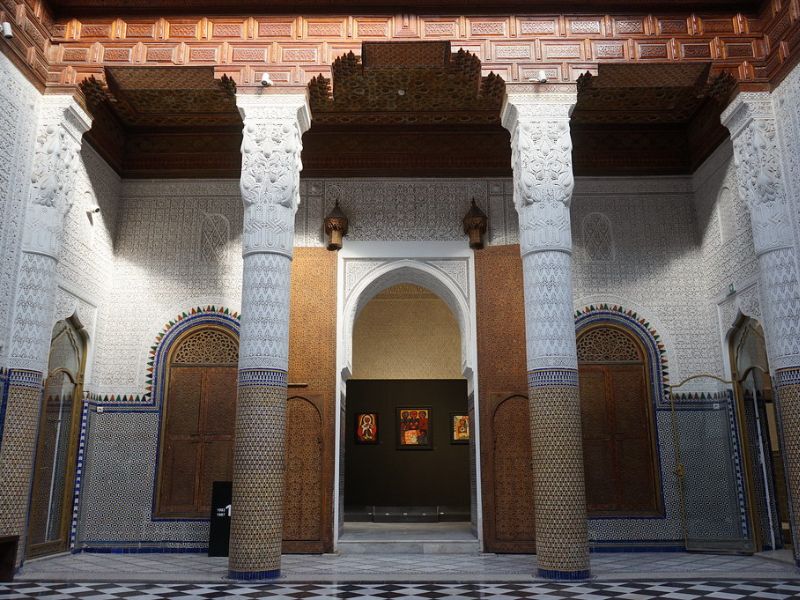
Discover Dar El Bacha: A Cultural Gem in Marrakesh
Marrakesh’s Dar El Bacha – Musée des Confluences, a former palace, offers a serene escape from the bustling souks, showcasing Morocco’s rich cultural dialogue. The museum promotes understanding through diverse exhibitions, stunning architecture, and tranquil courtyards. Visitors can enjoy exquisite coffee while exploring the historical significance and unique identity shaped by various cultural influences.
-
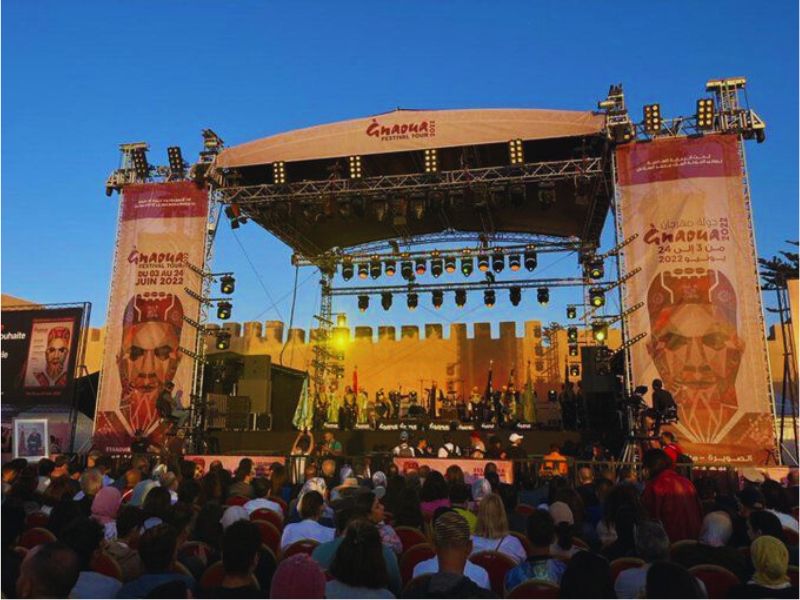
Discover the Soul of Gnawa Music in Essaouira
Gnawa music, an ancient and spiritual tradition from Morocco, embodies a blend of African and Islamic influences. Centered in Essaouira, the annual Gnaoua and World Music Festival celebrates this unique genre, featuring vibrant performances and cultural exchanges. The festival promotes unity and highlights Gnawa music’s vital role in the community’s identity and healing.
-

Discovering Tbourida: Morocco’s Equestrian Heritage
Tbourida, or “Cavalry Fantasy,” is a vibrant Moroccan equestrian performance symbolizing national pride and cultural identity. Originating from ancient military traditions, it represents bravery and community. Each synchronized charge showcases riders’ skill, deep horse bonds, and artistic discipline, preserving Morocco’s rich equestrian heritage and connecting modern Moroccans to their ancestral glory.
-

Explore Ifrane: Morocco’s Hidden Alpine Gem
Ifrane, known as “Little Switzerland,” is a charming mountain town in Morocco’s Middle Atlas, characterized by clean air, European-style architecture, and lush greenery. Designed during the French Protectorate, it offers summer retreats and winter sports. Ifrane’s unique blend of natural beauty, cleanliness, and vibrant university life adds to its allure.
-

Discover Meknes: Morocco’s Hidden Gem
Meknes, often overlooked, is a UNESCO World Heritage site in Morocco with a rich history dating back to the 11th century. Under Sultan Moulay Ismail’s rule, it thrived as an imperial capital. Visitors can enjoy its warm culture, impressive architecture, traditional markets, and nearby historical landmarks, all with fewer crowds than larger cities.
