
Tag: Morocco
-

Couscous: The Heartbeat of the Moroccan Table
Couscous in Morocco transcends mere food, embodying cultural significance and communal joy. Traditionally served on Fridays, it symbolizes hospitality and unity, often enjoyed with family and friends. The preparation involves a unique steaming process, yielding various flavorful versions, making couscous a vital part of Moroccan culinary tradition and social gatherings.
-
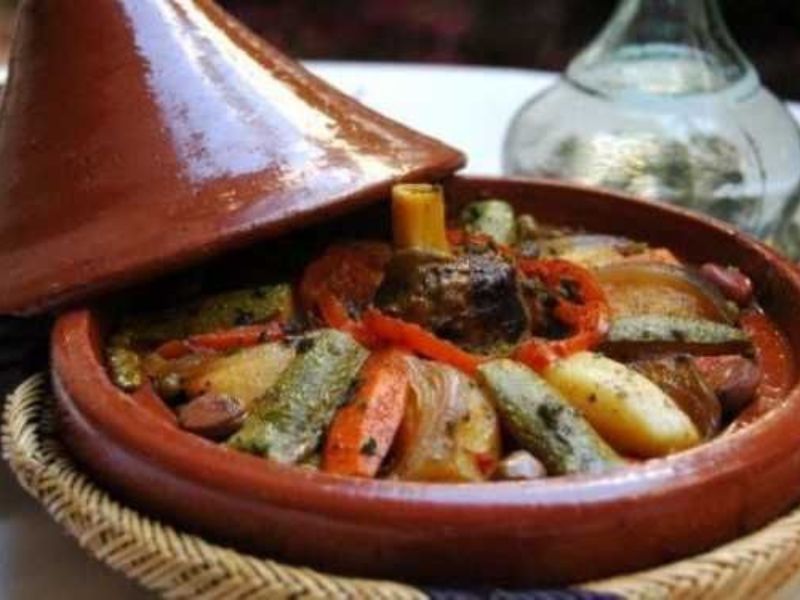
Discover the Cultural Significance of Tagine in Morocco
The tagine, a quintessential symbol of Moroccan culture, represents hospitality and culinary heritage. This unique earthenware pot, used for slow cooking stews, merges tradition with flavor, embodying warmth and community. Serving tagine fosters connection among families, showcasing diverse culinary profiles while reflecting the essence of Morocco’s rich history and culture.
-

Discovering Safi: A Hidden Gem on Morocco’s Atlantic Coast
Safi, a dynamic port city on Morocco’s Atlantic coast, combines a rich Portuguese history with its vibrant fishing industry and renowned ceramics. It offers authentic experiences through its pottery quarter, historic Sea Castle, bustling port, and popular surf spots like Sidi Bouzid. Safi embodies Moroccan charm and deserves exploration beyond typical tourist trails.
-

The Alawite Dynasty: A Legacy of Moroccan Unity
The Alawite Dynasty has governed Morocco for over 350 years, shaping its identity and stability. Tracing their roots to the Tafilalt region, they became a unifying force amidst challenges from colonial powers. Each monarch, from Mohammed V to the present King Mohammed VI, has modernized and preserved Morocco’s rich heritage while embodying its spiritual and…
-

Discover El Jadida: A Hidden Gem of Morocco
El Jadida, a coastal city in Morocco, blends historical intrigue with a relaxed seaside atmosphere. Known for its UNESCO World Heritage-listed Portuguese City (Cité Portugaise), El Jadida showcases Renaissance architecture, charming streets, and beautiful beaches. Visitors can explore fascinating sites like the Cistern while enjoying fresh seafood and stunning ocean views.
-
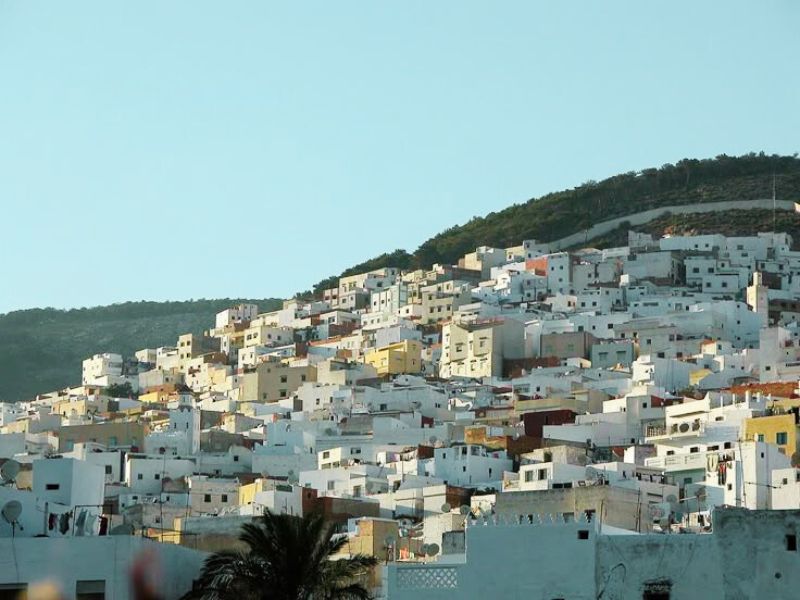
Tetouan’s Medina: Unveiling Authentic Moroccan Heritage
Tetouan’s ancient medina, a UNESCO World Heritage site, offers an intimate glimpse into Morocco’s past, shaped by Andalusian refugees. Its whitewashed buildings, historical gates, and vibrant souks create a unique atmosphere. Deeply rooted in culture, the medina invites exploration, revealing hidden gems and fostering a lively community spirit, making it a must-visit.
-
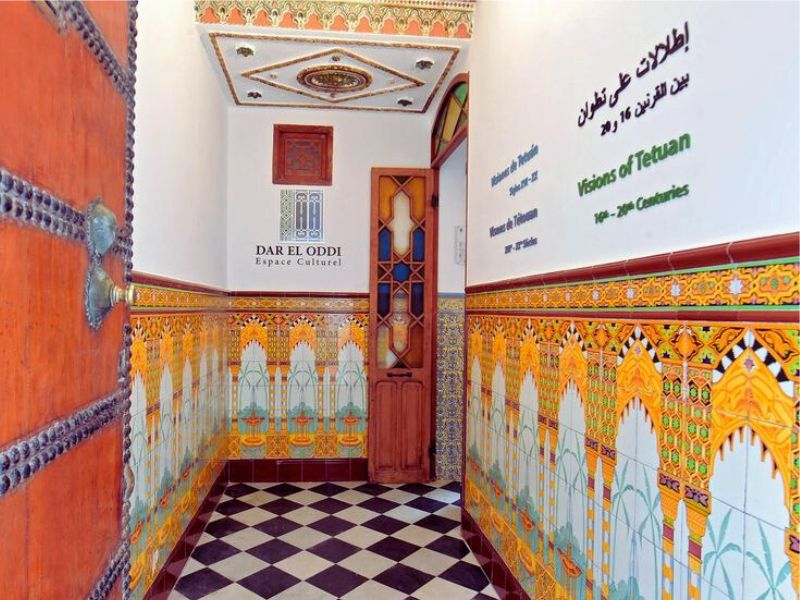
Discover Tetouan’s Ethnographic Museum: A Cultural Treasure
The Ethnographic Museum of Tetouan, also known as Dar El-Oddi, offers an intimate glimpse into the daily lives and traditions of Tetouanis through its rich collection. Housed in a beautifully preserved traditional home, the museum features traditional costumes, artisan tools, and household scenes, showcasing the region’s vibrant culture and heritage.
-

Explore Tetouan’s Archaeological Museum: A Historical Gem
The Archaeological Museum of Tetouan, inaugurated in 1940, is crucial for understanding Morocco’s ancient history. It houses artifacts from prehistoric, Phoenician, Roman, and early Islamic periods, illuminating the region’s cultural evolution. Offering a serene escape from the bustling medina, the museum enriches visitors’ appreciation of Tetouan’s heritage and its historical significance.
-

Tetouan: A Blend of Andalusian and Moroccan Culture
Tetouan, known as “The White Dove,” boasts a rich Andalusian heritage reflected in its architecture, culture, and cuisine. Established in the 15th century by Andalusian refugees, it offers a blend of Moroccan and Spanish influences. Visitors can explore its serene medina, vibrant art scene, and nearby stunning beaches, making it a unique Moroccan destination.
-
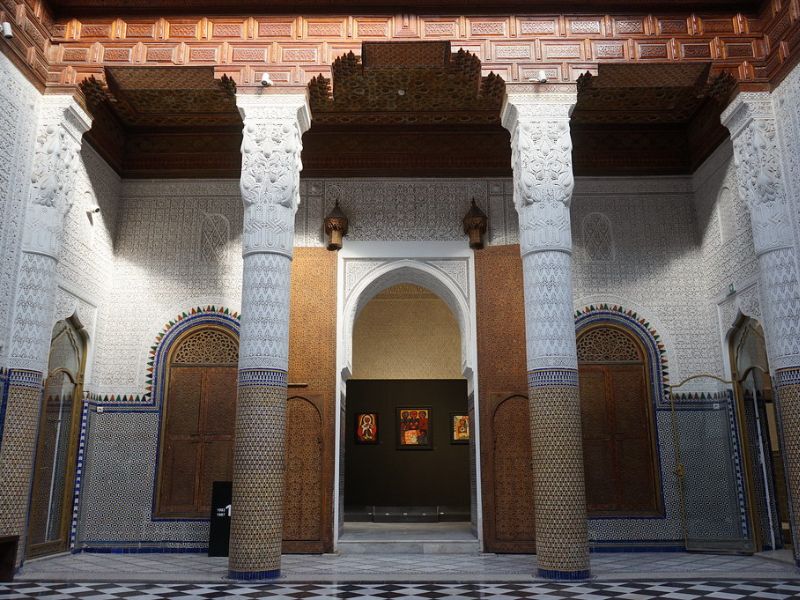
Discover Dar El Bacha: A Cultural Gem in Marrakesh
Marrakesh’s Dar El Bacha – Musée des Confluences, a former palace, offers a serene escape from the bustling souks, showcasing Morocco’s rich cultural dialogue. The museum promotes understanding through diverse exhibitions, stunning architecture, and tranquil courtyards. Visitors can enjoy exquisite coffee while exploring the historical significance and unique identity shaped by various cultural influences.
