
Tag: Morocco
-
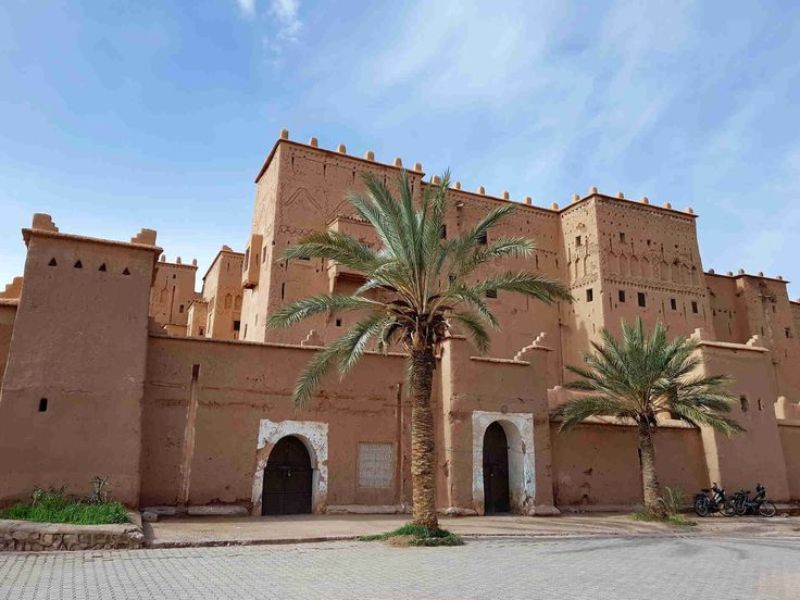
Exploring the Majestic Kasbahs of Morocco
The Moroccan Kasbah represents a rich cultural heritage, showcasing ancient architecture within fortified complexes. Serving as residences, administrative centers, and storage, Kasbahs reflect Morocco’s historical significance along vital trade routes. While many remain inhabited or transformed into guesthouses, efforts to preserve these structures are essential for future generations to appreciate their unique artistry and history.
-

Discover the Fornatchi: Morocco’s Community Oven
The Fornatchi is a traditional communal oven in Moroccan medinas, symbolizing cultural heritage and community spirit. Serving neighborhoods, it allows locals to bake bread and prepare iconic dishes like Tanjia. This living tradition fosters social interaction, showcasing the intertwined nature of community and culinary practices in Morocco’s vibrant life.
-
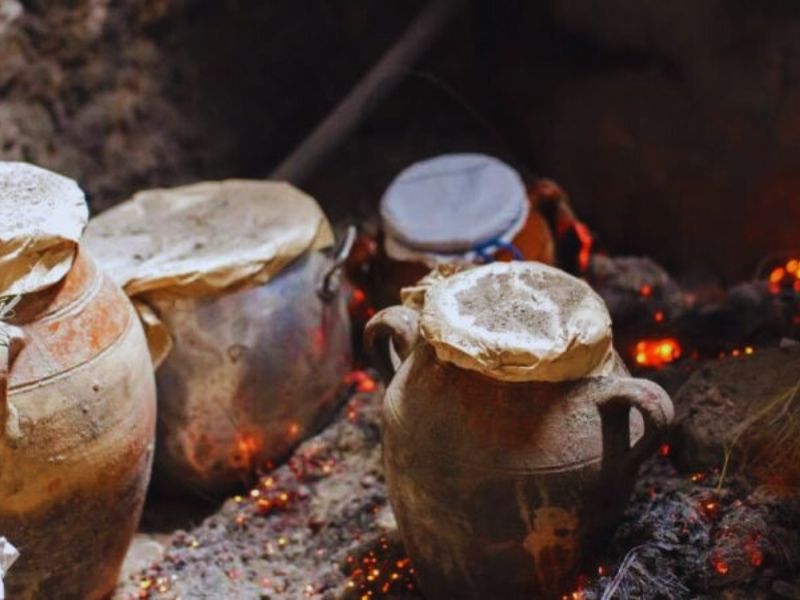
Explore the Essence of Tanjia: Marrakesh’s Culinary Signature
In Marrakesh, the traditional Tanjia dish showcases the city’s rich culinary heritage. Made with slow-cooked lamb or beef in a unique earthenware urn, it employs communal cooking methods. The use of preserved lemon, garlic, and cumin creates unforgettable flavors, making Tanjia a heartfelt meal meant for sharing among friends, embodying Marrakchi culture.
-

Discovering Arsat Moulay Abdessalam: Marrakesh’s Green Oasis
Marrakesh’s Arsat Moulay Abdessalam Garden, a historic oasis, showcases Morocco’s blend of tradition and modernity. Established in the 18th century and transformed into a public park in the 20th century, it features diverse flora and high-speed Wi-Fi. This “Cyber Parc” offers a serene escape, promoting environmental sustainability and community engagement.
-

Rfissa: The Heartwarming Moroccan Dish You Must Try
Rfissa is a cherished Moroccan dish, notable for its cultural significance and comforting flavors. Typically served during childbirth and celebrations, this layered meal features delicate trid pancakes soaked in a rich, spiced broth with tender chicken and lentils. Rfissa embodies hospitality, tradition, and the communal spirit of Moroccan food culture.
-

Discover Azemmour: A Hidden Gem of Moroccan History and Art
Azemmour, a tranquil coastal city near El Jadida, offers travelers an authentic experience steeped in rich history and vibrant street art. With influences from Phoenicians, Romans, Portuguese, and Jewish communities, it showcases a unique cultural tapestry. The serene Oum Er-Rbia River enhances its charm, inviting exploration and deeper connections.
-

Discover Mawazine: Morocco’s Epic Music Festival
The Mawazine Rhythms of the World Festival in Rabat, Morocco, is a dynamic celebration of global music and culture. Founded in 2001, it attracts millions with a mix of international stars and local talent. With free concerts and diverse stages, the festival promotes cultural exchange, inclusivity, and a vibrant communal atmosphere each June.
-

The Rise and Legacy of the Almohads in Morocco
The Almohads, a powerful dynasty from the 12th-13th centuries, originated in Morocco and expanded their empire across North Africa and Islamic Spain. Founded by Ibn Tumart, they emphasized monotheism and social justice. Their legacy includes distinctive architecture, intellectual achievements, and cultural influence that still resonates in modern Morocco and Spain.
-

The Marinid Dynasty: Shaping Fez’s Cultural Renaissance
The Marinid Dynasty, emerging from the Western Sahara, succeeded the Almohads and established a golden age in Fez from the 13th to 15th centuries. Known for its architectural achievements, scholarship, and economic prosperity, the dynasty left an enduring legacy despite its decline, solidifying Fez as a major intellectual and artistic hub in Morocco.
-

Discover the Culinary Magic of Argan Oil
Morocco is renowned for its vibrant culinary heritage, highlighted by argan oil, often referred to as “liquid gold.” Extracted from the argan tree, this oil enriches dishes with a unique nutty flavor and offers health benefits. Essential in traditional recipes like Amlou, tagines, and salads, it symbolizes Moroccan culture and culinary artistry.
