
Tag: Morocco
-
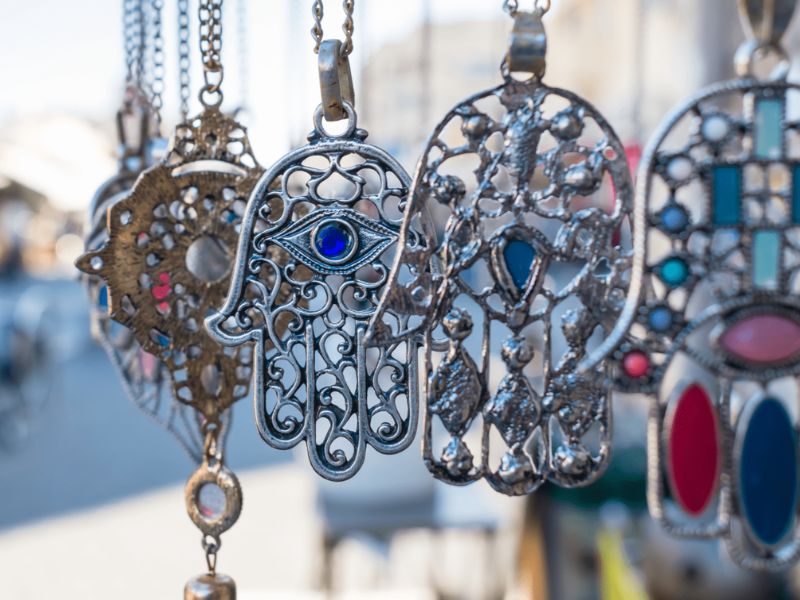
✋ The History and Symbolism of the Khmissa Pendant
Discover the secret history of the Khmissa pendant. From the silver souks of Tiznit to the meaning of the Hand of Fatima, learn why this is Morocco’s most powerful amulet.
-

🏛️Explore Bahia Palace: A Jewel of Marrakesh
Bahia Palace, located in Marrakesh’s old Medina, is a stunning example of Moroccan architecture, built in the 1860s by Si Moussa. It features intricate tile work and beautiful gardens. This historic site showcases the rich craftsmanship of Morocco and now serves as a popular tourist attraction and cultural monument.
-
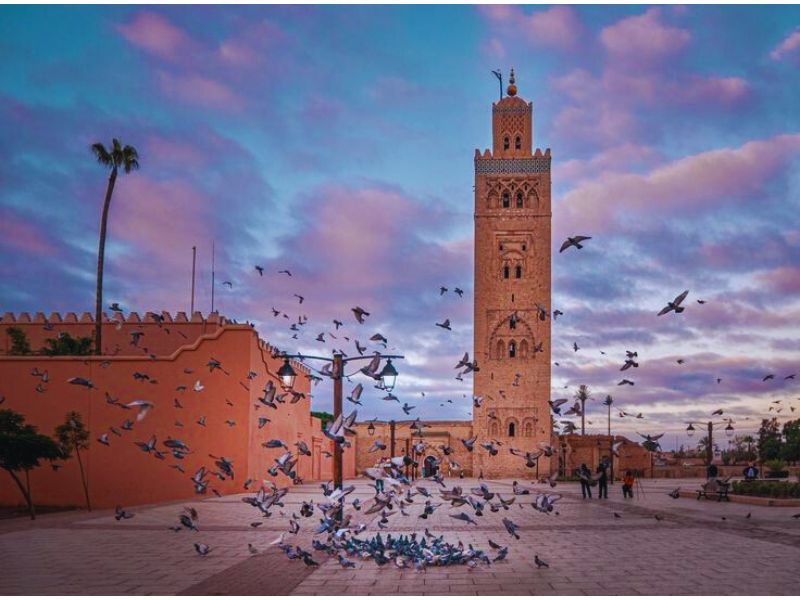
🕌visit the koutoubia mosque a must see in marrakesh
The Koutoubia Mosque, a 12th-century architectural masterpiece in Marrakesh, is a prominent symbol of the city’s history and Islamic design. Completed in 1158 AD, its stunning minaret and tranquil gardens draw visitors, revealing a rich cultural significance and historical narrative, embodying the spirit of the vibrant “Red City.”
-

☀️Explore Marrakesh: A guide to history and Culture
Your ultimate guide to Marrakesh: explore the vibrant Jemaa el-Fna, navigate the historic souks, and discover the secrets of the Bahia Palace and Majorelle Garden.
-
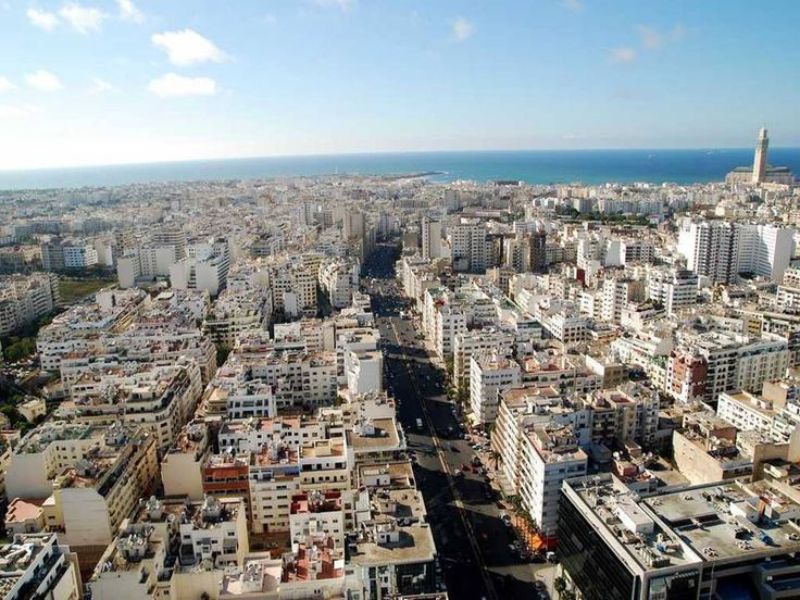
🇲🇦 Exploring Morocco’s Rich History and Culture
Embark on a journey through Morocco’s profound history, from ancient Amazigh roots to imperial empires. Explore its vibrant culture, stunning nature, and unique traditions.
-

🪡Empowering Women Through Azemmour Craft Traditions
Azemmour, Morocco is known for its traditional embroidery, a symbol of the city’s culture and heritage, preserved largely by local women. Originating possibly in the 17th century, it includes designs inspired by both merchants and religious educators. Cooperatives like “Oum Rabii” work to empower women and sustain this artistic legacy.
-

🧵Tetouan’s Hidden Treasure: Traditional Embroidery
Embroidery in Tetouan has deep historical roots, shaped by Andalusian expatriates and influences from Balkan and Oriental traditions. Unique styles like “Taajira” showcase Moorish designs. Traditional techniques use silk and gold threads on finely crafted textiles. Master artisans continue to transmit skills at cultural centers like Dar Sanaa, focusing on women’s empowerment.
-

🧵Moroccan embroidery: rich culturel heritage
Moroccan embroidery is a vital textile art that reflects the country’s rich cultural heritage, showcasing regional diversity and craftsmanship. It holds deep significance in rituals and community identity, while supporting local economies and preserving traditional techniques. This ancient craft continues to evolve, embodying both history and modernity in fashion.
-

🧵The Timeless Tradition of Moroccan Fez Embroidery
Fez embroidery, a cherished Moroccan tradition, showcases intricate designs and vibrant colors, reflecting the cultural exchange in the historic city of Fez. Combining artistry, creativity, and various techniques, this embroidery adorns clothing and home decor. It represents Morocco’s rich heritage and continues to thrive, captivating art lovers worldwide.
-

🌱The Art of Argan Oil Extraction in Morocco
Argan oil, known as “liquid gold,” is a cherished product from Morocco, extracted through a meticulous process involving harvesting, drying, and shelling the Argan fruits. Amazigh women play a crucial role in this traditional method, leading to an oil rich in nutrients and antioxidants, vital for cosmetics and cuisine, symbolizing Moroccan heritage and dedication.
