
Tag: Moroccan cuisine
-

🍕 Madfouna: The Legendary Berber Pizza of the Moroccan Sahara
Discover Madfouna, the Berber Pizza of Rissani and Merzouga. Learn the history of this savory stuffed bread traditionally “buried” and baked in the Sahara sand.
-
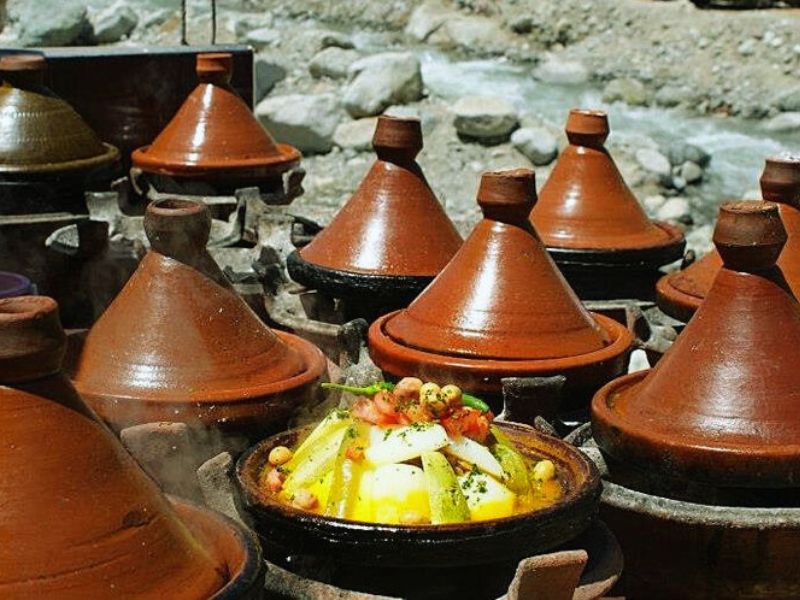
🍲 Exploring Moroccan Tagine Varieties
From the tangy Chicken Djaj to the sweet Lamb with Prunes, discover the 7 most popular Moroccan Tagine varieties and the secret of the conical clay pot.
-

Discover the Fornatchi: Morocco’s Community Oven
The Fornatchi is a traditional communal oven in Moroccan medinas, symbolizing cultural heritage and community spirit. Serving neighborhoods, it allows locals to bake bread and prepare iconic dishes like Tanjia. This living tradition fosters social interaction, showcasing the intertwined nature of community and culinary practices in Morocco’s vibrant life.
-
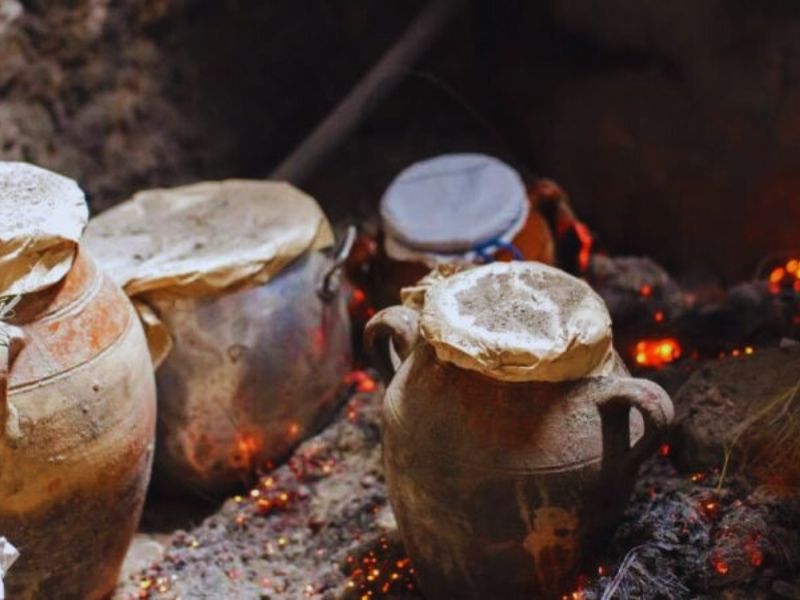
Explore the Essence of Tanjia: Marrakesh’s Culinary Signature
In Marrakesh, the traditional Tanjia dish showcases the city’s rich culinary heritage. Made with slow-cooked lamb or beef in a unique earthenware urn, it employs communal cooking methods. The use of preserved lemon, garlic, and cumin creates unforgettable flavors, making Tanjia a heartfelt meal meant for sharing among friends, embodying Marrakchi culture.
-

Rfissa: The Heartwarming Moroccan Dish You Must Try
Rfissa is a cherished Moroccan dish, notable for its cultural significance and comforting flavors. Typically served during childbirth and celebrations, this layered meal features delicate trid pancakes soaked in a rich, spiced broth with tender chicken and lentils. Rfissa embodies hospitality, tradition, and the communal spirit of Moroccan food culture.
-

Discover the Culinary Magic of Argan Oil
Morocco is renowned for its vibrant culinary heritage, highlighted by argan oil, often referred to as “liquid gold.” Extracted from the argan tree, this oil enriches dishes with a unique nutty flavor and offers health benefits. Essential in traditional recipes like Amlou, tagines, and salads, it symbolizes Moroccan culture and culinary artistry.
-

Couscous: The Heartbeat of the Moroccan Table
Couscous in Morocco transcends mere food, embodying cultural significance and communal joy. Traditionally served on Fridays, it symbolizes hospitality and unity, often enjoyed with family and friends. The preparation involves a unique steaming process, yielding various flavorful versions, making couscous a vital part of Moroccan culinary tradition and social gatherings.
-
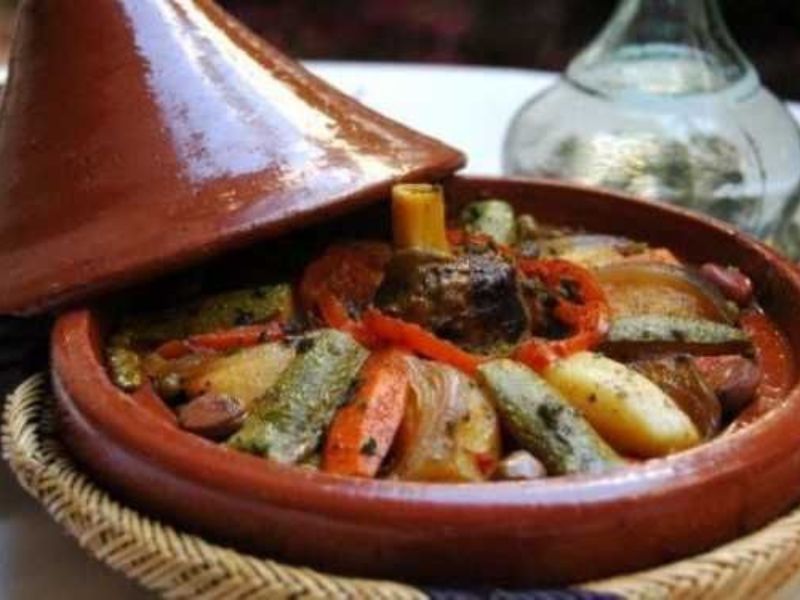
Discover the Cultural Significance of Tagine in Morocco
The tagine, a quintessential symbol of Moroccan culture, represents hospitality and culinary heritage. This unique earthenware pot, used for slow cooking stews, merges tradition with flavor, embodying warmth and community. Serving tagine fosters connection among families, showcasing diverse culinary profiles while reflecting the essence of Morocco’s rich history and culture.
-

🫖Discover the Story Behind Moroccan Mint Tea
Moroccan mint tea, known as “Atay,” symbolizes hospitality and cultural significance in Morocco, introduced in the 18th century through trade. Initially met with resistance, it became cherished through the addition of sugar and mint. The art of serving Atay fosters connection, making it an essential element of social gatherings and identity.
-

🌞Discover Agadir: A Gem on Morocco’s Atlantic Coast
Agadir, a vibrant coastal city in Morocco, combines natural beauty with urban amenities. Known for its stunning beaches, rich history, and Amazigh culture, it offers diverse activities like water sports, local cuisine, and cultural events. A great base for regional exploration, Agadir is ideal for relaxation and adventure year-round.
