
Tag: Moroccan cooking
-

Discover the Culinary Magic of Argan Oil
Morocco is renowned for its vibrant culinary heritage, highlighted by argan oil, often referred to as “liquid gold.” Extracted from the argan tree, this oil enriches dishes with a unique nutty flavor and offers health benefits. Essential in traditional recipes like Amlou, tagines, and salads, it symbolizes Moroccan culture and culinary artistry.
-

Couscous: The Heartbeat of the Moroccan Table
Couscous in Morocco transcends mere food, embodying cultural significance and communal joy. Traditionally served on Fridays, it symbolizes hospitality and unity, often enjoyed with family and friends. The preparation involves a unique steaming process, yielding various flavorful versions, making couscous a vital part of Moroccan culinary tradition and social gatherings.
-
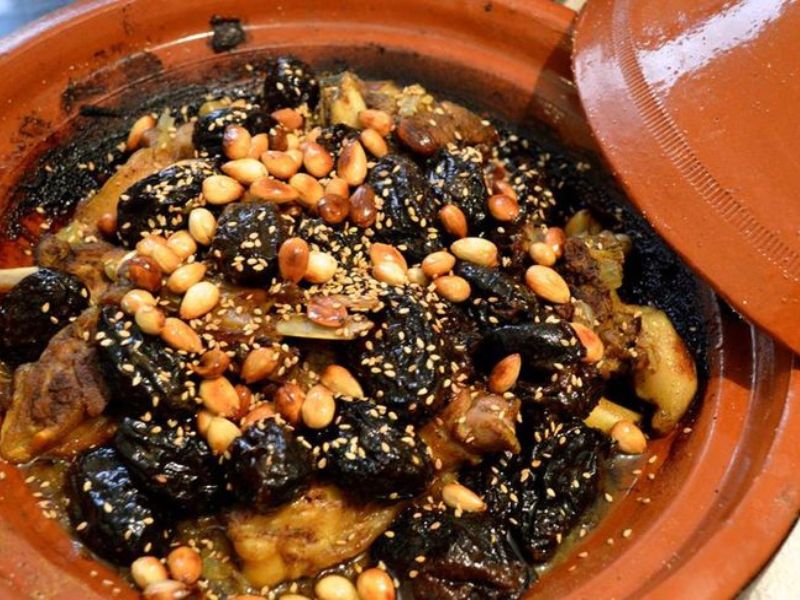
Discover the Cultural Significance of Tagine in Morocco
The tagine, a quintessential symbol of Moroccan culture, represents hospitality and culinary heritage. This unique earthenware pot, used for slow cooking stews, merges tradition with flavor, embodying warmth and community. Serving tagine fosters connection among families, showcasing diverse culinary profiles while reflecting the essence of Morocco’s rich history and culture.
-

Exploring Moroccan Spices and Herbs
Moroccan cuisine is distinguished by its rich array of spices and herbs, which enhance the depth and aroma of its dishes. The country’s location has historically made it a hub for spice trade, blending various cultural influences. Essential spices include cumin and coriander, while unique blends like Ras el hanout define its culinary identity.
