
Tag: Marrakesh
-
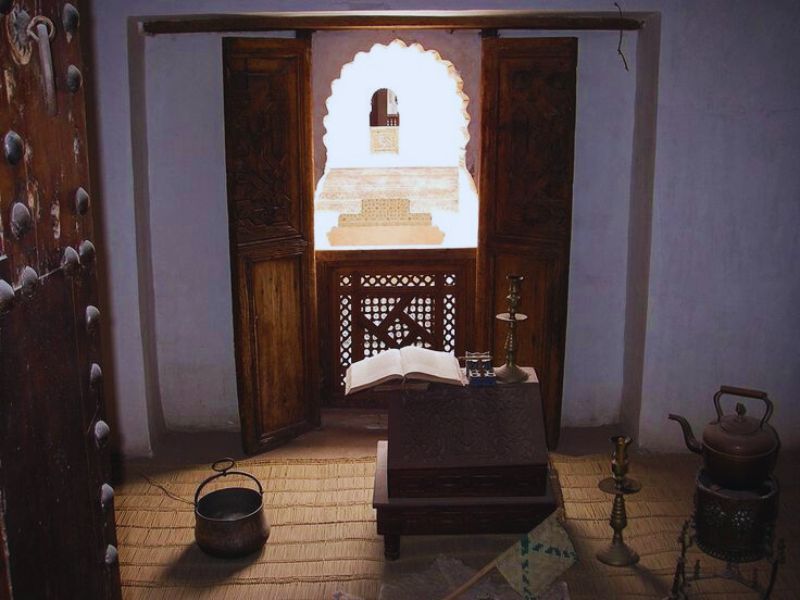
Medersa Ben Youssef: A Cultural Landmark in Marrakesh
The Medersa Ben Youssef, a 14th-century Islamic school in Marrakesh’s Medina, exemplifies Moroccan architecture and cultural heritage. Founded under Sultan Abu al-Hassan and later transformed by Sultan Abdullah Al-Ghaleb, it became a prominent intellectual hub. Its intricate tile work, carved wood, and serene courtyards attract global visitors, offering insights into Morocco’s historical and architectural richness.…
-
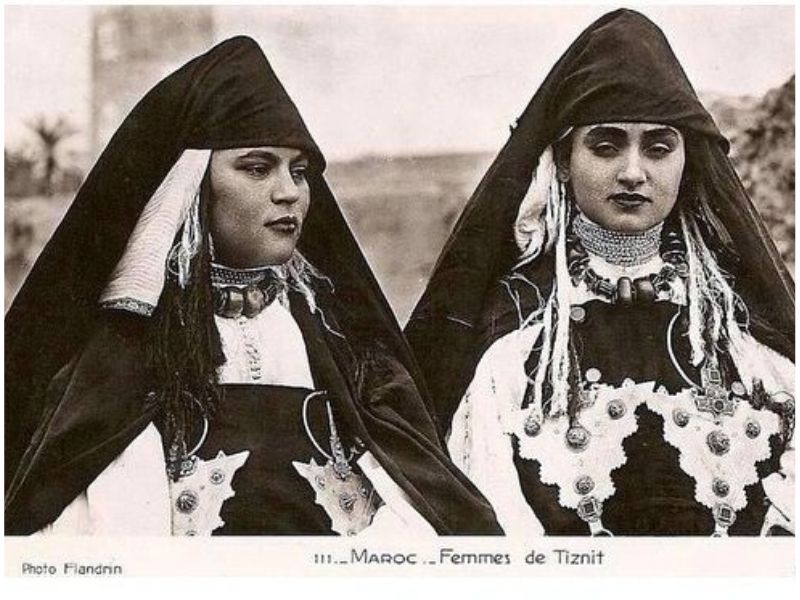
Exploring the Amazigh Fibula: Cultural Significance and Design
The Amazigh Fibula is a traditional Moroccan brooch holding significant cultural importance among the Amazigh community. Originating in the pre-Islamic era, it symbolizes identity, protection, beauty, and social status. Known for intricate designs, it plays a crucial role in preserving heritage and inspiring contemporary artisans while showcasing the community’s rich traditions.
-

Exploring Moroccan Spices and Herbs
Moroccan cuisine is distinguished by its rich array of spices and herbs, which enhance the depth and aroma of its dishes. The country’s location has historically made it a hub for spice trade, blending various cultural influences. Essential spices include cumin and coriander, while unique blends like Ras el hanout define its culinary identity.
-
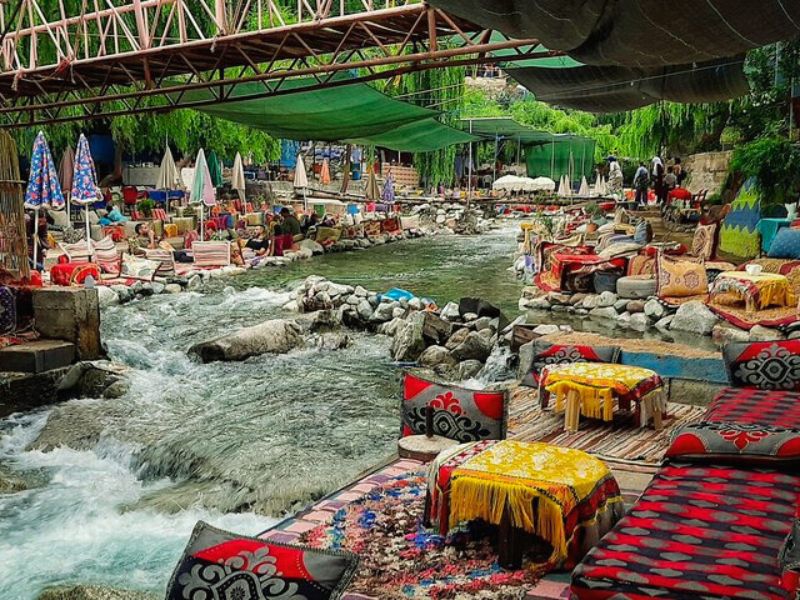
Explore the Stunning Ourika Valley: A Hidden Gem in Morocco
The Ourika Valley, located 40 kilometers south of Marrakesh, is a stunning destination in the Atlas Mountains. It offers vibrant nature, rich cultural heritage, and outdoor adventures like hiking and horseback riding. With its traditional Amazigh villages, waterfalls, and unique cuisine, it is a must-visit for any traveler to Morocco.
-

Discover Imlil: A Hidden Gem in the Atlas Mountains
Imlil is a scenic village in Morocco’s Atlas Mountains, known for its breathtaking views, hiking, and rich Amazigh culture. Situated at 1,740 meters elevation, it serves as a gateway for treks, including Jbel Toubkal. With charming accommodations and diverse activities, Imlil attracts nature enthusiasts and cultural explorers alike.
-
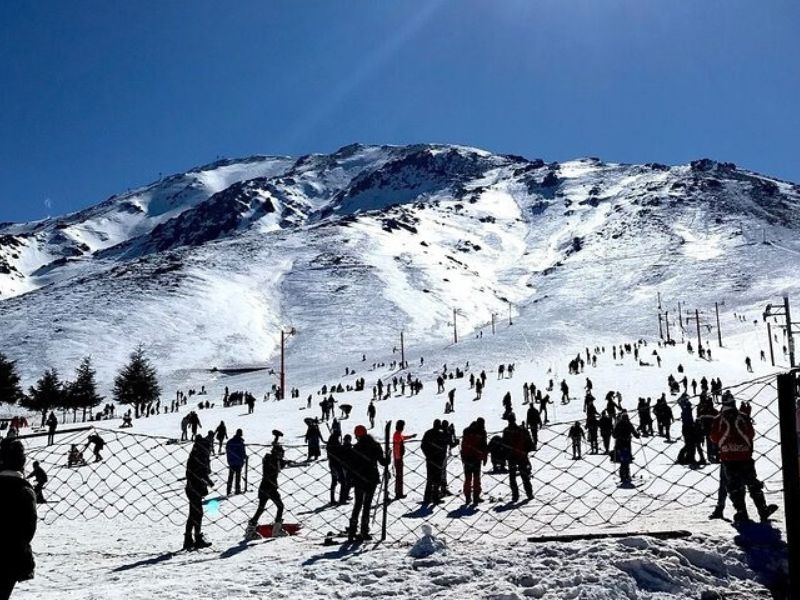
Discover Oukaimden: The Hidden Gem of the Atlas Mountains
Oukaimden is a picturesque village in the Atlas Mountains, known for its history dating back to the 10th century as a key trade stop. It offers adventure activities like hiking, skiing, and rock climbing, alongside cultural experiences. Visitors enjoy local cuisine and hospitality, making it an ideal destination for nature lovers.
-

Discover Mount Toubkal: North Africa’s Highest Peak
Mount Toubkal, the highest peak in North Africa at 4,167 meters, is located in Morocco’s Atlas Mountains. It has historical significance to the Amazigh communities and boasts stunning geography within Toubkal National Park. Popular for trekking and hiking, it offers varied trails and cultural experiences while providing practical travel tips for visitors.
-

Exploring the Agadez Cross: Tuareg Symbolism and Heritage
The Agadez cross, rooted in the ancient city of Agadez, Niger, symbolizes Tuareg identity, tradition, and spirituality. Influenced by various cultures through Trans-Saharan trade, it represents protection, connection to the divine, and the nomadic lifestyle. Today, it inspires Moroccan jewelry artisans, showcasing its cultural significance and enduring appeal.
-
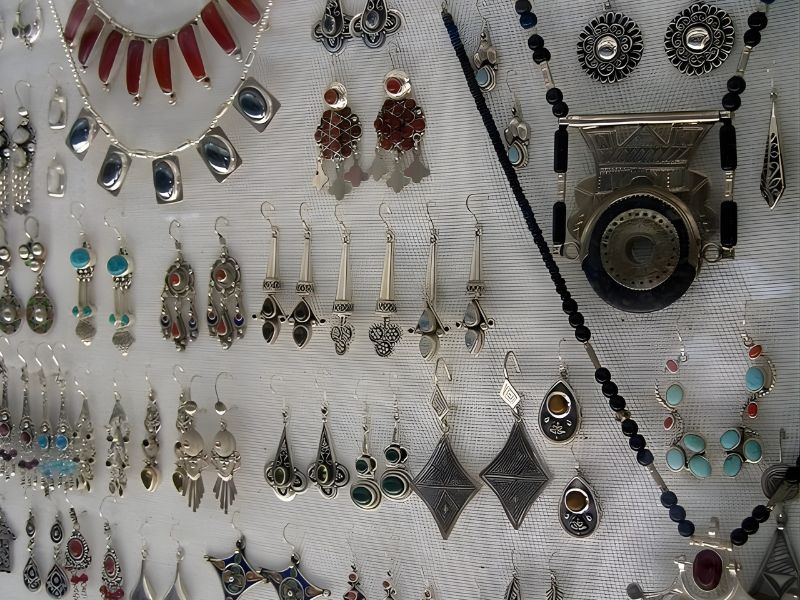
💍The Allure of Moroccan Jewelry: Tradition Meets Art
Explore the powerful symbolism and history of Moroccan jewelry. Learn about Amazigh silver, Tiznit filigree, Khmissa, and the traditional techniques used by master artisans.
-

🐒The Magic of Jemaa el-Fnaa: Marrakesh’s Heartbeat
Jemaa el-Fna, located in Marrakesh’s old medina, is a vibrant public square rich in history, recognized by UNESCO for its cultural significance, offering diverse performances, cuisine, and a unique communal atmosphere.
