
Tag: Marrakesh
-

Exploring the Saadian Dynasty: Morocco’s Golden Age
The Saadian Dynasty (1510–1659) played a crucial role in shaping Moroccan identity through military and architectural achievements. Arising from a family of sharifs, they united Morocco and solidified their power under leaders like Muhammad al-Shaykh and Ahmad al-Mansur al-Dhahabi. The dynasty is noted for significant victories against European powers, wealth from trade, and monumental projects…
-

Essential Travel Tips for Your Moroccan Adventure
This guide encourages travelers to explore Morocco, a country rich in diverse landscapes, culture, and hospitality. It emphasizes understanding personal travel preferences, suggests essential travel tips, and illustrates the unique experiences one can have in Morocco, from its culinary delights to its welcoming traditions, making it an ideal adventure destination.
-

Discover the Allure of Moroccan Leather Goods
Moroccan leather products are a representation of the country’s rich heritage and artisanal skill. From babouche slippers to intricately designed poufs, each item showcases unique craftsmanship and natural materials. The traditional tanning methods create exceptional quality leather, enchanting travelers and style enthusiasts alike while preserving cultural heritage through these unique treasures.
-

Explore the Unique Agafay Desert Near Marrakesh
The Agafay Desert, located near Marrakesh, offers a unique landscape of rolling ochre hills instead of traditional sand dunes. This serene environment features resilient flora, breathtaking sunrises, and sunsets. Visitors can enjoy camel treks, quad biking, stargazing, and authentic Amazigh experiences, making Agafay a captivating alternative to the vibrant chaos of Marrakesh.
-
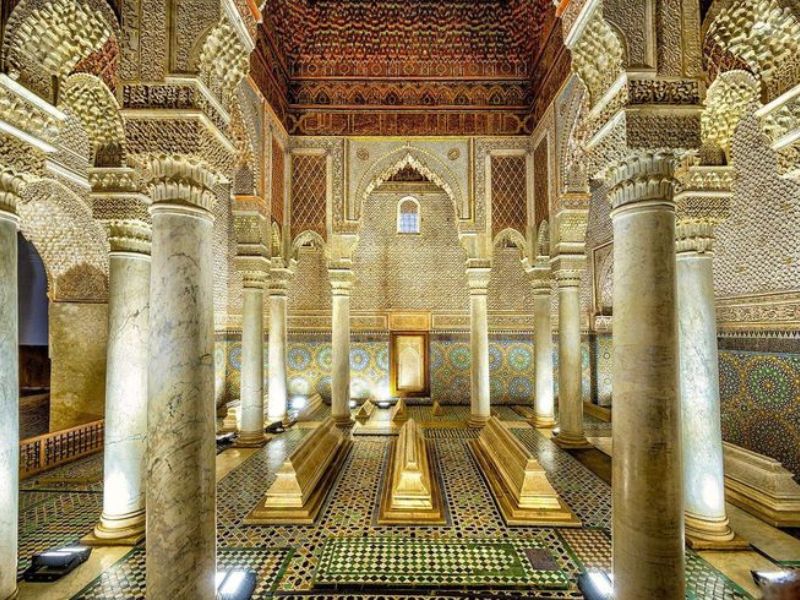
Discover the Saadian Tombs: Marrakesh’s Hidden Gem
Marrakesh is rich in history, notably through the Saadian Tombs, which provide a glimpse into the influential Saadian Dynasty. This era, marked by significant cultural and architectural achievements, emerged in the 16th century, culminating in exquisite mausoleums. Rediscovered in 1917, these tombs now serve as a serene testament to Morocco’s vibrant past.
-

🫖Discover the Story Behind Moroccan Mint Tea
Moroccan mint tea, known as “Atay,” symbolizes hospitality and cultural significance in Morocco, introduced in the 18th century through trade. Initially met with resistance, it became cherished through the addition of sugar and mint. The art of serving Atay fosters connection, making it an essential element of social gatherings and identity.
-

Discover Tiznit: Morocco’s Hidden Gem
Tiznit, located in Morocco’s Souss-Massa region, is a city rich in history, founded in 1882 by Sultan Moulay Hassan I. Known for its silver jewelry and unique blend of cultures, Tiznit features a historic medina, grand mosque, and nearby beaches. Its natural beauty and authentic Moroccan experience make it an ideal destination.
-

Explore Ouzoud Waterfalls: A Natural Paradise in Morocco
The Ouzoud Waterfalls in Morocco, located in the Atlas Mountains, are a breathtaking series of three cascades attracting global visitors. Surrounded by olive groves and Berber villages, they offer hiking, cultural experiences, and serene landscapes. Ideal for nature enthusiasts, they provide stunning views and opportunities for adventure.
-

Explore the Tranquil Menara Gardens in Marrakesh
The Menara Gardens in Marrakesh, established in the 12th century, showcase Moroccan architecture and agricultural ingenuity, featuring a unique irrigation system. Renowned for their central pond, olive groves, and picturesque pavilions, the gardens provide a serene escape from the city. They are a must-visit for cultural and nature enthusiasts.
-
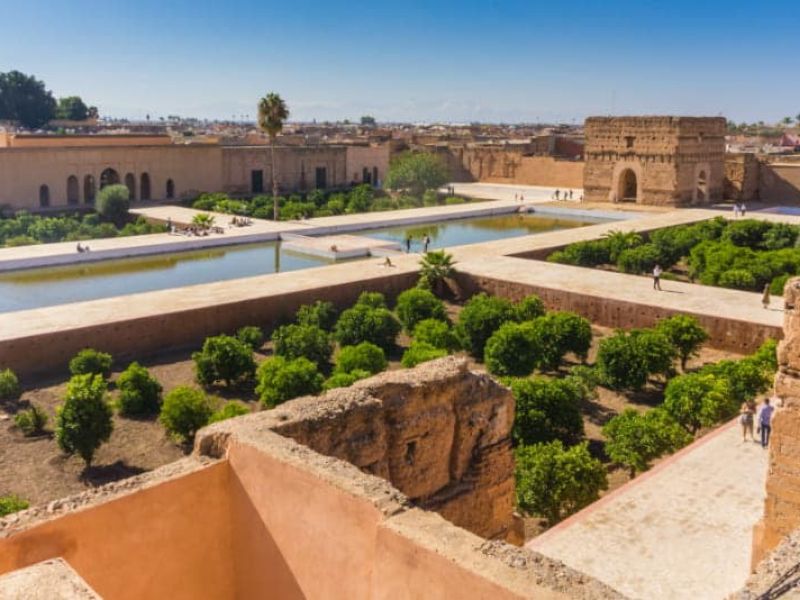
🏛️Explore the Badi Palace: A Cultural Gem in Marrakech
The Badi Palace in Marrakesh, built by Sultan Ahmad al-Mansur in the late 16th century, exemplifies Morocco’s rich cultural heritage and architectural beauty. Featuring intricate designs and lush gardens, it attracts global visitors. Today, restoration efforts preserve its historical significance, making it a must-visit site for tourists.
