
Tag: Marrakesh
-
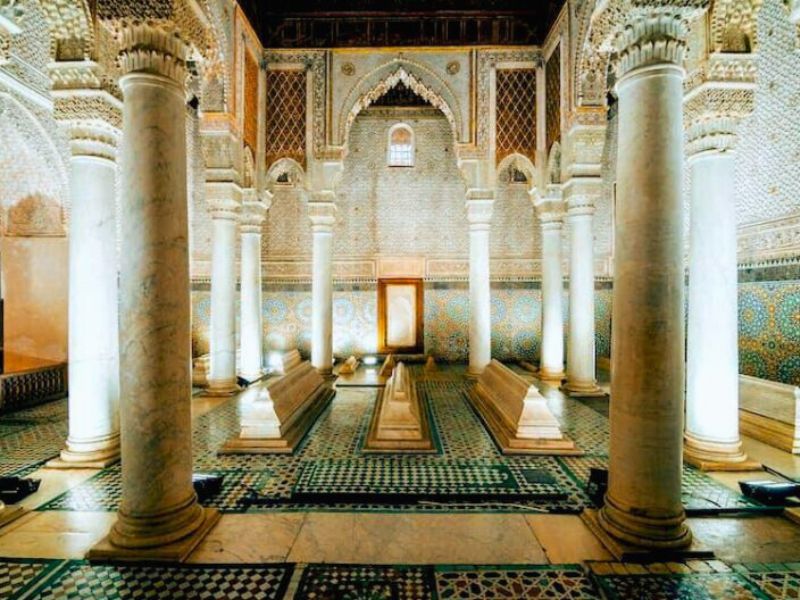
🏛️ Morocco’s Most Stunning Mausoleums: A Guide to Art & History
Discover the history and art of Morocco’s famous mausoleums. From the hidden Saadian Tombs to the royal grandeur of Rabat, explore the soul of Moroccan heritage.
-

⚽ 🇲🇦 AFCON 2025: What to Wear to Stay Warm in Morocco’s Stadiums
Heading to AFCON 2025 (Dec 21 – Jan 18)? Learn how to dress for Morocco’s winter weather, from stadium layering tips to traditional Moroccan wool gear.
-

Top 5 Must-Visit Cities in Morocco
Morocco boasts a stunning array of cities that blend ancient traditions and modern aesthetics. Notable destinations include Marrakech’s vibrant Jemaa el-Fnaa, Fez’s historical medina, Chefchaouen’s blue-washed charm, Essaouira’s coastal beauty, and Rabat’s elegant landmarks. Each city uniquely captivates visitors with its culture, architecture, and natural landscapes, inviting exploration.
-

Top 10 Must-Experience Things for Your First Visit to Marrakech
Marrakech, known as the “Red City,” is a vibrant mix of colors, sounds, and aromas. Highlights include the lively Jemaa el-Fnaa square, intricate souks, tranquil Jardin Majorelle, and opulent Bahia Palace. Visitors can enjoy traditional hammams, Moroccan cuisine, and desert experiences in the Palmeraie. Each location offers a unique glimpse into Moroccan culture and history.
-
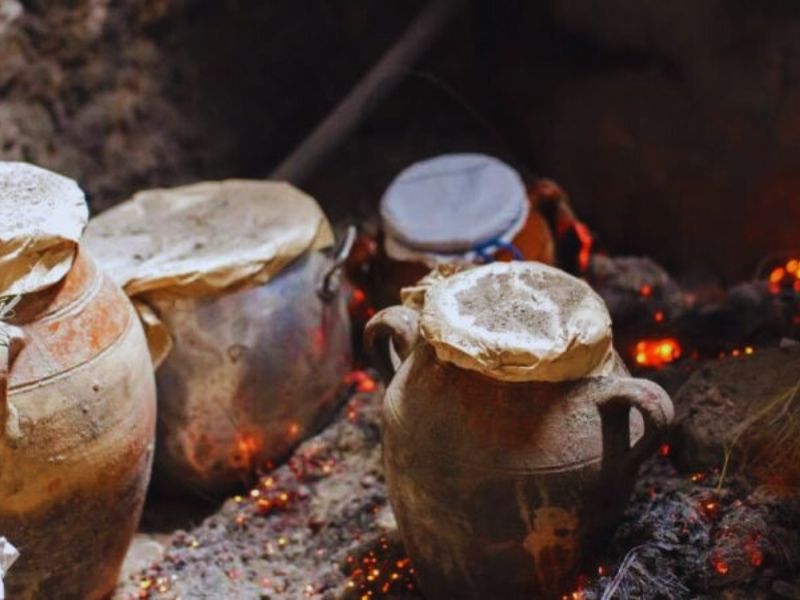
Explore the Essence of Tanjia: Marrakesh’s Culinary Signature
In Marrakesh, the traditional Tanjia dish showcases the city’s rich culinary heritage. Made with slow-cooked lamb or beef in a unique earthenware urn, it employs communal cooking methods. The use of preserved lemon, garlic, and cumin creates unforgettable flavors, making Tanjia a heartfelt meal meant for sharing among friends, embodying Marrakchi culture.
-

Discovering Arsat Moulay Abdessalam: Marrakesh’s Green Oasis
Marrakesh’s Arsat Moulay Abdessalam Garden, a historic oasis, showcases Morocco’s blend of tradition and modernity. Established in the 18th century and transformed into a public park in the 20th century, it features diverse flora and high-speed Wi-Fi. This “Cyber Parc” offers a serene escape, promoting environmental sustainability and community engagement.
-

The Rise and Legacy of the Almohads in Morocco
The Almohads, a powerful dynasty from the 12th-13th centuries, originated in Morocco and expanded their empire across North Africa and Islamic Spain. Founded by Ibn Tumart, they emphasized monotheism and social justice. Their legacy includes distinctive architecture, intellectual achievements, and cultural influence that still resonates in modern Morocco and Spain.
-

The Marinid Dynasty: Shaping Fez’s Cultural Renaissance
The Marinid Dynasty, emerging from the Western Sahara, succeeded the Almohads and established a golden age in Fez from the 13th to 15th centuries. Known for its architectural achievements, scholarship, and economic prosperity, the dynasty left an enduring legacy despite its decline, solidifying Fez as a major intellectual and artistic hub in Morocco.
-
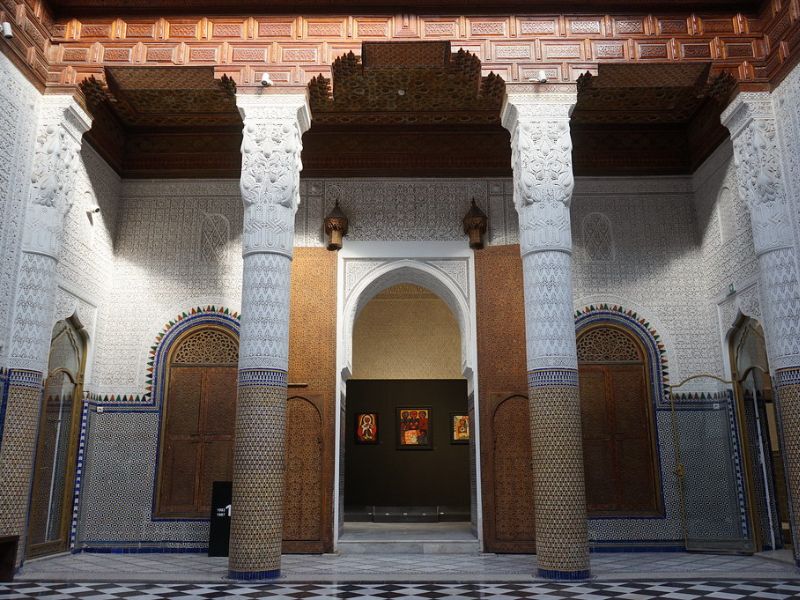
Discover Dar El Bacha: A Cultural Gem in Marrakesh
Marrakesh’s Dar El Bacha – Musée des Confluences, a former palace, offers a serene escape from the bustling souks, showcasing Morocco’s rich cultural dialogue. The museum promotes understanding through diverse exhibitions, stunning architecture, and tranquil courtyards. Visitors can enjoy exquisite coffee while exploring the historical significance and unique identity shaped by various cultural influences.
-

The Almoravid Dynasty: Shaping Morocco’s History
The Almoravid dynasty, emerging in the 11th century, significantly shaped Morocco’s identity by unifying fragmented tribes, promoting strict Maliki Islam, and expanding into Al-Andalus. They founded Marrakesh, a vital cultural and commercial hub, and left a profound legacy impacting political, religious, and architectural landscapes in Morocco that endures today.
