
Tag: History
-
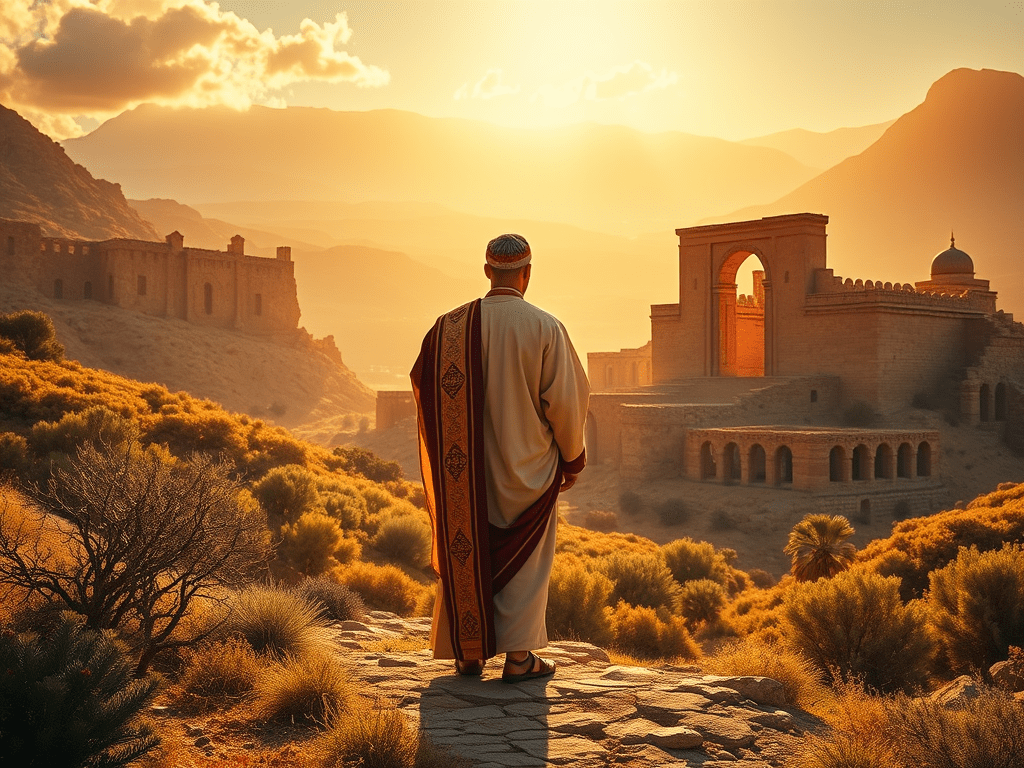
Idrissid Dynasty: The Birth of Modern Morocco
The Idrissid dynasty emerged in the late 8th century, marking Morocco’s foundation as an independent Islamic state. Led by Idriss ibn Abdallah, it unified Berber tribes and established the city of Fez, fostering a unique Arab-Berber culture. Their legacy shaped Morocco’s political autonomy, Islamic identity, and cultural richness for centuries.
-
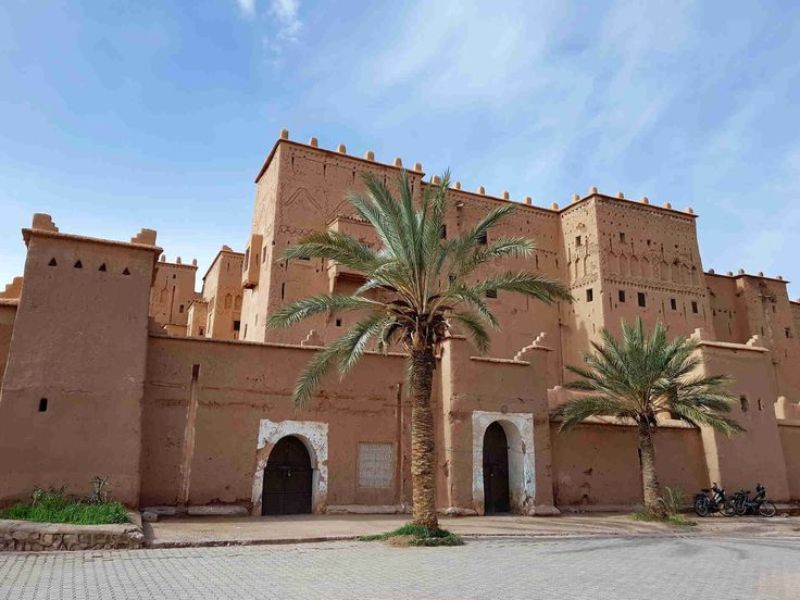
Exploring the Majestic Kasbahs of Morocco
The Moroccan Kasbah represents a rich cultural heritage, showcasing ancient architecture within fortified complexes. Serving as residences, administrative centers, and storage, Kasbahs reflect Morocco’s historical significance along vital trade routes. While many remain inhabited or transformed into guesthouses, efforts to preserve these structures are essential for future generations to appreciate their unique artistry and history.
-

The Rise and Legacy of the Almohads in Morocco
The Almohads, a powerful dynasty from the 12th-13th centuries, originated in Morocco and expanded their empire across North Africa and Islamic Spain. Founded by Ibn Tumart, they emphasized monotheism and social justice. Their legacy includes distinctive architecture, intellectual achievements, and cultural influence that still resonates in modern Morocco and Spain.
-

The Marinid Dynasty: Shaping Fez’s Cultural Renaissance
The Marinid Dynasty, emerging from the Western Sahara, succeeded the Almohads and established a golden age in Fez from the 13th to 15th centuries. Known for its architectural achievements, scholarship, and economic prosperity, the dynasty left an enduring legacy despite its decline, solidifying Fez as a major intellectual and artistic hub in Morocco.
-

Explore Tetouan’s Archaeological Museum: A Historical Gem
The Archaeological Museum of Tetouan, inaugurated in 1940, is crucial for understanding Morocco’s ancient history. It houses artifacts from prehistoric, Phoenician, Roman, and early Islamic periods, illuminating the region’s cultural evolution. Offering a serene escape from the bustling medina, the museum enriches visitors’ appreciation of Tetouan’s heritage and its historical significance.
-

The Almoravid Dynasty: Shaping Morocco’s History
The Almoravid dynasty, emerging in the 11th century, significantly shaped Morocco’s identity by unifying fragmented tribes, promoting strict Maliki Islam, and expanding into Al-Andalus. They founded Marrakesh, a vital cultural and commercial hub, and left a profound legacy impacting political, religious, and architectural landscapes in Morocco that endures today.
-

Discovering Tbourida: Morocco’s Equestrian Heritage
Tbourida, or “Cavalry Fantasy,” is a vibrant Moroccan equestrian performance symbolizing national pride and cultural identity. Originating from ancient military traditions, it represents bravery and community. Each synchronized charge showcases riders’ skill, deep horse bonds, and artistic discipline, preserving Morocco’s rich equestrian heritage and connecting modern Moroccans to their ancestral glory.
-
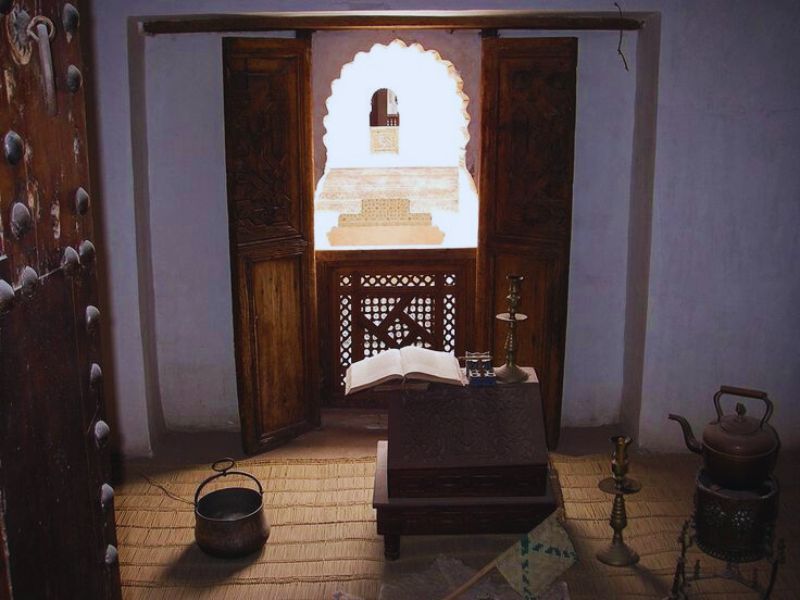
Medersa Ben Youssef: A Cultural Landmark in Marrakesh
The Medersa Ben Youssef, a 14th-century Islamic school in Marrakesh’s Medina, exemplifies Moroccan architecture and cultural heritage. Founded under Sultan Abu al-Hassan and later transformed by Sultan Abdullah Al-Ghaleb, it became a prominent intellectual hub. Its intricate tile work, carved wood, and serene courtyards attract global visitors, offering insights into Morocco’s historical and architectural richness.…
-

Visit the Stunning Kasbah Museum in Tangier
The Kasbah Museum in Tangier, housed in an 18th-century palace, is a vital cultural site showcasing Moroccan art, history, and artifacts. Visitors can explore its stunning architecture and diverse collections, which include ceramics, textiles, and archaeological finds. The museum offers insights into Tangier’s heritage, making it essential for enthusiasts of art and history.
-

Explore the Historic Medina of Tangier: A Cultural Journey
The Medina of Tangier, a historic walled city in Morocco, dates back to the 5th century BC. It has a rich heritage influenced by various cultures, including Phoenician, Roman, Arabic, and Portuguese. Today, it features narrow streets, vibrant markets, and stunning architecture, making it an essential destination for cultural exploration.
