
Tag: Historical sites
-

Discover Meknes: Morocco’s Hidden Gem
Meknes, often overlooked, is a UNESCO World Heritage site in Morocco with a rich history dating back to the 11th century. Under Sultan Moulay Ismail’s rule, it thrived as an imperial capital. Visitors can enjoy its warm culture, impressive architecture, traditional markets, and nearby historical landmarks, all with fewer crowds than larger cities.
-

Essential Travel Tips for Your Moroccan Adventure
This guide encourages travelers to explore Morocco, a country rich in diverse landscapes, culture, and hospitality. It emphasizes understanding personal travel preferences, suggests essential travel tips, and illustrates the unique experiences one can have in Morocco, from its culinary delights to its welcoming traditions, making it an ideal adventure destination.
-

Discover Taroudant: Morocco’s Hidden Gem
Taroudant, known as “Little Marrakesh,” offers an authentic glimpse into traditional Berber culture with its ochre walls and relaxed atmosphere. Rich in history, it features ancient ramparts and vibrant souks showcasing local crafts. As a gateway to the scenic Souss Valley, Taroudant invites travelers seeking a genuine Moroccan experience.
-

Explore the Enchanting Medersa al-Attarine in Fez
The Medersa al-Attarine, a 14th-century Islamic school in Fez, exemplifies Marinid architecture and artistic craftsmanship. With intricate tilework, cedarwood carvings, and serene courtyards, it offers insight into Morocco’s intellectual history. Its proximity to the spice souk enhances the experience, blending beauty, learning, and vibrant cultural life.
-
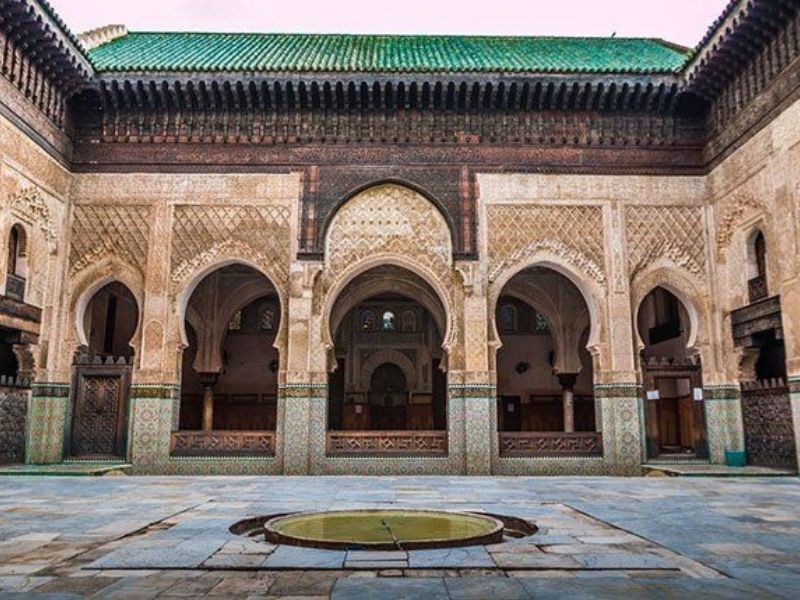
🏫Discover the Medersa Bou Inania: A Jewel in Fez’s Medina
The Medersa Bou Inania, built between 1350 and 1355 by Sultan Abu Inan Faris in Fez, exemplifies Marinid architecture. It serves as a historic Islamic school with intricate Zellij tilework, cedarwood carvings, and stucco details. Accessible to non-Muslims, it highlights Fez’s cultural legacy and the importance of education. Visitors experience its beauty and connection to…
-

🏛️ Exploring Al-Qarawiyyin: The Oldest University in the World
Discover the Al-Qarawiyyin Mosque & University in Fez. Founded in 859 AD by Fatima al-Fihri, explore the history and architecture of the world’s oldest university.
-
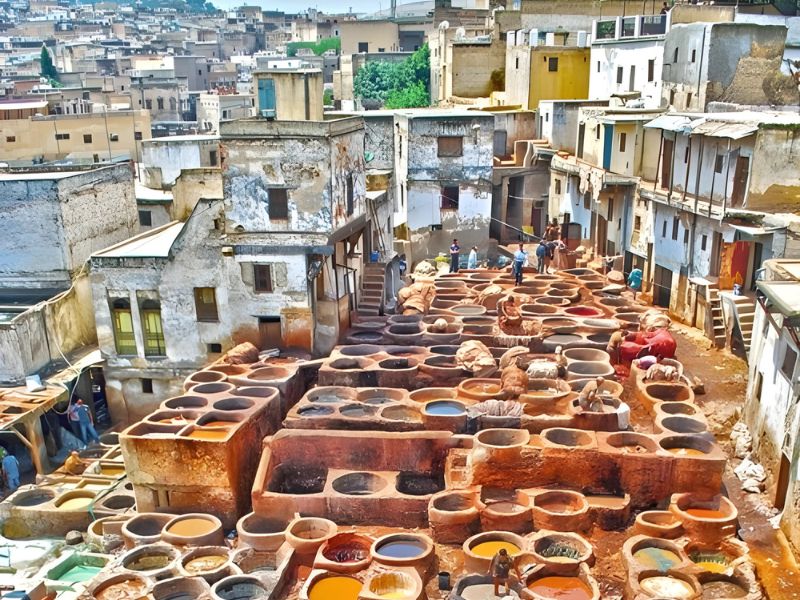
Discover Fez: A Journey Through Morocco’s Rich History
Fez, Morocco’s oldest imperial city, invites travelers to experience its rich history and vibrant culture. Founded in the 8th century, it rose as a key religious and intellectual hub, notable for its UNESCO-listed Medina, diverse souks, and historical sites like Al-Qarawiyyin Mosque. With its enchanting labyrinthine streets and unique crafts, Fez remains a treasure trove…
-
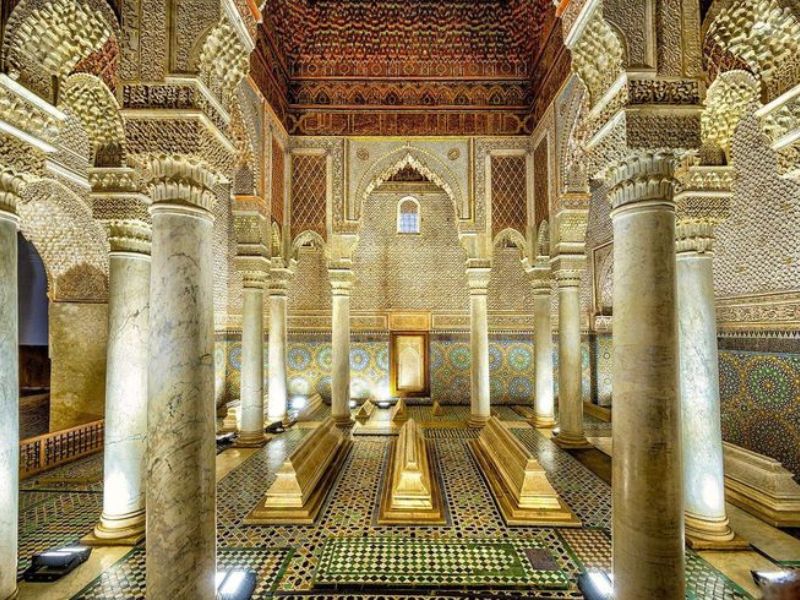
Discover the Saadian Tombs: Marrakesh’s Hidden Gem
Marrakesh is rich in history, notably through the Saadian Tombs, which provide a glimpse into the influential Saadian Dynasty. This era, marked by significant cultural and architectural achievements, emerged in the 16th century, culminating in exquisite mausoleums. Rediscovered in 1917, these tombs now serve as a serene testament to Morocco’s vibrant past.
-

Explore the Tranquil Menara Gardens in Marrakesh
The Menara Gardens in Marrakesh, established in the 12th century, showcase Moroccan architecture and agricultural ingenuity, featuring a unique irrigation system. Renowned for their central pond, olive groves, and picturesque pavilions, the gardens provide a serene escape from the city. They are a must-visit for cultural and nature enthusiasts.
-
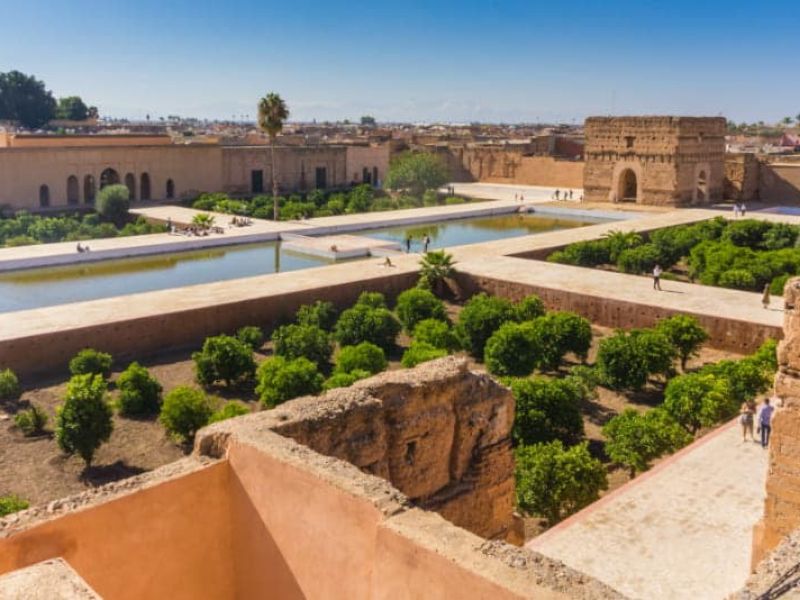
🏛️Explore the Badi Palace: A Cultural Gem in Marrakech
The Badi Palace in Marrakesh, built by Sultan Ahmad al-Mansur in the late 16th century, exemplifies Morocco’s rich cultural heritage and architectural beauty. Featuring intricate designs and lush gardens, it attracts global visitors. Today, restoration efforts preserve its historical significance, making it a must-visit site for tourists.
