
Tag: Historical sites
-

Top 10 Must-Experience Things for Your First Visit to Marrakech
Marrakech, known as the “Red City,” is a vibrant mix of colors, sounds, and aromas. Highlights include the lively Jemaa el-Fnaa square, intricate souks, tranquil Jardin Majorelle, and opulent Bahia Palace. Visitors can enjoy traditional hammams, Moroccan cuisine, and desert experiences in the Palmeraie. Each location offers a unique glimpse into Moroccan culture and history.
-

Explore Taourirt Kasbah: Ouarzazate’s Historical Marvel
Ouarzazate’s Kasbah Taourirt stands as a historical and architectural marvel, embodying the legacy of the powerful Glaoui family. Visitors can explore its vast, intricately designed spaces that reflect both wealth and daily life, while ongoing restorations preserve its rich heritage. Experiencing Taourirt is essential for understanding Morocco’s majestic past.
-

The Magic of Ait Benhaddou: A Must-Visit Moroccan Landmark
Ait Benhaddou, a UNESCO World Heritage site in Morocco, is a stunning fortified village renowned for its breathtaking architecture and rich history along ancient trade routes. Famous for its cinematic appearances, it features labyrinthine alleys and communal granaries. Visitors experience a timeless journey, connecting with its vibrant culture and striking landscapes.
-
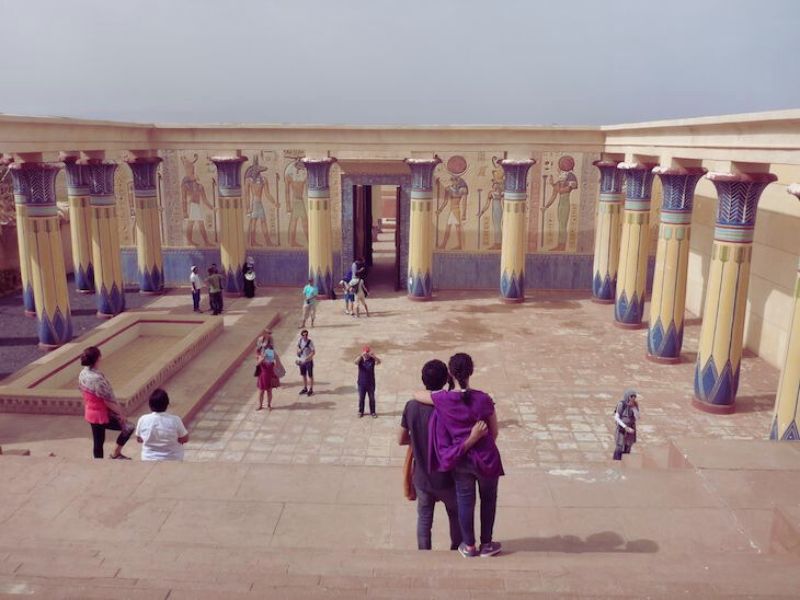
Discover Ouarzazate: Morocco’s Hollywood and Desert Gateway
Ouarzazate, known as the “Hollywood of Africa,” is a captivating city in Morocco that merges rich heritage with cinematic charm. Nestled by the Atlas Mountains, it features remarkable attractions like the Kasbah Taourirt, Atlas Film Studios, and the UNESCO site Ait Benhaddou. Ouarzazate serves as a gateway to southern Morocco’s desert landscapes and adventures.
-

The Marinid Dynasty: Shaping Fez’s Cultural Renaissance
The Marinid Dynasty, emerging from the Western Sahara, succeeded the Almohads and established a golden age in Fez from the 13th to 15th centuries. Known for its architectural achievements, scholarship, and economic prosperity, the dynasty left an enduring legacy despite its decline, solidifying Fez as a major intellectual and artistic hub in Morocco.
-

Discover El Jadida: A Hidden Gem of Morocco
El Jadida, a coastal city in Morocco, blends historical intrigue with a relaxed seaside atmosphere. Known for its UNESCO World Heritage-listed Portuguese City (Cité Portugaise), El Jadida showcases Renaissance architecture, charming streets, and beautiful beaches. Visitors can explore fascinating sites like the Cistern while enjoying fresh seafood and stunning ocean views.
-
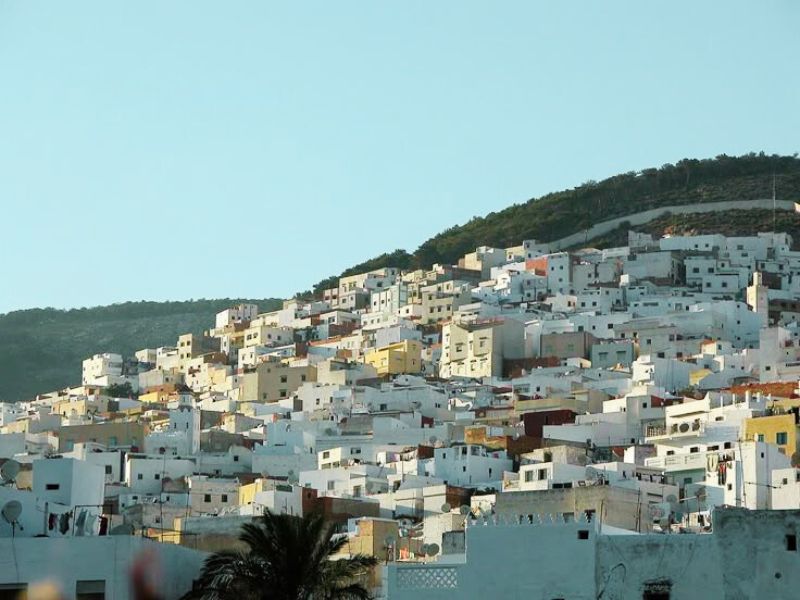
Tetouan’s Medina: Unveiling Authentic Moroccan Heritage
Tetouan’s ancient medina, a UNESCO World Heritage site, offers an intimate glimpse into Morocco’s past, shaped by Andalusian refugees. Its whitewashed buildings, historical gates, and vibrant souks create a unique atmosphere. Deeply rooted in culture, the medina invites exploration, revealing hidden gems and fostering a lively community spirit, making it a must-visit.
-

Explore Tetouan’s Archaeological Museum: A Historical Gem
The Archaeological Museum of Tetouan, inaugurated in 1940, is crucial for understanding Morocco’s ancient history. It houses artifacts from prehistoric, Phoenician, Roman, and early Islamic periods, illuminating the region’s cultural evolution. Offering a serene escape from the bustling medina, the museum enriches visitors’ appreciation of Tetouan’s heritage and its historical significance.
-

Tetouan: A Blend of Andalusian and Moroccan Culture
Tetouan, known as “The White Dove,” boasts a rich Andalusian heritage reflected in its architecture, culture, and cuisine. Established in the 15th century by Andalusian refugees, it offers a blend of Moroccan and Spanish influences. Visitors can explore its serene medina, vibrant art scene, and nearby stunning beaches, making it a unique Moroccan destination.
-

The Almoravid Dynasty: Shaping Morocco’s History
The Almoravid dynasty, emerging in the 11th century, significantly shaped Morocco’s identity by unifying fragmented tribes, promoting strict Maliki Islam, and expanding into Al-Andalus. They founded Marrakesh, a vital cultural and commercial hub, and left a profound legacy impacting political, religious, and architectural landscapes in Morocco that endures today.
