
Tag: Handmade Decor
-
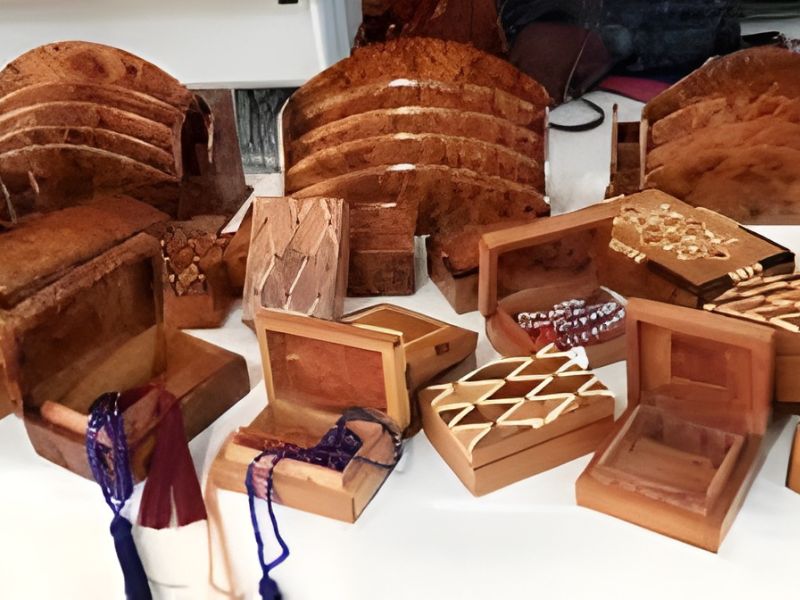
🪵 Thuya Wood: The Ancient Aromatic Craft of Essaouira
Discover the rare Thuya wood craft of Essaouira. Learn about the aromatic burl, the art of marquetry, and where to find the best master woodcarvers in Morocco.
-
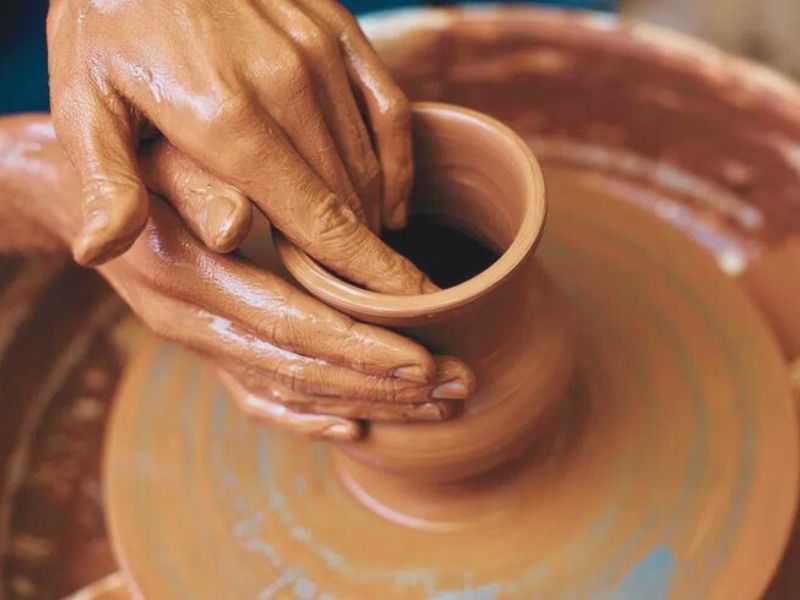
Exploring the Art of Moroccan Pottery
Moroccan pottery, with roots tracing back millennia, is a vibrant expression of culture and craftsmanship. Major centers like Fez, Safi, and Tetouan showcase unique styles and techniques. The meticulous creation process transforms local clay into functional art, reflecting centuries of history and serving both practical and aesthetic purposes in daily life.
-

Discover the Allure of Moroccan Leather Goods
Moroccan leather products are a representation of the country’s rich heritage and artisanal skill. From babouche slippers to intricately designed poufs, each item showcases unique craftsmanship and natural materials. The traditional tanning methods create exceptional quality leather, enchanting travelers and style enthusiasts alike while preserving cultural heritage through these unique treasures.
-
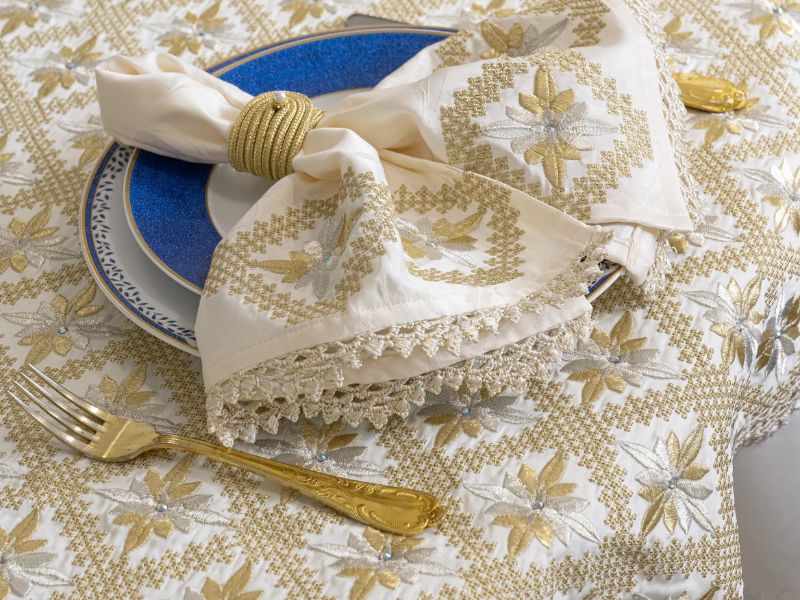
🧶Rabat Embroidery: A Timeless Art of Tradition and Modernity
Rabat embroidery, an ancient Moroccan art form influenced by Andalusian culture, reflects the nation’s rich heritage. Originating in the 17th century, it showcases two styles: Old Rabat with intricate silk patterns and Modern Embroidery featuring organic motifs. This craft is vital to Morocco’s intangible cultural heritage and is crucial for preserving traditional artistry.
-

🪡Empowering Women Through Azemmour Craft Traditions
Azemmour, Morocco is known for its traditional embroidery, a symbol of the city’s culture and heritage, preserved largely by local women. Originating possibly in the 17th century, it includes designs inspired by both merchants and religious educators. Cooperatives like “Oum Rabii” work to empower women and sustain this artistic legacy.
-

🧵Tetouan’s Hidden Treasure: Traditional Embroidery
Embroidery in Tetouan has deep historical roots, shaped by Andalusian expatriates and influences from Balkan and Oriental traditions. Unique styles like “Taajira” showcase Moorish designs. Traditional techniques use silk and gold threads on finely crafted textiles. Master artisans continue to transmit skills at cultural centers like Dar Sanaa, focusing on women’s empowerment.
-

🧵The Timeless Tradition of Moroccan Fez Embroidery
Fez embroidery, a cherished Moroccan tradition, showcases intricate designs and vibrant colors, reflecting the cultural exchange in the historic city of Fez. Combining artistry, creativity, and various techniques, this embroidery adorns clothing and home decor. It represents Morocco’s rich heritage and continues to thrive, captivating art lovers worldwide.
