
Tag: Handicraft
-

Discovering Safi: A Hidden Gem on Morocco’s Atlantic Coast
Safi, a dynamic port city on Morocco’s Atlantic coast, combines a rich Portuguese history with its vibrant fishing industry and renowned ceramics. It offers authentic experiences through its pottery quarter, historic Sea Castle, bustling port, and popular surf spots like Sidi Bouzid. Safi embodies Moroccan charm and deserves exploration beyond typical tourist trails.
-
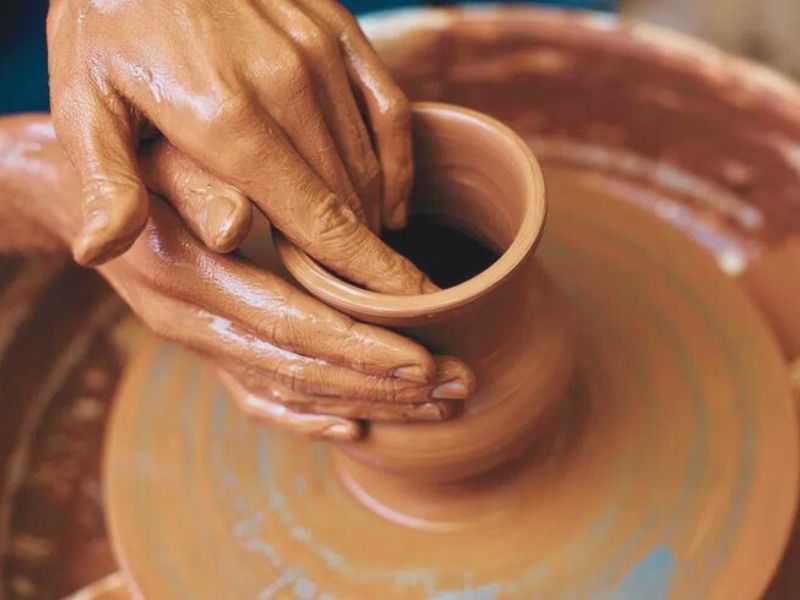
Exploring the Art of Moroccan Pottery
Moroccan pottery, with roots tracing back millennia, is a vibrant expression of culture and craftsmanship. Major centers like Fez, Safi, and Tetouan showcase unique styles and techniques. The meticulous creation process transforms local clay into functional art, reflecting centuries of history and serving both practical and aesthetic purposes in daily life.
-

Discover the Allure of Moroccan Leather Goods
Moroccan leather products are a representation of the country’s rich heritage and artisanal skill. From babouche slippers to intricately designed poufs, each item showcases unique craftsmanship and natural materials. The traditional tanning methods create exceptional quality leather, enchanting travelers and style enthusiasts alike while preserving cultural heritage through these unique treasures.
-
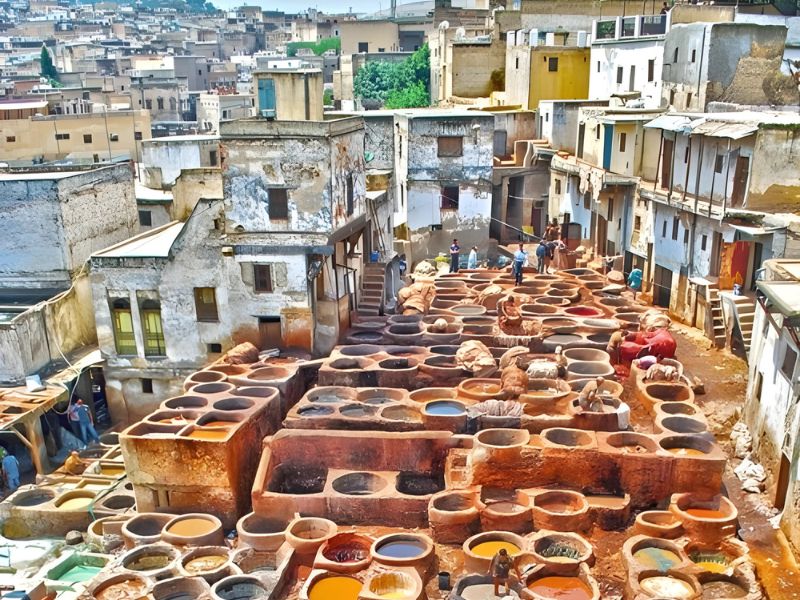
Discover Fez: A Journey Through Morocco’s Rich History
Fez, Morocco’s oldest imperial city, invites travelers to experience its rich history and vibrant culture. Founded in the 8th century, it rose as a key religious and intellectual hub, notable for its UNESCO-listed Medina, diverse souks, and historical sites like Al-Qarawiyyin Mosque. With its enchanting labyrinthine streets and unique crafts, Fez remains a treasure trove…
-

Discover Casablanca: A Blend of Culture and Architecture
Casablanca, Morocco’s largest city, features a unique blend of rich history, vibrant culture, and stunning architecture. Known for its French colonial influences and traditional Moroccan charm, visitors can explore attractions like the Hassan II Mosque, Old Medina, and enjoy fantastic cuisine. Its welcoming atmosphere makes Casablanca a captivating destination for travelers.
-

🐒The Magic of Jemaa el-Fnaa: Marrakesh’s Heartbeat
Jemaa el-Fna, located in Marrakesh’s old medina, is a vibrant public square rich in history, recognized by UNESCO for its cultural significance, offering diverse performances, cuisine, and a unique communal atmosphere.
-
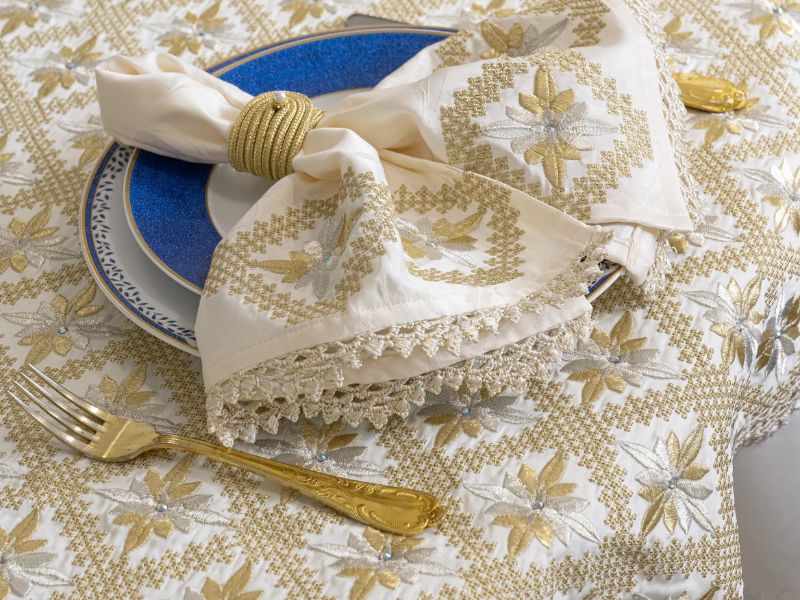
🧶Rabat Embroidery: A Timeless Art of Tradition and Modernity
Rabat embroidery, an ancient Moroccan art form influenced by Andalusian culture, reflects the nation’s rich heritage. Originating in the 17th century, it showcases two styles: Old Rabat with intricate silk patterns and Modern Embroidery featuring organic motifs. This craft is vital to Morocco’s intangible cultural heritage and is crucial for preserving traditional artistry.
-

🪡Empowering Women Through Azemmour Craft Traditions
Azemmour, Morocco is known for its traditional embroidery, a symbol of the city’s culture and heritage, preserved largely by local women. Originating possibly in the 17th century, it includes designs inspired by both merchants and religious educators. Cooperatives like “Oum Rabii” work to empower women and sustain this artistic legacy.
-

🧵Tetouan’s Hidden Treasure: Traditional Embroidery
Embroidery in Tetouan has deep historical roots, shaped by Andalusian expatriates and influences from Balkan and Oriental traditions. Unique styles like “Taajira” showcase Moorish designs. Traditional techniques use silk and gold threads on finely crafted textiles. Master artisans continue to transmit skills at cultural centers like Dar Sanaa, focusing on women’s empowerment.
-

🧵Moroccan embroidery: rich culturel heritage
Moroccan embroidery is a vital textile art that reflects the country’s rich cultural heritage, showcasing regional diversity and craftsmanship. It holds deep significance in rituals and community identity, while supporting local economies and preserving traditional techniques. This ancient craft continues to evolve, embodying both history and modernity in fashion.
