
Tag: Fez
-

Discover the Allure of Moroccan Leather Goods
Moroccan leather products are a representation of the country’s rich heritage and artisanal skill. From babouche slippers to intricately designed poufs, each item showcases unique craftsmanship and natural materials. The traditional tanning methods create exceptional quality leather, enchanting travelers and style enthusiasts alike while preserving cultural heritage through these unique treasures.
-

Explore the Enchanting Medersa al-Attarine in Fez
The Medersa al-Attarine, a 14th-century Islamic school in Fez, exemplifies Marinid architecture and artistic craftsmanship. With intricate tilework, cedarwood carvings, and serene courtyards, it offers insight into Morocco’s intellectual history. Its proximity to the spice souk enhances the experience, blending beauty, learning, and vibrant cultural life.
-
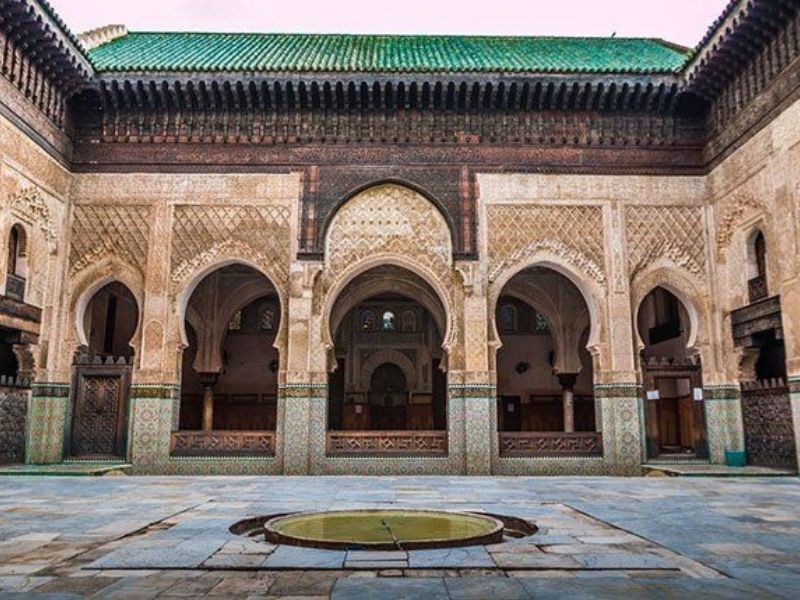
🏫Discover the Medersa Bou Inania: A Jewel in Fez’s Medina
The Medersa Bou Inania, built between 1350 and 1355 by Sultan Abu Inan Faris in Fez, exemplifies Marinid architecture. It serves as a historic Islamic school with intricate Zellij tilework, cedarwood carvings, and stucco details. Accessible to non-Muslims, it highlights Fez’s cultural legacy and the importance of education. Visitors experience its beauty and connection to…
-

🏛️ Exploring Al-Qarawiyyin: The Oldest University in the World
Discover the Al-Qarawiyyin Mosque & University in Fez. Founded in 859 AD by Fatima al-Fihri, explore the history and architecture of the world’s oldest university.
-
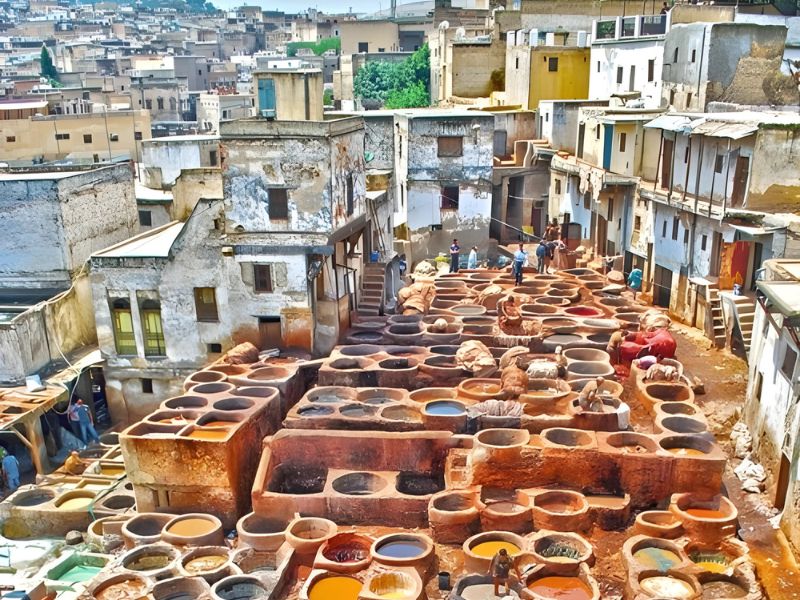
Discover Fez: A Journey Through Morocco’s Rich History
Fez, Morocco’s oldest imperial city, invites travelers to experience its rich history and vibrant culture. Founded in the 8th century, it rose as a key religious and intellectual hub, notable for its UNESCO-listed Medina, diverse souks, and historical sites like Al-Qarawiyyin Mosque. With its enchanting labyrinthine streets and unique crafts, Fez remains a treasure trove…
-

🇲🇦 Exploring Morocco’s Rich History and Culture
Embark on a journey through Morocco’s profound history, from ancient Amazigh roots to imperial empires. Explore its vibrant culture, stunning nature, and unique traditions.
-

🧵Moroccan embroidery: rich culturel heritage
Moroccan embroidery is a vital textile art that reflects the country’s rich cultural heritage, showcasing regional diversity and craftsmanship. It holds deep significance in rituals and community identity, while supporting local economies and preserving traditional techniques. This ancient craft continues to evolve, embodying both history and modernity in fashion.
-

🧵The Timeless Tradition of Moroccan Fez Embroidery
Fez embroidery, a cherished Moroccan tradition, showcases intricate designs and vibrant colors, reflecting the cultural exchange in the historic city of Fez. Combining artistry, creativity, and various techniques, this embroidery adorns clothing and home decor. It represents Morocco’s rich heritage and continues to thrive, captivating art lovers worldwide.
