
Tag: Culture
-
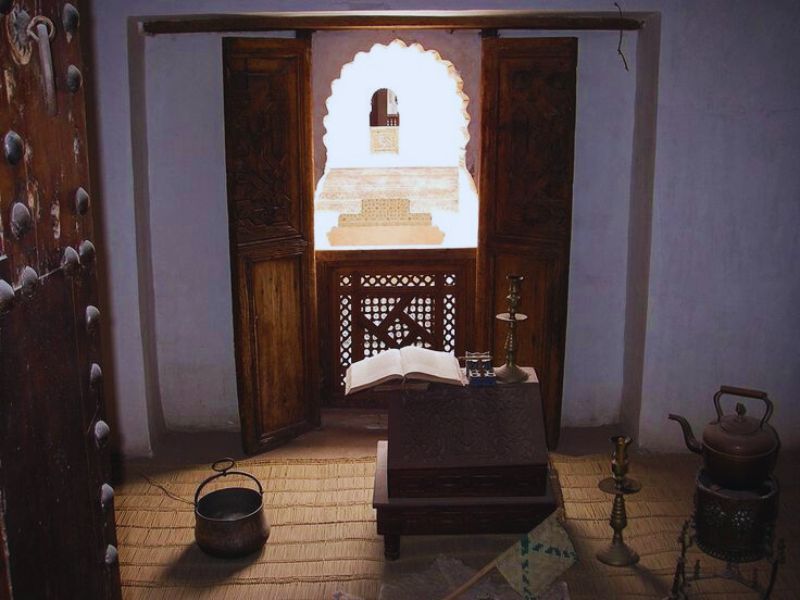
Medersa Ben Youssef: A Cultural Landmark in Marrakesh
The Medersa Ben Youssef, a 14th-century Islamic school in Marrakesh’s Medina, exemplifies Moroccan architecture and cultural heritage. Founded under Sultan Abu al-Hassan and later transformed by Sultan Abdullah Al-Ghaleb, it became a prominent intellectual hub. Its intricate tile work, carved wood, and serene courtyards attract global visitors, offering insights into Morocco’s historical and architectural richness.…
-

Discover the Kasbah of Chefchaouen: A Historical Gem
The Kasbah of Chefchaouen, built in 1471, is a significant historical fortress reflecting Morocco’s rich past and cultural heritage. Nestled in the blue city, it features stunning architecture, landscaped gardens, and a museum. The site offers picturesque views and serves as a must-visit destination for history and culture enthusiasts.
-
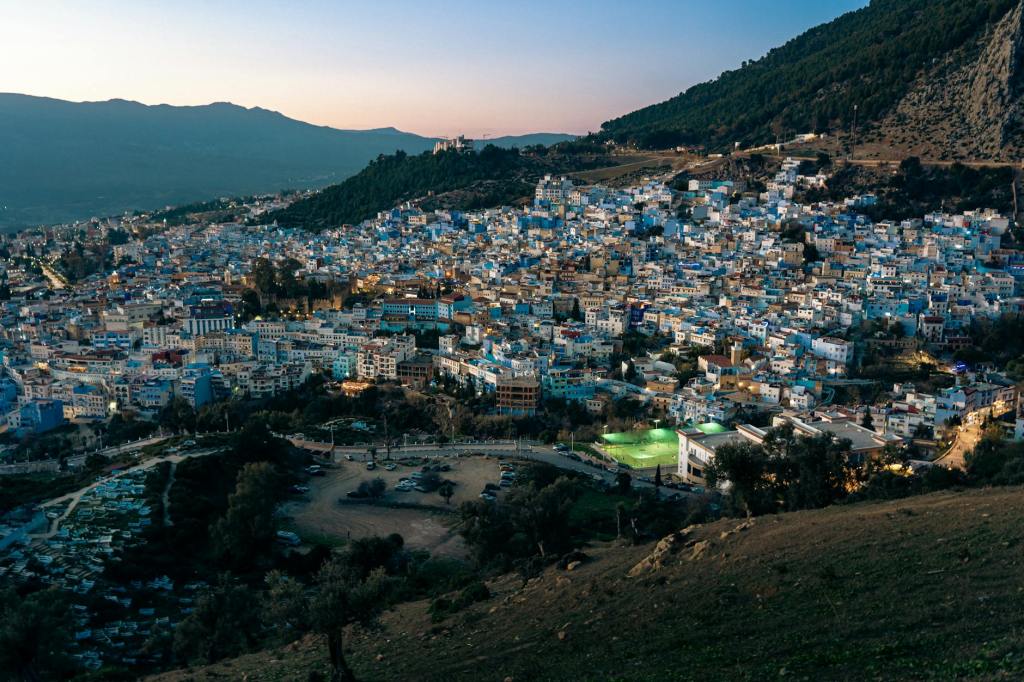
Explore Chefchaouen: Morocco’s Enchanting Blue Gem
Chefchaouen, known as the blue city, is a captivating destination in Morocco’s Rif Mountains, offering a blend of natural beauty, rich history, and diverse cultures. Established in the 15th century, it features stunning blue-painted buildings, scenic hiking trails, and vibrant local culture. It’s a perfect spot for tranquility and inspiration.
-

Visit the Stunning Kasbah Museum in Tangier
The Kasbah Museum in Tangier, housed in an 18th-century palace, is a vital cultural site showcasing Moroccan art, history, and artifacts. Visitors can explore its stunning architecture and diverse collections, which include ceramics, textiles, and archaeological finds. The museum offers insights into Tangier’s heritage, making it essential for enthusiasts of art and history.
-

Explore the Historic Medina of Tangier: A Cultural Journey
The Medina of Tangier, a historic walled city in Morocco, dates back to the 5th century BC. It has a rich heritage influenced by various cultures, including Phoenician, Roman, Arabic, and Portuguese. Today, it features narrow streets, vibrant markets, and stunning architecture, making it an essential destination for cultural exploration.
-
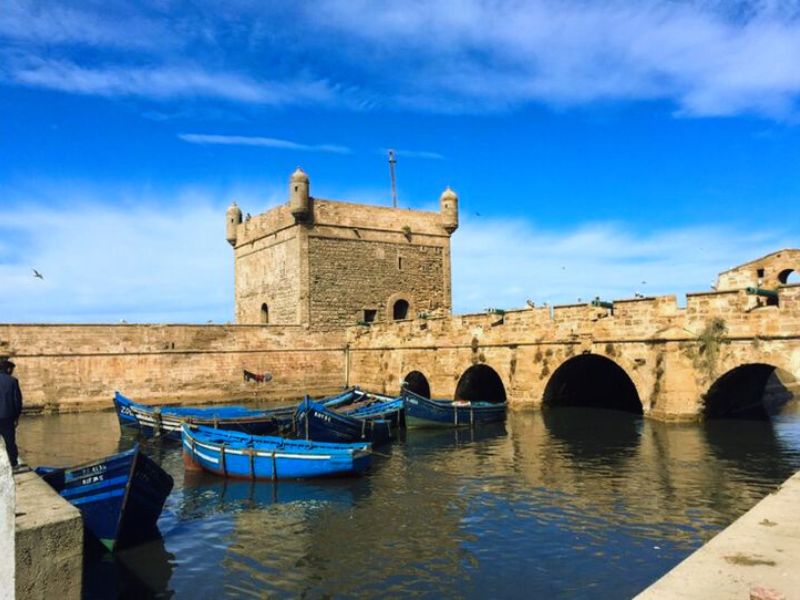
Discover Essaouira’s Skalla de la Ville: A Historic Fortification
The Skalla de la Ville is an 18th-century fortification in Essaouira, Morocco, built under Sultan Mohammed III. It protected the town from pirates and European invaders, showcasing its strategic importance. Visitors can explore its architecture, enjoy panoramic views, and learn about its rich cultural heritage, making it a significant historical landmark.
-

🏖️Explore Essaouira: A Coastal Gem in Morocco
Essaouira, a captivating coastal town on Morocco’s Atlantic coast, combines rich history, vibrant culture, and natural beauty. Founded in the 18th century, it features UNESCO-listed architecture, bustling markets, and a unique blend of cultures. Visitors can explore its Medina, enjoy Gnawa music, and partake in various beach and culinary activities.
-
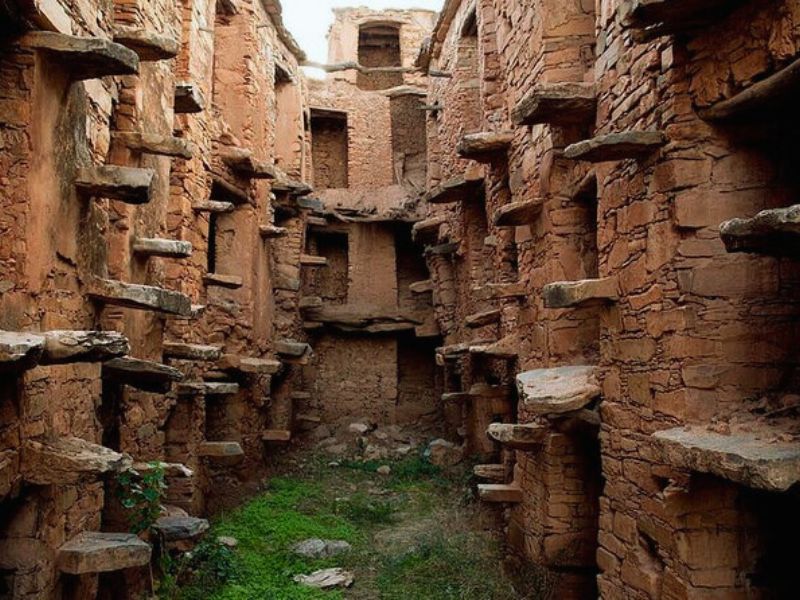
Exploring Morocco’s Ancient Granaries: A Cultural Treasure
Morocco’s ancient granaries, or “agadirs,” reflect the ingenuity of the Amazigh/Berber communities, particularly in the Atlas Mountains. Notable examples include Igoudar and Agadir Imchguilen, which played crucial roles in trade and local economy while serving as cultural symbols. Preservation efforts ensure these historical structures remain significant for future generations.
-
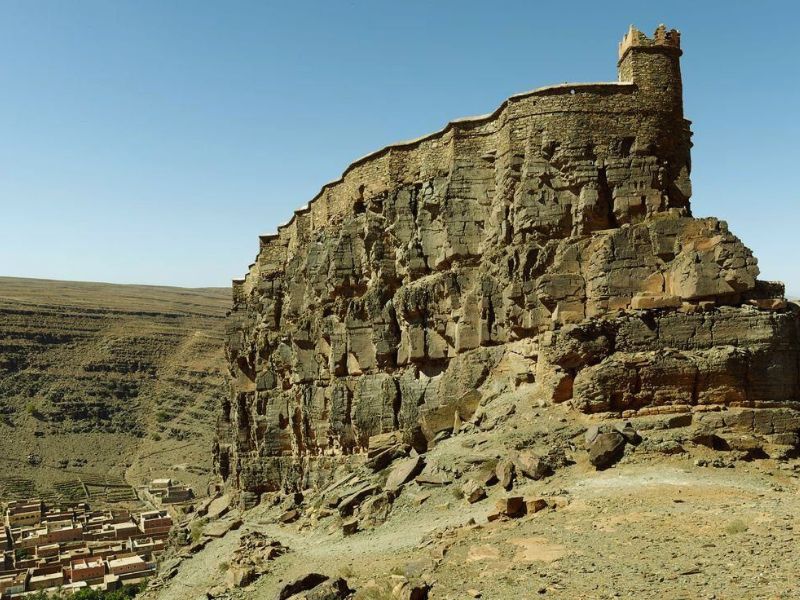
Exploring Igoudar: Morocco’s Ancient Granary
Igoudar, an ancient granary in Morocco’s Souss Massa region, reflects the country’s rich history and architectural heritage. Dating back over 1,000 years, its design showcases local materials and environmental adaptation. Igoudar symbolizes community cooperation and is critical for food security. Preservation efforts aim to maintain its cultural significance for future generations.
-
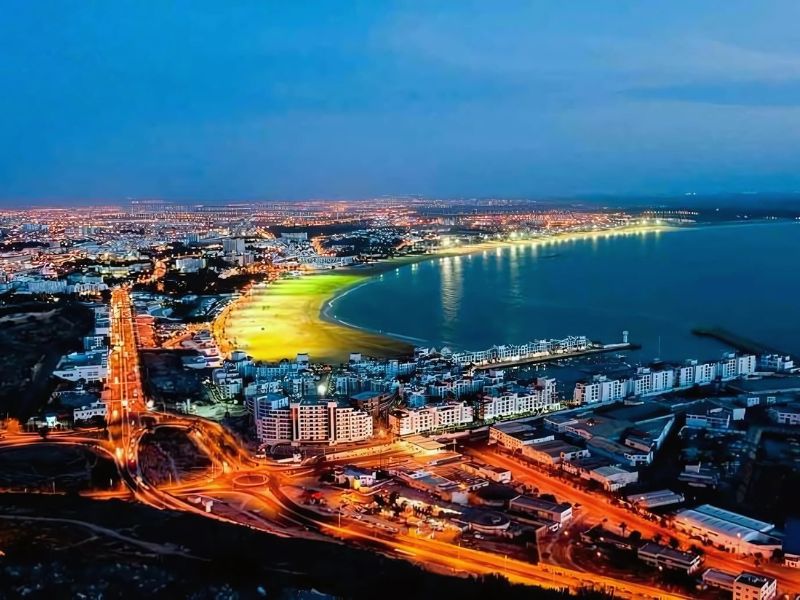
🌞Discover Agadir: A Gem on Morocco’s Atlantic Coast
Agadir, a vibrant coastal city in Morocco, combines natural beauty with urban amenities. Known for its stunning beaches, rich history, and Amazigh culture, it offers diverse activities like water sports, local cuisine, and cultural events. A great base for regional exploration, Agadir is ideal for relaxation and adventure year-round.
