
Tag: Art & Culture
-
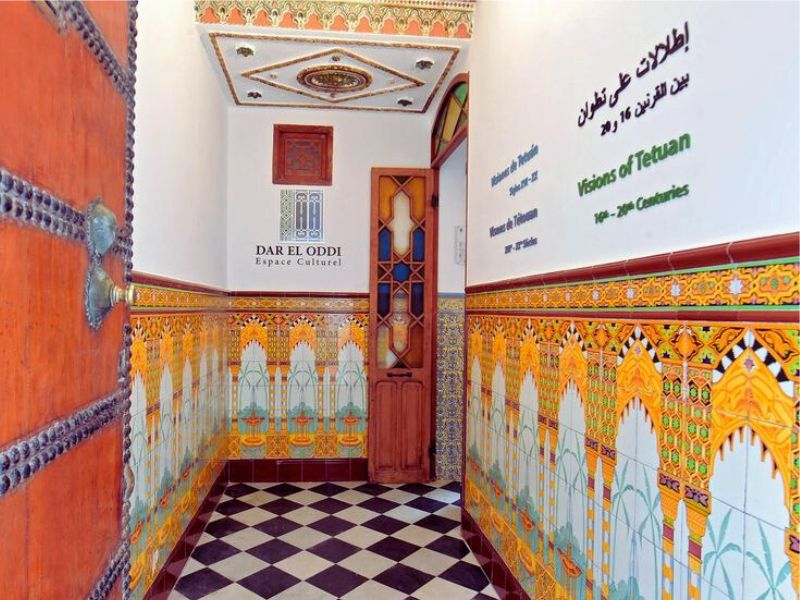
Discover Tetouan’s Ethnographic Museum: A Cultural Treasure
The Ethnographic Museum of Tetouan, also known as Dar El-Oddi, offers an intimate glimpse into the daily lives and traditions of Tetouanis through its rich collection. Housed in a beautifully preserved traditional home, the museum features traditional costumes, artisan tools, and household scenes, showcasing the region’s vibrant culture and heritage.
-
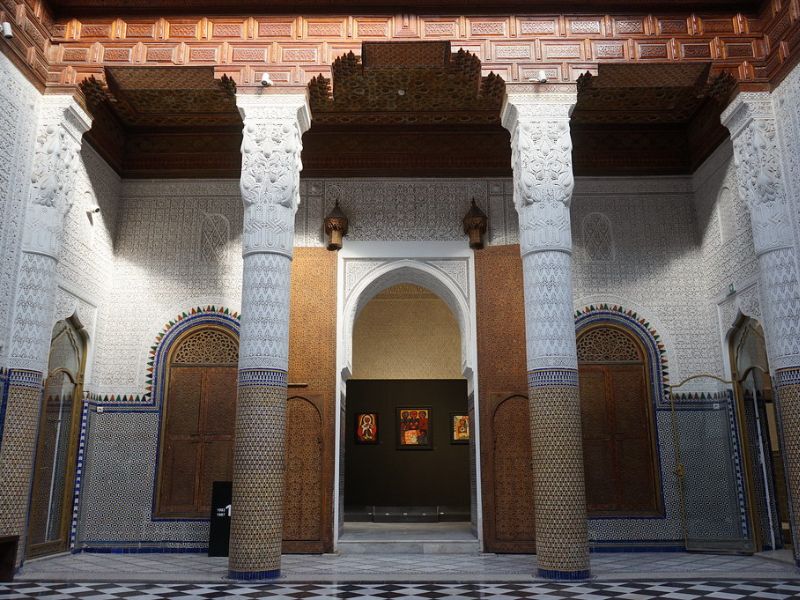
Discover Dar El Bacha: A Cultural Gem in Marrakesh
Marrakesh’s Dar El Bacha – Musée des Confluences, a former palace, offers a serene escape from the bustling souks, showcasing Morocco’s rich cultural dialogue. The museum promotes understanding through diverse exhibitions, stunning architecture, and tranquil courtyards. Visitors can enjoy exquisite coffee while exploring the historical significance and unique identity shaped by various cultural influences.
-
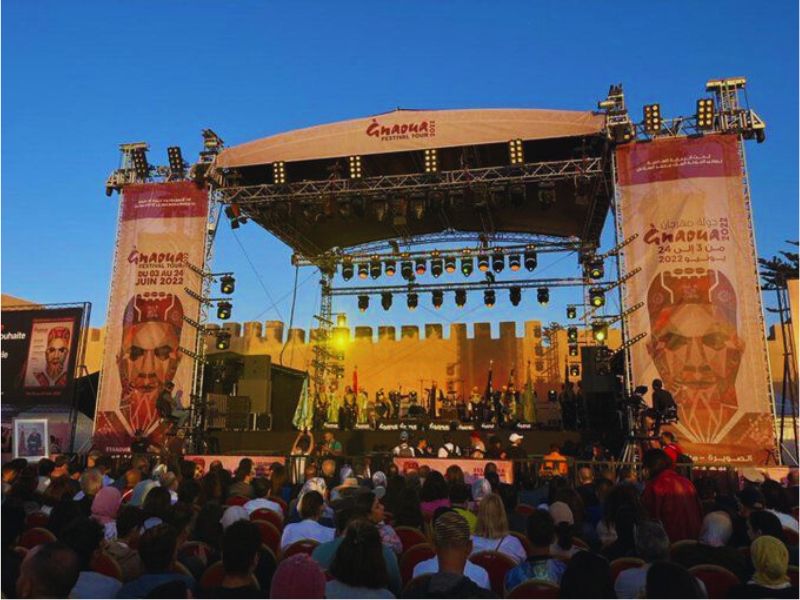
Discover the Soul of Gnawa Music in Essaouira
Gnawa music, an ancient and spiritual tradition from Morocco, embodies a blend of African and Islamic influences. Centered in Essaouira, the annual Gnaoua and World Music Festival celebrates this unique genre, featuring vibrant performances and cultural exchanges. The festival promotes unity and highlights Gnawa music’s vital role in the community’s identity and healing.
-

Discovering Tbourida: Morocco’s Equestrian Heritage
Tbourida, or “Cavalry Fantasy,” is a vibrant Moroccan equestrian performance symbolizing national pride and cultural identity. Originating from ancient military traditions, it represents bravery and community. Each synchronized charge showcases riders’ skill, deep horse bonds, and artistic discipline, preserving Morocco’s rich equestrian heritage and connecting modern Moroccans to their ancestral glory.
-
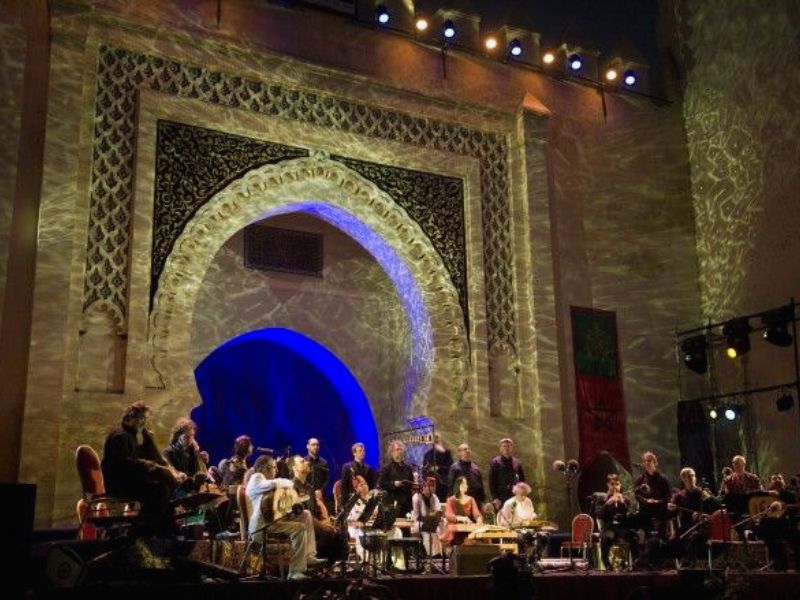
Explore the Fes World Sacred Music Festival
The Fes World Sacred Music Festival in Morocco transforms the city into a vibrant hub of spirituality and cultural exchange. Celebrating diverse musical traditions, it offers introspective performances, enlightening discussions, and immersive cultural experiences. This ten-day festival continues to resonate, inviting travelers to engage with its unique harmonies and global connections each year.
-
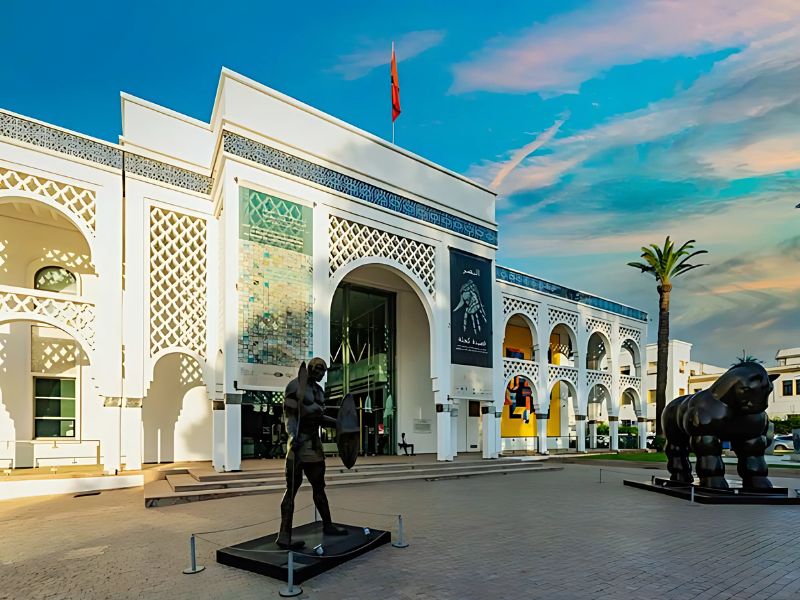
Exploring The Mohammed VI Museum in Rabat
The Mohammed VI Museum of Modern and Contemporary Art in Rabat, Morocco, established in 2014, promotes Moroccan art and culture. The modern architectural masterpiece houses nearly 400 works by notable Moroccan artists and hosts international exhibitions. It offers various visitor facilities and is a vital cultural destination for art enthusiasts.
-
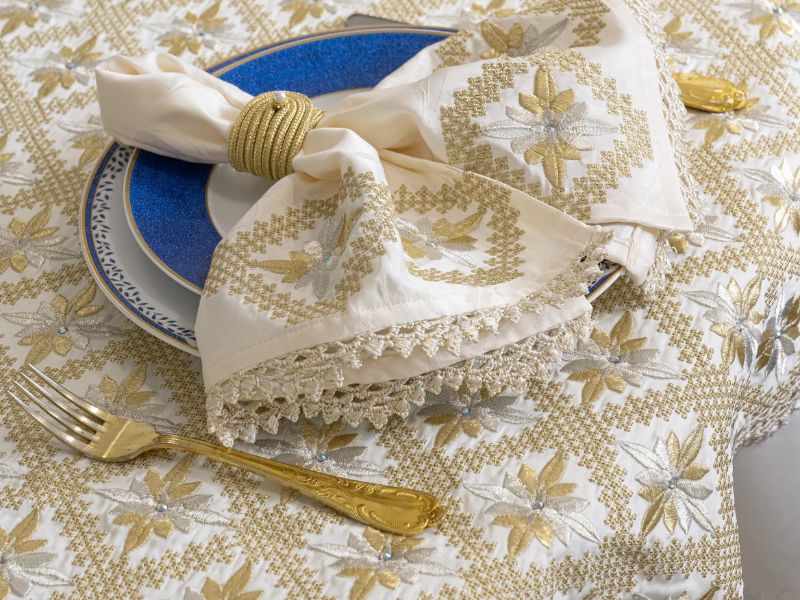
🧶Rabat Embroidery: A Timeless Art of Tradition and Modernity
Rabat embroidery, an ancient Moroccan art form influenced by Andalusian culture, reflects the nation’s rich heritage. Originating in the 17th century, it showcases two styles: Old Rabat with intricate silk patterns and Modern Embroidery featuring organic motifs. This craft is vital to Morocco’s intangible cultural heritage and is crucial for preserving traditional artistry.
-

🪡Empowering Women Through Azemmour Craft Traditions
Azemmour, Morocco is known for its traditional embroidery, a symbol of the city’s culture and heritage, preserved largely by local women. Originating possibly in the 17th century, it includes designs inspired by both merchants and religious educators. Cooperatives like “Oum Rabii” work to empower women and sustain this artistic legacy.
-

🧵Tetouan’s Hidden Treasure: Traditional Embroidery
Embroidery in Tetouan has deep historical roots, shaped by Andalusian expatriates and influences from Balkan and Oriental traditions. Unique styles like “Taajira” showcase Moorish designs. Traditional techniques use silk and gold threads on finely crafted textiles. Master artisans continue to transmit skills at cultural centers like Dar Sanaa, focusing on women’s empowerment.
-

🧵Moroccan embroidery: rich culturel heritage
Moroccan embroidery is a vital textile art that reflects the country’s rich cultural heritage, showcasing regional diversity and craftsmanship. It holds deep significance in rituals and community identity, while supporting local economies and preserving traditional techniques. This ancient craft continues to evolve, embodying both history and modernity in fashion.
