
Tag: Architecture
-
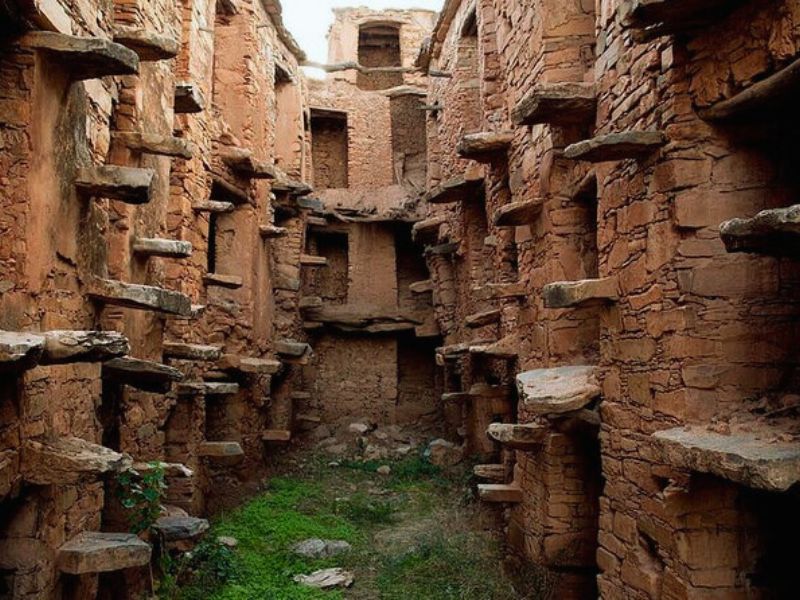
Exploring Morocco’s Ancient Granaries: A Cultural Treasure
Morocco’s ancient granaries, or “agadirs,” reflect the ingenuity of the Amazigh/Berber communities, particularly in the Atlas Mountains. Notable examples include Igoudar and Agadir Imchguilen, which played crucial roles in trade and local economy while serving as cultural symbols. Preservation efforts ensure these historical structures remain significant for future generations.
-
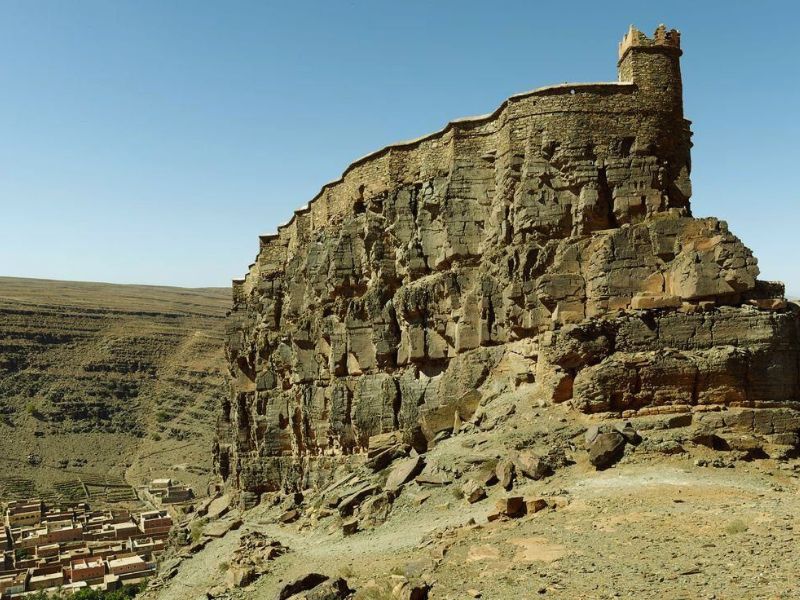
Exploring Igoudar: Morocco’s Ancient Granary
Igoudar, an ancient granary in Morocco’s Souss Massa region, reflects the country’s rich history and architectural heritage. Dating back over 1,000 years, its design showcases local materials and environmental adaptation. Igoudar symbolizes community cooperation and is critical for food security. Preservation efforts aim to maintain its cultural significance for future generations.
-
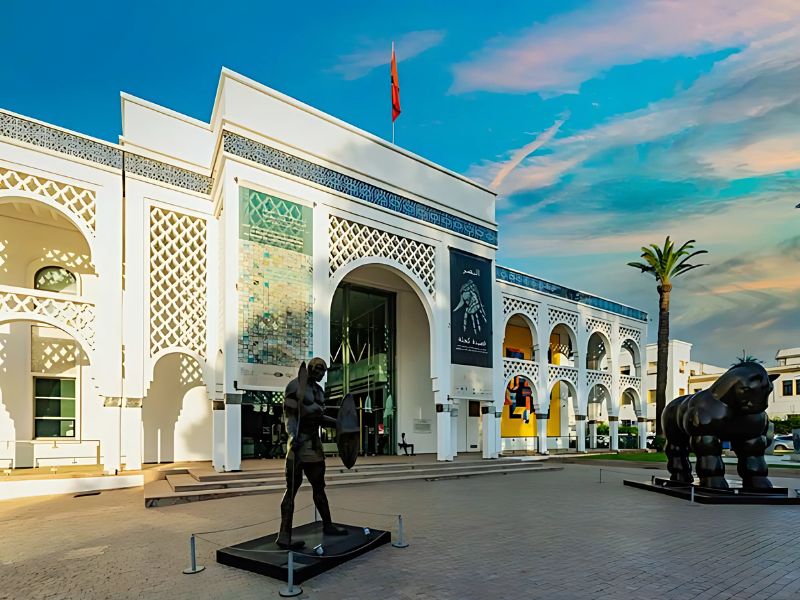
Exploring The Mohammed VI Museum in Rabat
The Mohammed VI Museum of Modern and Contemporary Art in Rabat, Morocco, established in 2014, promotes Moroccan art and culture. The modern architectural masterpiece houses nearly 400 works by notable Moroccan artists and hosts international exhibitions. It offers various visitor facilities and is a vital cultural destination for art enthusiasts.
-
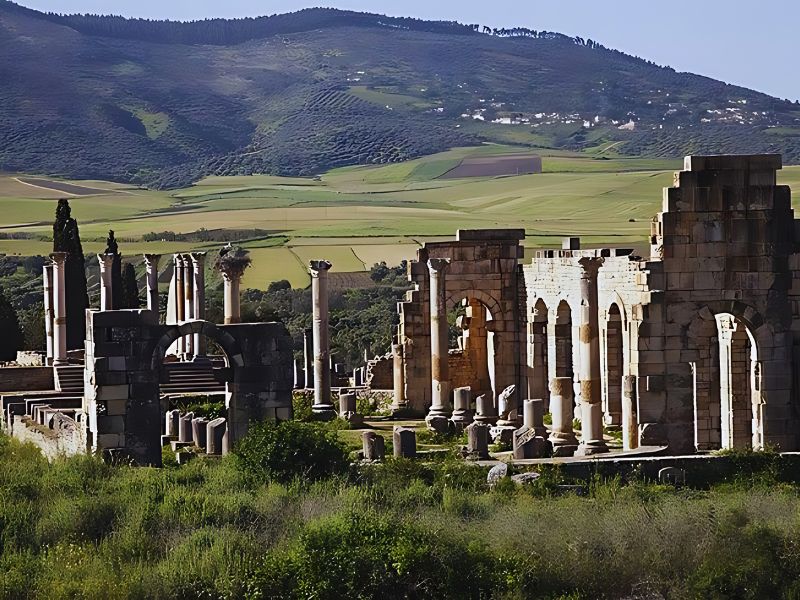
Discover Volubilis: A Journey Through Ancient Roman History
Volubilis, an ancient Roman city near Meknes, Morocco, showcases impressive ruins and a rich history dating back to the Phoenicians in the 3rd century BC. Known for its architecture and intricate mosaics, Volubilis blends Roman and Amazigh cultures. Today, it attracts tourists, offering insights into its historical and cultural significance.
-
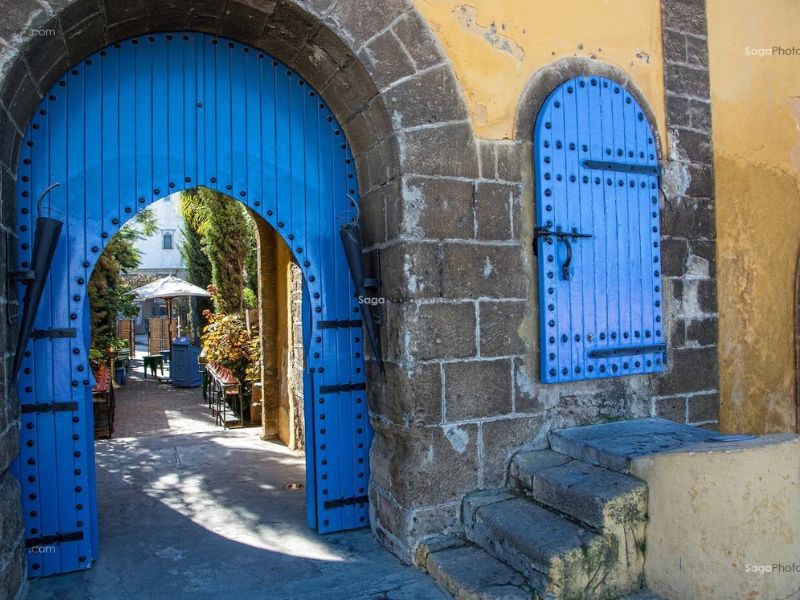
Explore the Historic Sqala: A Culinary Gem in Casablanca
The Sqala, an 18th-century fortress in Casablanca’s ancient Medina, has been restored into a restaurant and cafe. Originally built for defense, it showcases traditional Moroccan architecture with thick walls and intricate tile work. The establishment offers a unique dining experience featuring Moroccan dishes while highlighting cultural heritage and hospitality, attracting food enthusiasts and history lovers…
-

Explore the Historic Medina of Rabat: A Cultural Gem
The Medina of Rabat, a UNESCO World Heritage Site founded in the 12th century, showcases Morocco’s rich cultural heritage through its architecture and traditions. Featuring narrow streets, traditional riads, and beautiful mosques, it offers vibrant markets and historical landmarks. A must-visit, it embodies a unique blend of history and culture.
-

Explore Casablanca’s Historic Habous Neighborhood
Habous, a historic neighborhood in Casablanca, Morocco, showcases a blend of traditional architecture and French influence, known as the “New Medina.” Established during the colonial era, it features narrow streets, intricately tiled buildings, and beautiful mosques. A cultural hub, it offers markets, libraries, and opportunities to explore authentic Moroccan heritage.
-

Explore the Old Medina of Casablanca: A Cultural Gem
The Old Medina in Casablanca, Morocco, is a historic neighborhood rich in culture, architecture, and cuisine. Dating back to the 18th century, it features narrow streets, bustling markets, and significant landmarks like the Old Medina Mosque and Mohammed V Square. Visitors can enjoy traditional Moroccan dishes while immersing themselves in the vibrant local atmosphere.
-
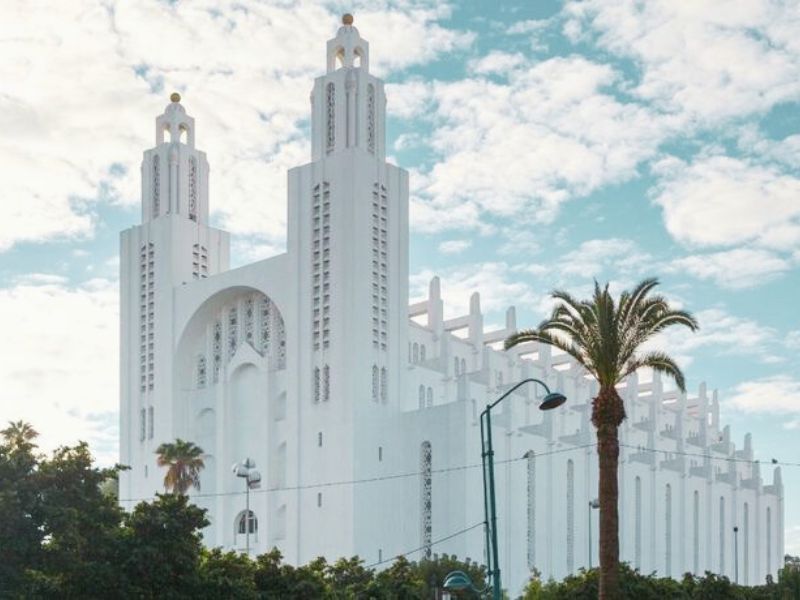
Exploring the Casablanca Cathedral: History and Heritage
The Casablanca Cathedral, known as Église du Sacré-Cœur, is a stunning architectural landmark in Casablanca, Morocco. Built between 1930 and 1953 during the French protectorate, it blends Art Deco and Neo-Gothic styles. Though abandoned post-independence, recent restorations have transformed it into a cultural center, hosting events and exhibitions. Visitors can explore its intricate design and…
-

Discover Casablanca: A Blend of Culture and Architecture
Casablanca, Morocco’s largest city, features a unique blend of rich history, vibrant culture, and stunning architecture. Known for its French colonial influences and traditional Moroccan charm, visitors can explore attractions like the Hassan II Mosque, Old Medina, and enjoy fantastic cuisine. Its welcoming atmosphere makes Casablanca a captivating destination for travelers.
