
Category: Places to go
-

🏜️ Adventure Awaits: Discover the Magic of the Sahara
The Moroccan Sahara is a stunning region characterized by diverse landscapes, including towering dunes, rocky plateaus, and lush oases. It offers unique cultural experiences, a rich Sahrawi-Hassani heritage, and breathtaking stargazing. The best times to visit are spring and autumn, with careful packing advised for temperature variations.
-
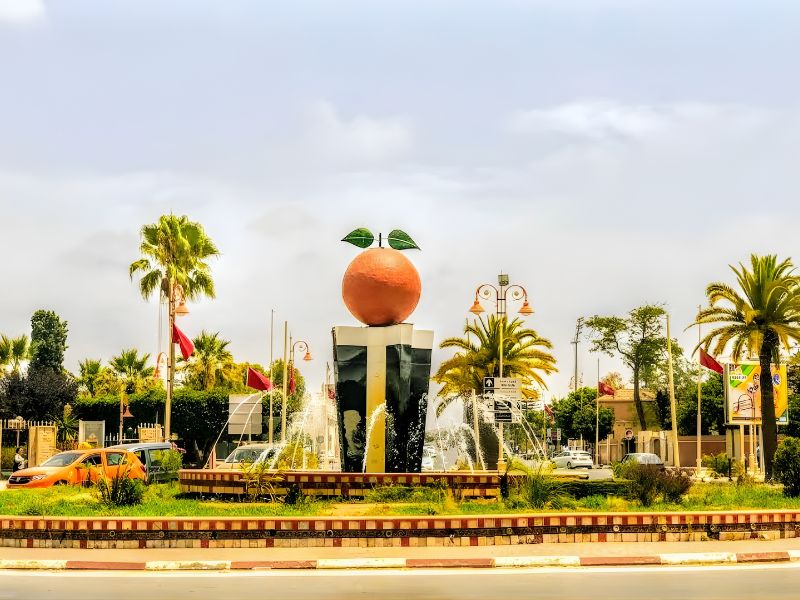
Berkane: The Citrus Capital and Gateway to the Beni Snassen Mountains
Berkane City, known as Morocco’s “Citrus Capital,” is a vibrant hub of culture and agriculture in the Oriental region. Rich in Amazigh history, it serves as a gateway to the Beni Snassen Mountains, blending traditional and modern life. The local economy relies heavily on citrus production, particularly oranges and Nadorcott mandarins.
-
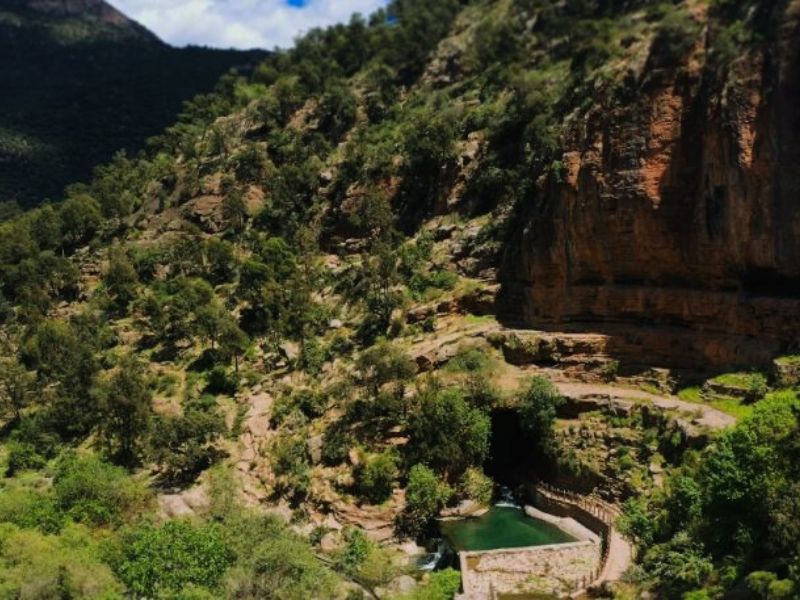
Discover the Moroccan East: Your Complete 2-Day Guide to Tafoughalt and the Beni Snassen Mountains
Escape to the Beni Snassen Mountains. Discover our 2-day guide to Tafoughalt: explore the Grotte des Pigeons, Zegzel Valley, and the green heart of the East.
-

The Backbone of the East: Unveiling the Majesty of Morocco’s Beni Snassen Mountains
The Beni Snassen Mountains in Morocco’s Oriental region rival the famous High Atlas and Rif ranges in beauty and history. This limestone massif features lush forests, diverse wildlife, karst formations, and abundant outdoor activities. Home to the Amazigh people, it offers rich culture, unique cuisine, and dynamic music, making it a true adventure destination.
-
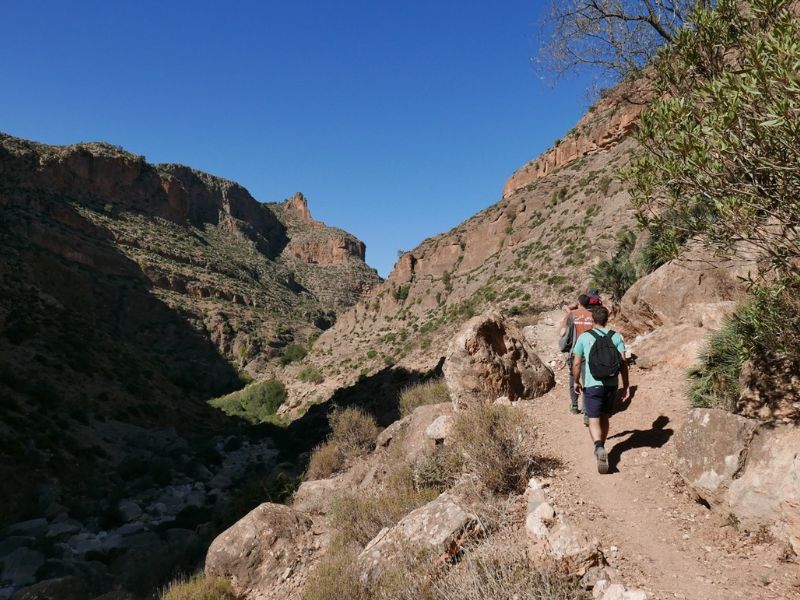
The Emerald Scar: Why Zegzel Gorge Near Tafoughalt is Morocco’s Ultimate Natural Retreat
Zegzel Gorge, located in northeastern Morocco, offers stunning natural beauty with its limestone cliffs and lush vegetation fed by the Oued Zegzel. This hidden gem is ideal for nature lovers and hikers, showcasing local agriculture and geological wonders like the Camel Cave. It’s a perfect escape from tourist crowds, especially in spring.
-
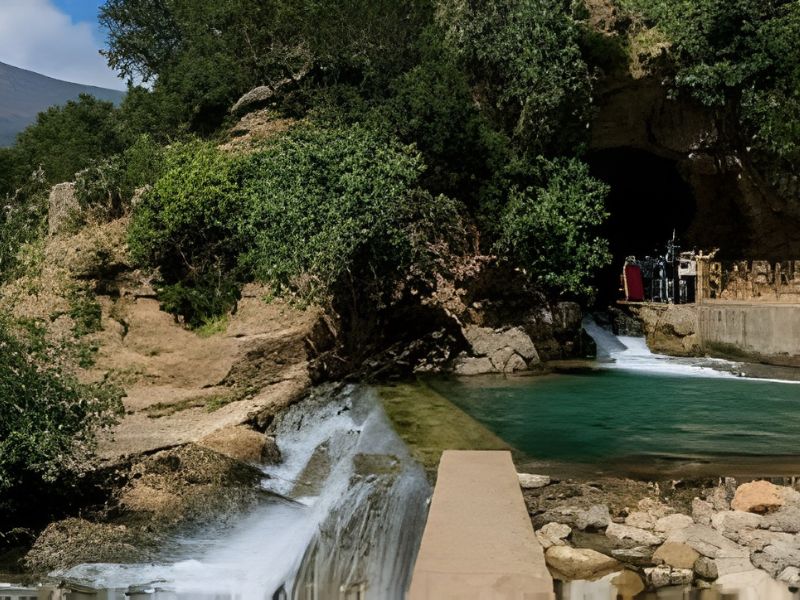
Tafoughalt: Morocco’s Green Jewel of the Beni Snassen Mountains
Tafoughalt, a serene village in the Beni Snassen Mountains, offers breathtaking landscapes and rich history. Key attractions include the Grotte des Pigeons, a prehistoric site, and extensive hiking trails. Visitors can explore olive groves, enjoy the tranquil climate, and appreciate local culture, making Tafoughalt an enriching getaway for nature lovers.
-
Sidi Ifni: Morocco’s Undiscovered Azure Gem on the Atlantic
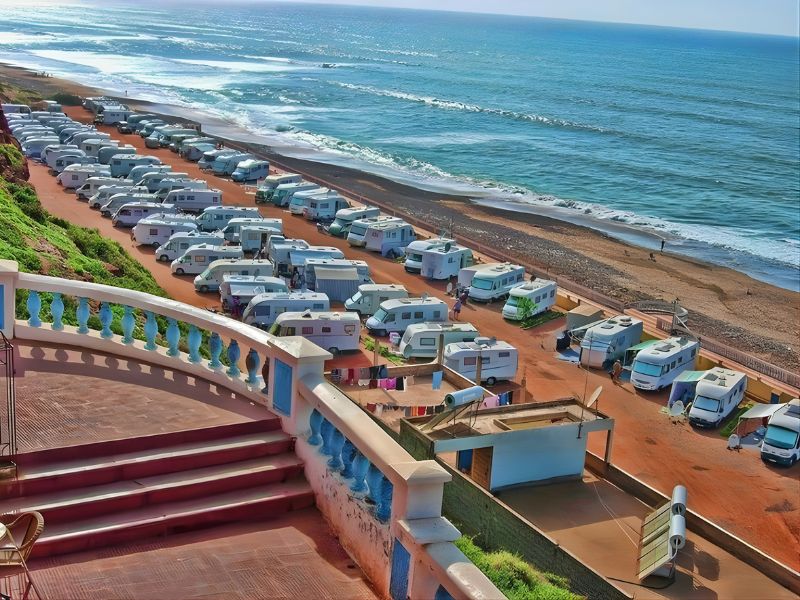
Sidi Ifni is a picturesque Moroccan town known for its Art Deco architecture and serene coastal ambiance. Once a Spanish colony, it offers visitors a peaceful escape with its captivating history, beautiful beaches, local markets, and fresh seafood. Ideal for travelers seeking authenticity and tranquility, Sidi Ifni promises unforgettable experiences.
-

Top 5 Must-Visit Cities in Morocco
Morocco boasts a stunning array of cities that blend ancient traditions and modern aesthetics. Notable destinations include Marrakech’s vibrant Jemaa el-Fnaa, Fez’s historical medina, Chefchaouen’s blue-washed charm, Essaouira’s coastal beauty, and Rabat’s elegant landmarks. Each city uniquely captivates visitors with its culture, architecture, and natural landscapes, inviting exploration.
-
Adventuring Through Morocco’s Dades Valley
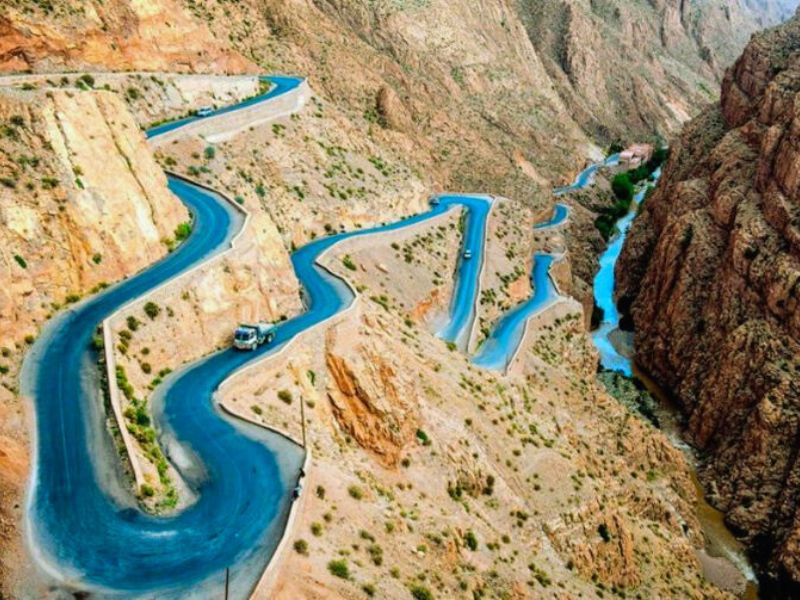
The Dades Valley, located in Morocco’s High Atlas Mountains, is renowned for its stunning landscapes and rich Berber culture. Visitors can explore iconic sites like the Dades Gorge, unique “Monkey Fingers” rock formations, ancient kasbahs, and hiking trails. Accessible from Marrakesh, it offers a captivating journey through nature and tradition.
-

Walidia: The Oyster Capital of Morocco Awaits
Walidia, a hidden gem on Morocco’s Atlantic coast, is famed for its tranquil lagoon and vibrant oyster farming. This chic village offers diverse experiences, from serene waters ideal for families to waves for surfers. Birdwatchers and nature enthusiasts will find a paradise, while seafood lovers can enjoy fresh delicacies in picturesque surroundings.
