
Category: History
-

🕊️ The Green March (1975): The Peaceful Epic That Changed Morocco’s History
The Green March, commemorated on November 6, signifies Morocco’s peaceful recovery of its Southern Provinces in 1975. Initiated by King Hassan II, this historic event saw 350,000 volunteers march with national symbols, achieving territorial integrity through non-violence. It remains a cornerstone of Moroccan identity and development initiatives today.
-
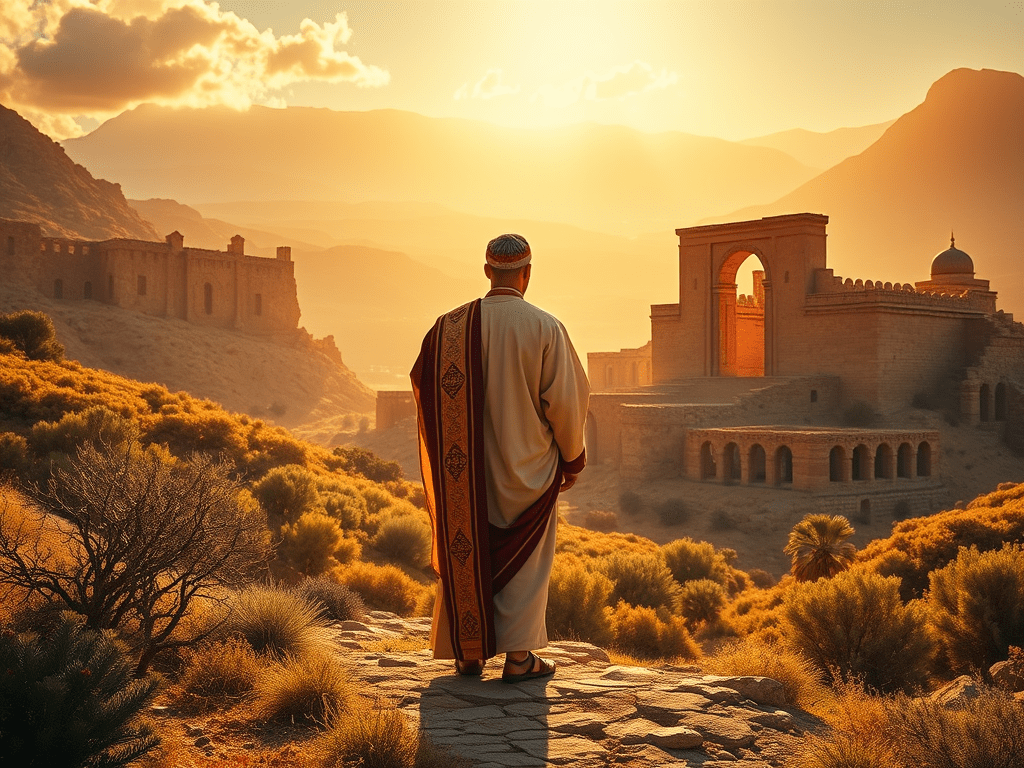
Idrissid Dynasty: The Birth of Modern Morocco
The Idrissid dynasty emerged in the late 8th century, marking Morocco’s foundation as an independent Islamic state. Led by Idriss ibn Abdallah, it unified Berber tribes and established the city of Fez, fostering a unique Arab-Berber culture. Their legacy shaped Morocco’s political autonomy, Islamic identity, and cultural richness for centuries.
-

Explore Taourirt Kasbah: Ouarzazate’s Historical Marvel
Ouarzazate’s Kasbah Taourirt stands as a historical and architectural marvel, embodying the legacy of the powerful Glaoui family. Visitors can explore its vast, intricately designed spaces that reflect both wealth and daily life, while ongoing restorations preserve its rich heritage. Experiencing Taourirt is essential for understanding Morocco’s majestic past.
-

The Magic of Ait Benhaddou: A Must-Visit Moroccan Landmark
Ait Benhaddou, a UNESCO World Heritage site in Morocco, is a stunning fortified village renowned for its breathtaking architecture and rich history along ancient trade routes. Famous for its cinematic appearances, it features labyrinthine alleys and communal granaries. Visitors experience a timeless journey, connecting with its vibrant culture and striking landscapes.
-
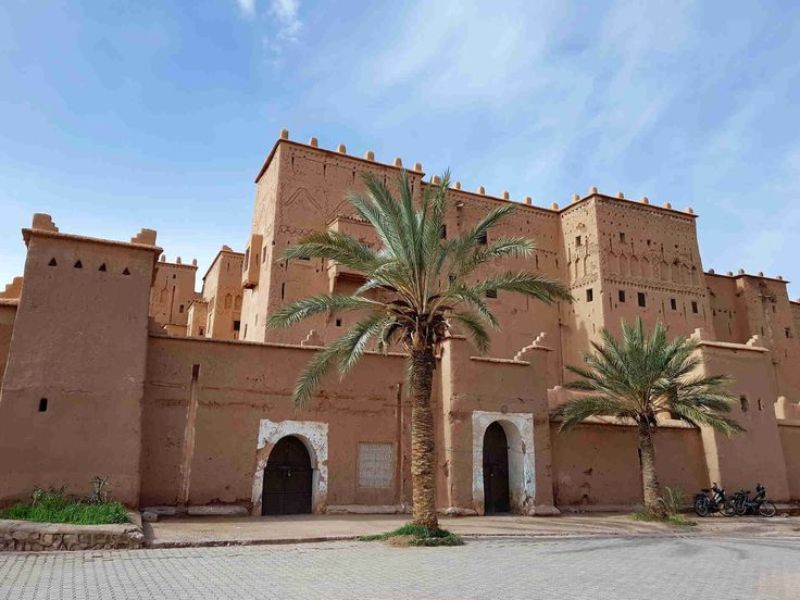
Exploring the Majestic Kasbahs of Morocco
The Moroccan Kasbah represents a rich cultural heritage, showcasing ancient architecture within fortified complexes. Serving as residences, administrative centers, and storage, Kasbahs reflect Morocco’s historical significance along vital trade routes. While many remain inhabited or transformed into guesthouses, efforts to preserve these structures are essential for future generations to appreciate their unique artistry and history.
-

The Rise and Legacy of the Almohads in Morocco
The Almohads, a powerful dynasty from the 12th-13th centuries, originated in Morocco and expanded their empire across North Africa and Islamic Spain. Founded by Ibn Tumart, they emphasized monotheism and social justice. Their legacy includes distinctive architecture, intellectual achievements, and cultural influence that still resonates in modern Morocco and Spain.
-

The Marinid Dynasty: Shaping Fez’s Cultural Renaissance
The Marinid Dynasty, emerging from the Western Sahara, succeeded the Almohads and established a golden age in Fez from the 13th to 15th centuries. Known for its architectural achievements, scholarship, and economic prosperity, the dynasty left an enduring legacy despite its decline, solidifying Fez as a major intellectual and artistic hub in Morocco.
-

The Alawite Dynasty: A Legacy of Moroccan Unity
The Alawite Dynasty has governed Morocco for over 350 years, shaping its identity and stability. Tracing their roots to the Tafilalt region, they became a unifying force amidst challenges from colonial powers. Each monarch, from Mohammed V to the present King Mohammed VI, has modernized and preserved Morocco’s rich heritage while embodying its spiritual and…
-

Discover El Jadida: A Hidden Gem of Morocco
El Jadida, a coastal city in Morocco, blends historical intrigue with a relaxed seaside atmosphere. Known for its UNESCO World Heritage-listed Portuguese City (Cité Portugaise), El Jadida showcases Renaissance architecture, charming streets, and beautiful beaches. Visitors can explore fascinating sites like the Cistern while enjoying fresh seafood and stunning ocean views.
-
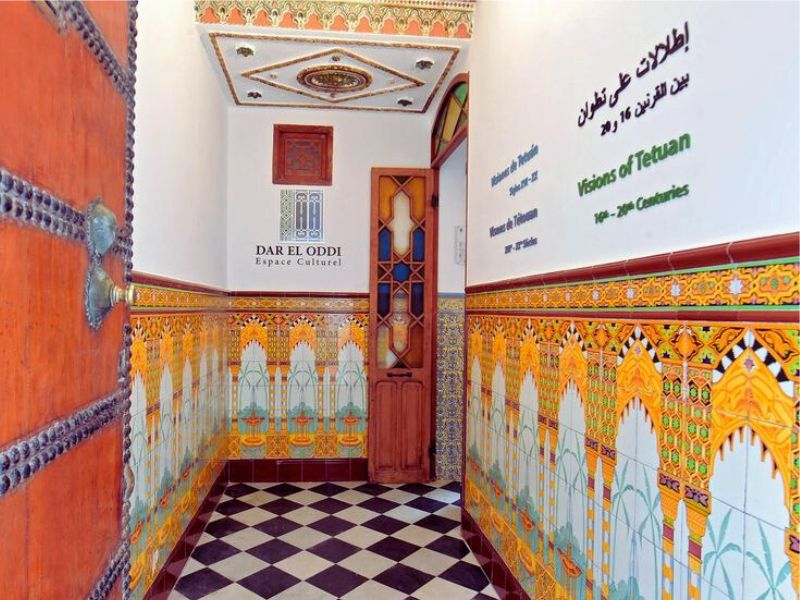
Discover Tetouan’s Ethnographic Museum: A Cultural Treasure
The Ethnographic Museum of Tetouan, also known as Dar El-Oddi, offers an intimate glimpse into the daily lives and traditions of Tetouanis through its rich collection. Housed in a beautifully preserved traditional home, the museum features traditional costumes, artisan tools, and household scenes, showcasing the region’s vibrant culture and heritage.
