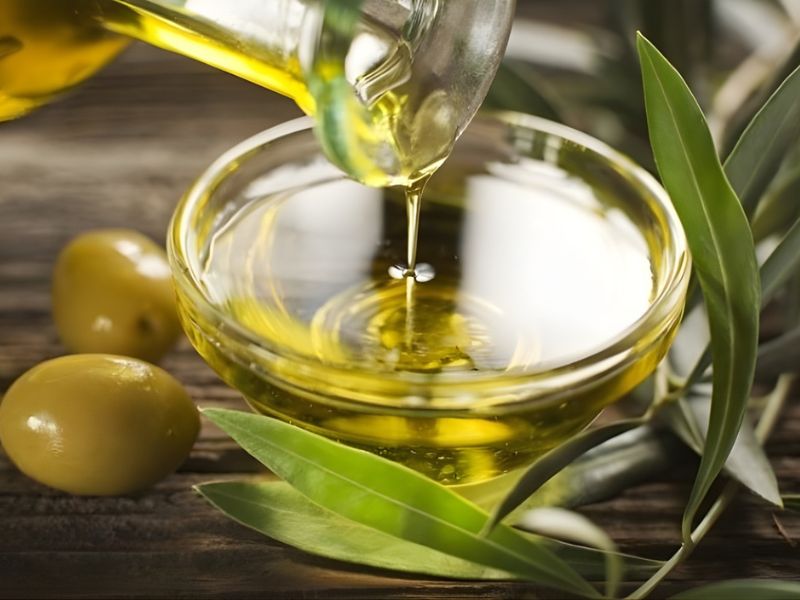

In the rolling hills surrounding the Imperial City of Meknes, there is a treasure more precious than the Sultan’s gold. It is liquid, luminous, and smells of sun-wrenched earth and fresh-cut grass.
Welcome to the Meknes Olive Oil region. Known as the “Tuscany of Morocco,” this fertile plateau has been producing some of the world’s finest extra-virgin olive oil for over two millennia. From the ancient Roman presses of Volubilis to the modern high-tech mills of today, the secret of the Meknes olive is a story of soil, soul, and heritage.
Meknes is the heart of Moroccan olive production, home to over 90% of the country’s olive trees. The unique microclimate—shielded by the Atlas mountains and fed by the mineral-rich plains—creates a flavor profile that is distinctively bold, peppery, and incredibly healthy.
🏺 A Heritage Rooted in Volubilis
The “secret” of Meknes olive oil isn’t new; it’s ancient.
- The Roman Foundation: When you visit the nearby ruins of Volubilis, you’ll see dozens of stone olive presses still in place. The Romans knew that the Picholine Marocaine (the local olive variety) was superior for its high oil content and resistance to the North African heat.
- The “Picholine Marocaine”: This is the star of the region. It produces an oil that is rich in polyphenols (antioxidants) and possesses a characteristic “sting” at the back of the throat—the hallmark of high-quality, fresh extra-virgin oil.
🥣 From Branch to Bottle: The Craft
In Meknes, olive oil is more than a commodity; it’s a ritual.
- Hand-Harvested Tradition: While modern groves exist, much of the fruit is still harvested by hand using traditional wooden sticks to gently shake the branches.
- The First Cold Press: The best oils in Meknes are “Cold Pressed,” meaning the temperature never exceeds 27°C during extraction. This preserves the delicate vitamins and the intense aroma of the fruit.
- A Taste Profile: Expect a sensory journey of green almonds, tomato leaf, and a spicy finish.
🥗 How to Enjoy Meknes Olive Oil Like a Local
In Meknes, olive oil isn’t just for cooking; it’s a focal point of the meal:
- The Breakfast Dip: A bowl of fresh oil, a pinch of cumin, and warm Khobz (Moroccan bread).
- The Bissara Drizzle: No bowl of fava bean soup (Bissara) is complete without a heavy pour of “Zait Zitoun” from Meknes.
- The Finishing Touch: Locals use it to finish tagines and salads, adding a layer of richness that butter simply cannot match.

Leave a comment