
The mid-17th century was one of the most tumultuous periods in Moroccan history. The once-mighty Saadian Dynasty, famous for its victory against the Portuguese at the Battle of Alcácer Quibir and for the architectural splendor of Marrakech, was fracturing. Regional warlords, powerful religious brotherhoods, and European incursions left Morocco fragmented and vulnerable.
It was during this era of chaos that the foundation for Morocco’s current ruling house, the Alawite Dynasty, was quietly and strategically laid by its first recognized leader: Moulay Ali Cherif.
1. The Setting: Fragmentation and Power Voids
Following the death of the last strong Saadian Sultan, Morocco dissolved into a myriad of competing entities:
- Regional Independence: Cities like Tetouan, Salé, and parts of the Atlas Mountains were effectively independent, ruled by local qaids or pirate republics.
- Religious Brotherhoods: Powerful Sufi zawiyas (religious centers) transformed into political and military powers, notably the Dila Brotherhood (Dila’iyya) in the Middle Atlas, which briefly held sway over large areas.
- European Pressure: European powers, particularly Spain and Portugal, maintained control over key coastal cities.
The center of the country had collapsed, and a new unifying force was desperately needed.
2. Moulay Ali Cherif: The Rise of the Tafilalt Sharif
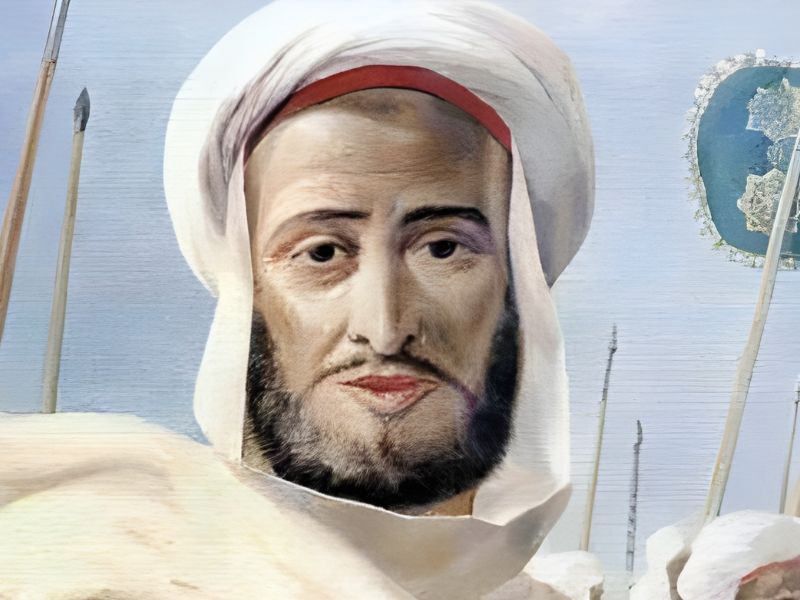
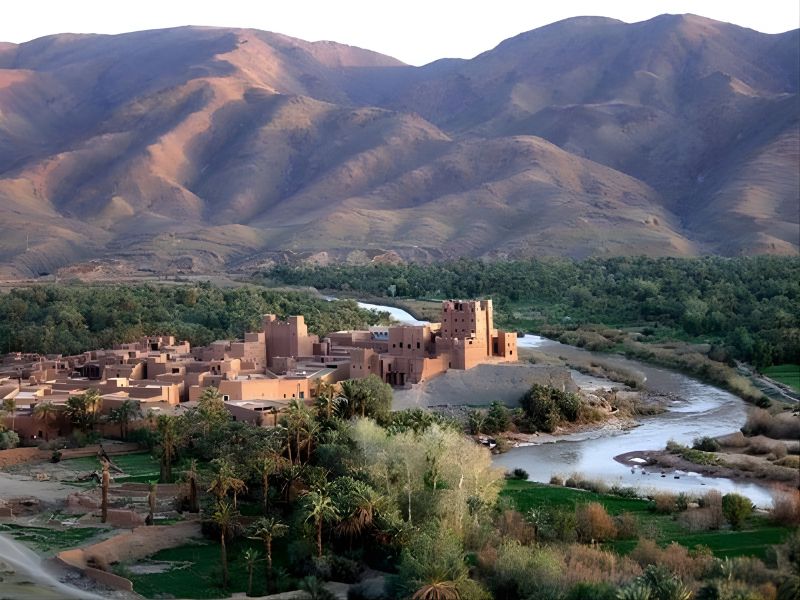
Moulay Ali Cherif (c. 1589–1659) did not begin as a powerful Sultan, but as a respected Sharif (a descendant of the Prophet Muhammad through his daughter Fatima) in the Tafilalt oasis—a geographically isolated yet strategically important region in southeastern Morocco.
- A Foundation of Legitimacy: The key to the Alawites’ success was their Sharifian lineage. In a religiously devout and politically fragmented era, the prestige and spiritual legitimacy of being a descendant of the Prophet were invaluable tools for attracting followers and unifying disparate tribes.
- Consolidation in Tafilalt: Rather than challenging the Saadians directly in the western cities, Ali Cherif focused on consolidating control over the oases and valleys of the Tafilalt region. He was recognized by the local tribes as their leader, establishing a solid, reliable base of power and resources (like dates and control over trans-Saharan trade routes).
3. From Religious Authority to Political Leadership
Moulay Ali Cherif’s initial power was based on his spiritual authority, which transitioned into political necessity as the region demanded stability.
- The Struggle for Recognition: His rule was not unchallenged. He faced competition from other local powers and even briefly stepped aside, handing power to his son, Moulay Mohammed. However, his initial efforts in the Tafilalt laid the clear groundwork for dynastic rule.
- A Transition Figure: Moulay Ali Cherif is best viewed as the founding patriarch. He stabilized the eastern front, established the Alawite legitimacy, and passed on a consolidated regional base to his successors. While his reign was confined primarily to the Tafilalt, it was the essential platform from which the true expansion would launch.
4. The Legacy: Consolidation and Unification
The ultimate success of the Alawite Dynasty was built directly on the foundation laid by Moulay Ali Cherif:
- Moulay Mohammed (His Son): Expanded the Alawite domain westward, engaging in direct conflicts with the Dila Brotherhood.
- Moulay Ismail (His Grandson): The true military unifier. Drawing on the legitimate base established in Tafilalt, Moulay Ismail drove out European forces, crushed regional dissent, and created a powerful, centralized state that endures today.
Moulay Ali Cherif’s achievement was not in conquest, but in legitimacy and foresight. He realized that to rule a fragmented Morocco, one first needed an unquestionable spiritual claim and a secure, uncontested territorial base. By establishing the Alawite presence in the Tafilalt, he provided the seed from which the longest-ruling dynasty in modern Moroccan history would grow.

Leave a comment