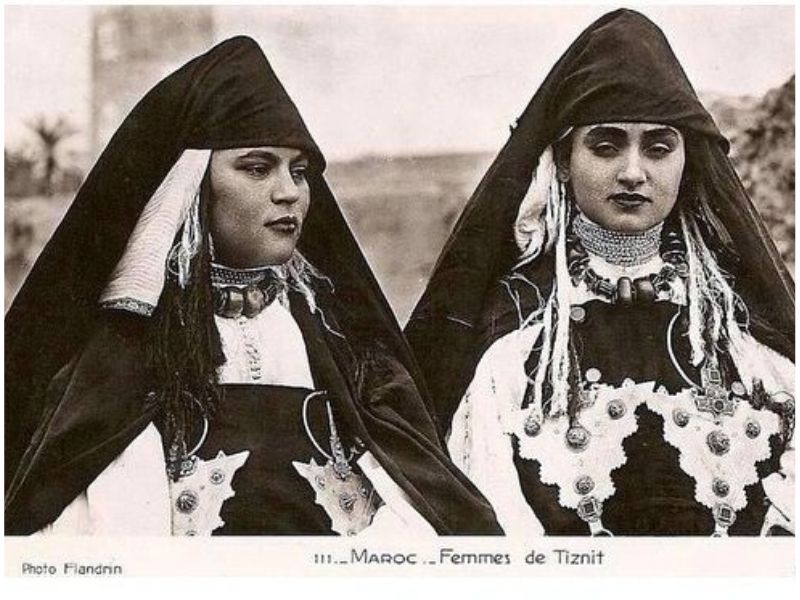

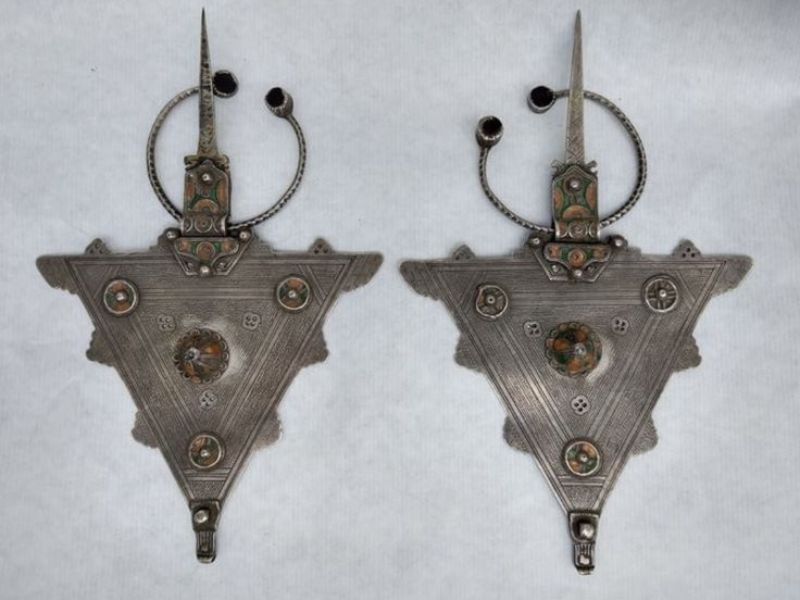
The Amazigh Fibula is a traditional brooch. It holds significant cultural and symbolic importance in Moroccan jewelry. This is particularly true among the Amazigh (Berber) community. This decorative piece is not only a beautiful work of art. It is also a representation of Amazigh identity. It showcases their heritage and traditions. In this blog, we will explore the history of the Amazigh Fibula. We will discuss its significance and craftsmanship. Its importance in Moroccan culture will be highlighted.
History and Origins
The Amazigh Fibula has a rich history that dates back to ancient times. The Amazigh people, also known as Berbers, have inhabited North Africa for thousands of years. They have developed a distinct culture and traditions. The fibula is believed to have originated in the pre-Islamic era. Its design and symbolism were influenced by various cultures. These include the ancient Romans, Vandals, and Arabs.
Symbolism and Significance
The Amazigh Fibula is more than just a decorative piece; it holds deep symbolic meaning and significance. It represents:
- Identity: The fibula is a symbol of Amazigh identity and heritage, distinguishing the community from others.
- Protection: It’s believed to offer protection to the wearer from harm, evil spirits, or bad luck.
- Beauty: The fibula is a decorative piece that showcases the wearer’s beauty and style.
- Status: In some cases, the fibula may indicate the wearer’s social status or marital status.
Design and Craftsmanship
Amazigh Fibulas are known for their intricate designs and craftsmanship. They often feature:
- Geometric patterns: Geometric shapes, such as triangles, circles, and squares, are commonly used in Amazigh Fibula designs.
- Symbols and motifs: The fibula may feature symbols and motifs that reflect Amazigh cultural heritage. Examples include the Tamazight alphabet, animals, or plants.
- Silver or other metals: Fibulas are often made from silver, copper, or other metals, sometimes adorned with gemstones or enamel.
- Traditional techniques: Fibulas are typically handmade using traditional techniques passed down through generations of Amazigh craftsmen.
Cultural Importance
The Amazigh Fibula plays a significant role in:
- Cultural preservation: It helps preserve Amazigh cultural heritage and traditions.
- Identity expression: The fibula is a visible expression of Amazigh identity and pride.
- Artistic expression: It showcases the craftsmanship and artistry of Amazigh jewelry makers.
Modern Significance
Today, the Amazigh Fibula continues to be an important part of Moroccan cultural heritage. Many designers, especially in Tiznit, Agadir, and Essaouira, are incorporating traditional elements into modern jewelry pieces. They blend traditional craftsmanship with contemporary styles.
In conclusion, the Amazigh Fibula is a remarkable piece of jewelry that holds deep cultural and symbolic significance. Its intricate designs, craftsmanship, and symbolism reflect the rich heritage and traditions of the Amazigh community. The Amazigh Fibula is a symbol of identity, protection, and beauty. It continues to play an important role in Moroccan culture. It also inspires new generations of artisans and designers.
References:
- “Amazigh Jewelry: A Reflection of Cultural Heritage”: An article exploring the significance of Amazigh jewelry in Moroccan culture.
- “The Art of Amazigh Fibula”: A book detailing the history and craftsmanship of Amazigh Fibulas.

Leave a comment