
Tucked away in the High Atlas Mountains of southern Morocco, a spectacular natural wonder unfolds: the Dades Valley. Often called the “Valley of a Thousand Kasbahs,” this breathtaking region is a testament to the raw, rugged beauty of the Moroccan landscape. Carved by the Dades River over millennia, the valley is a dramatic canvas of towering red and brown rock formations, lush green oases, and ancient mud-brick villages that cling to the hillsides.
A journey through the Dades Valley is more than just a drive; it’s an immersive experience that combines geological marvels with rich Berber culture. For the adventurous traveler, the photographer, and the nature lover, it’s an unmissable destination on the road to the Sahara.
What Can Tourists Explore in the Dades Valley?
The valley offers a diverse range of attractions that will leave you in awe. From adrenaline-pumping drives to peaceful village walks, there’s something for every kind of explorer.
1. The Dades Gorge & The Zig-Zag Road
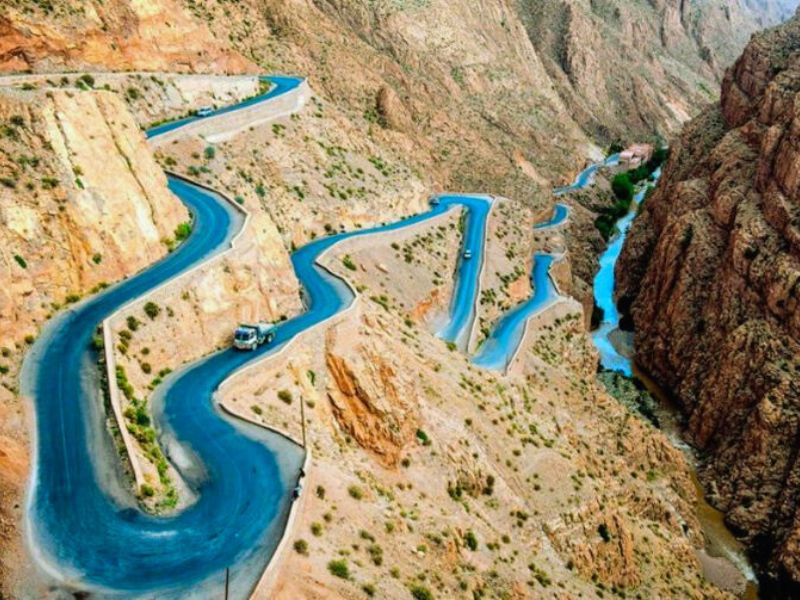
The most iconic part of the valley is the Dades Gorge itself. As the road snakes its way deeper into the mountains, the valley walls narrow and rise dramatically, revealing a landscape of incredible power and scale. The highlight for many is the famous winding road with its series of hairpin turns, which zig-zags up the side of a cliff to provide a stunning panoramic viewpoint. From this vantage point, you can truly appreciate the river’s path and the layered red rock formations that frame it. The drive is an adventure in itself and offers incredible photo opportunities.
2. The “Monkey Fingers” Rock Formations
Just before the most famous section of the gorge, you’ll encounter a geological marvel known as the “Monkey Fingers.” These unique rock formations are a series of jagged, vertical pinnacles that look uncannily like a primate’s fingers reaching for the sky. It’s a whimsical and striking sight, perfect for a photo stop and a moment to marvel at nature’s unpredictable artistry.
3. The Ancient Kasbahs & Berber Villages
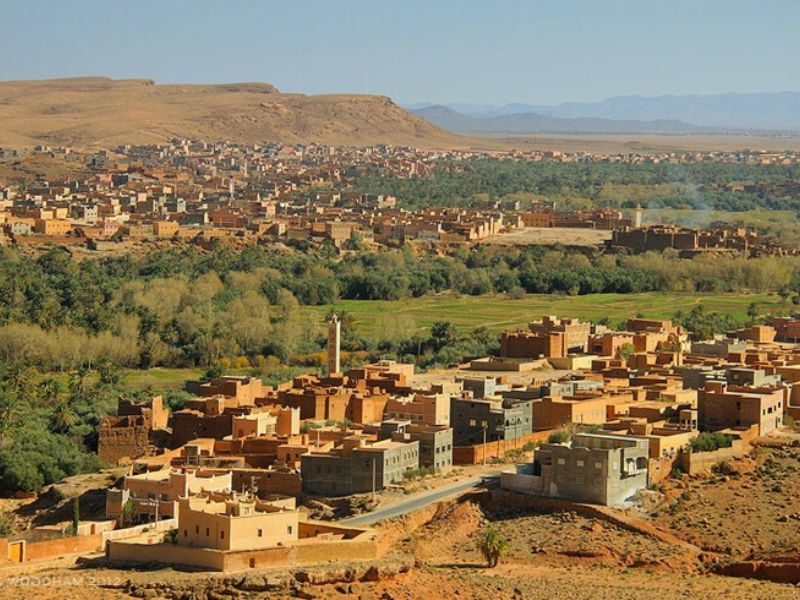
The Dades Valley earned its nickname “Valley of a Thousand Kasbahs” for a reason. Along the valley floor and perched on the hillsides, you’ll see countless traditional mud-brick citadels. These impressive fortified houses, some still inhabited and others in various states of ruin, speak to a history of ancient traditions and a need for protection. Many local villages offer warm Berber hospitality, with opportunities to enjoy a traditional meal, share a glass of mint tea, and get a glimpse into a way of life that has remained unchanged for centuries.
4. Hiking and Trekking
For those who want to get closer to the landscape, the Dades Valley is a hiker’s paradise. The area is crisscrossed with trails that lead you through lush oases, past traditional villages, and into the heart of the striking rock formations. You can take a short, easy walk along the river, or embark on a multi-day trek with a local guide. Popular routes include trails to the Monkey Fingers or to a viewpoint overlooking the entire valley. Hiking allows you to escape the main road and truly immerse yourself in the serene beauty of the region.
5. Savoring the Local Culture
The Dades Valley is the heartland of the Amazigh (Berber) people. The culture here is as authentic as the landscape. Tourists can explore local markets, witness traditional farming practices, and even stay in a traditional guesthouse to experience genuine Berber hospitality. The food, often centered around fresh, local ingredients, is a highlight in itself.
Getting to the Dades Valley
The Dades Valley is a popular stop on the circuit from Marrakesh to the Sahara Desert, often visited on multi-day tours.
- By Tour: Many tour operators offer 3-4 day trips from Marrakesh or Fez that include a drive through the Dades Valley, with an overnight stay in a traditional guesthouse.
- By Car: Renting a car gives you the flexibility to explore the valley at your own pace. The journey from Marrakech takes about 6-7 hours, with Ouarzazate serving as a convenient entry point.
A visit to the Dades Valley is a journey into Morocco’s wild heart, where the power of nature and the warmth of Berber culture combine to create an unforgettable adventure.

Leave a comment