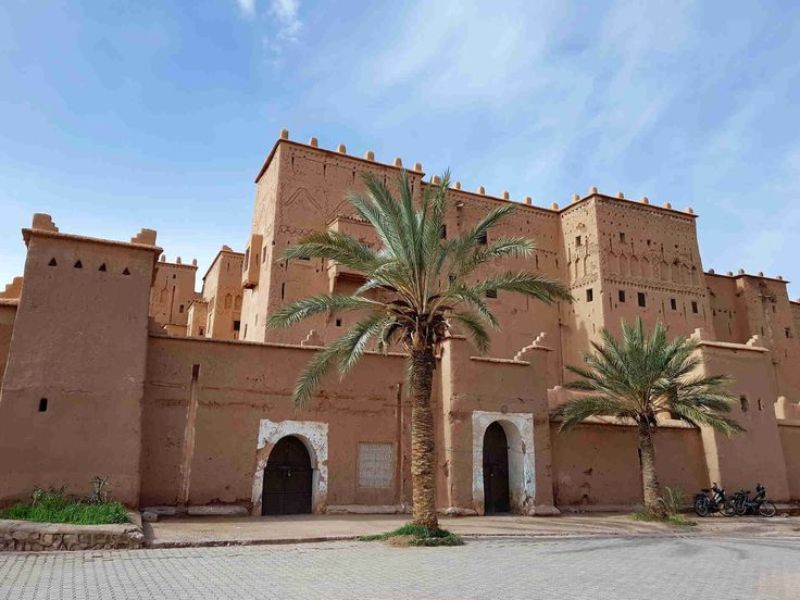

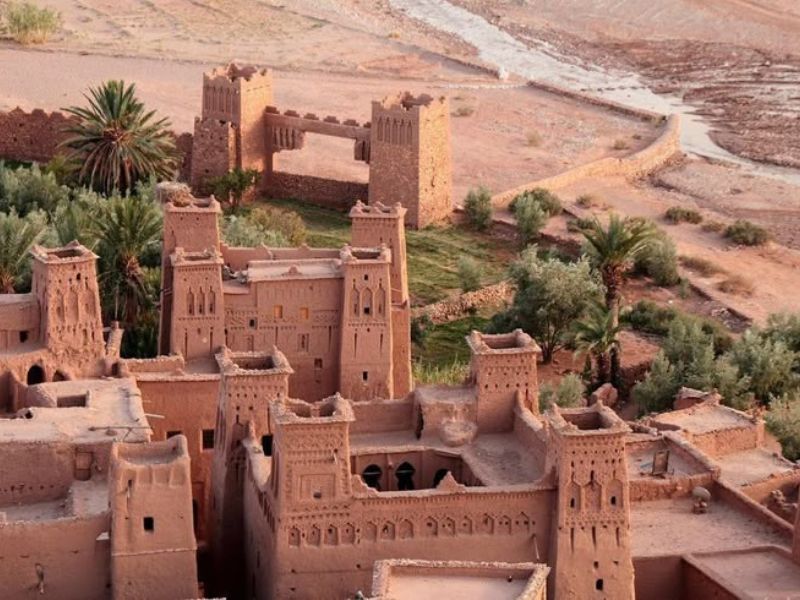
Imagine a land where ancient fortresses rise like earthy sculptures from the rugged terrain. Their towering walls whisper tales of trade routes, powerful leaders, and fierce protection. This is the world of the Moroccan Kasbah. It is an architectural marvel. It is also a profound symbol of the Kingdom’s rich history and enduring cultural heritage.
More than just old buildings, Kasbahs are living monuments, ingrained in the landscape and the very soul of Morocco. If you’re captivated by history, unique architecture, and stories of bygone eras, exploring these magnificent structures is an absolute must.
What Exactly is a Kasbah? A Fortress of Life
At its heart, a Kasbah is a fortified complex, a citadel, or a strong defensive residence. While often used interchangeably with “ksar” (a fortified village that might contain several Kasbahs or traditional homes), a Kasbah specifically refers to a large, often imposing, mud-brick or pisé (rammed earth) structure that served multiple purposes:
- Residence: It served as the stronghold and home of a local ruler. This could be a chieftain or governor, known as a Caid. It also housed their extended family.
- Administration: A center of local power, where decisions were made and justice was dispensed.
- Defense: Its high, thick walls provided protection. These walls were often punctuated by watchtowers. Narrow, defensible entrances also enhanced security. They offered protection against invaders, rival tribes, and brigands.
- Storage: They often contained granaries and secure storage for provisions.
These structures, though built from seemingly fragile materials like earth and straw, are remarkably resilient. They are a testament to ancient building techniques perfectly adapted to their environment.
Echoes of Empire: A History Forged in Earth and Power
The origins of Kasbahs are deeply rooted in Morocco’s strategic position. It serves as a crossroads between North Africa, Europe, and sub-Saharan Africa. They emerged as vital points of control along crucial trade routes. This is especially true for the trans-Saharan routes that brought gold, salt, and spices across the desert.
Throughout various dynasties, Kasbahs played a pivotal role in maintaining control over vast territories. This included dynasties from the Almoravids and Almohads to the Saadians and Alawite rulers. Each powerful family or tribe would construct its own Kasbah. This was a visible declaration of its authority. It also served as a secure haven for its wealth and people.
The architectural style is distinct. Imagine imposing, often windowless lower levels. Geometric patterns are etched into the sun-baked mud brick. Interiors revolve around cool, shaded courtyards. These fortresses were designed to be functional. They were imposing as well. They blend seamlessly with the ochre and red hues of the Moroccan landscape.
Cultural Heritage: More Than Just Walls
The significance of Kasbahs stretches far beyond their defensive function:
- Symbols of Identity: They are powerful symbols of Amazigh ingenuity and resistance, embodying centuries of unique architectural traditions.
- Living History: Many Kasbahs are still inhabited by families. Others have been carefully preserved or transformed into guesthouses. These changes allow visitors to step directly into history.
- Artistic Masterpieces: Beyond the rugged exteriors, some Kasbahs hide incredible interior artistry. Think intricate stucco work, carved cedarwood ceilings, and colorful tile mosaics that speak to a sophisticated aesthetic.
- UNESCO Recognition: The international community recognizes their unparalleled value. The Ksar of Ait Benhaddou, arguably the most famous Kasbah complex, is a designated UNESCO World Heritage Site. It is celebrated for its well-preserved architecture. It also plays a role as a traditional pre-Saharan habitat.
- Community Roots: Even today, the areas around Kasbahs are often vibrant communities. Traditional life continues there. The fortresses stand as silent guardians over generations.
Exploring the Grandeur: A Journey Through Time
To truly appreciate a Kasbah is to experience it firsthand. As you approach, their imposing silhouettes seem to grow directly from the earth, blending perfectly with the arid environment. Inside, the thick walls offer a cool, echoing respite from the sun, and the winding passages invite exploration.
Iconic Kasbahs to Discover:
- Ait Benhaddou: This is the quintessential Kasbah. It is located near Ouarzazate. It is famed for its appearance in countless films. It has breathtaking beauty at sunrise or sunset. It’s a UNESCO gem.
- Telouet Kasbah (High Atlas Mountains): This Kasbah was once the formidable stronghold of the powerful Glaoui family. It is now largely in ruins but hides exquisitely preserved reception halls. These halls feature stunning zellige tiles, stucco, and cedarwood ceilings. They serve as a poignant reminder of past glory.
- Taourirt Kasbah (Ouarzazate): This is a sprawling, partially restored Kasbah. It offers a fantastic opportunity to explore its many rooms and courtyards. These features give a sense of its vast scale.
- Kasbah of the Udayas: This is a unique example. It is located in Rabat. It isn’t a desert fortress but a picturesque, fortified citadel. The citadel overlooks the Bou Regreg river and the Atlantic. It is known for its charming blue and white alleys and Andalusian gardens.
Preserve the Past, Embrace the Future
While many Kasbahs stand testament to enduring legacy, they also face challenges from the elements and modernization. Efforts to preserve and restore these earthen marvels are crucial. This ensures that future generations can continue to walk through these living pages of Moroccan history.
A visit to a Moroccan Kasbah is more than just sightseeing. It’s a journey into the heart of the country’s architectural soul. It offers a connection to ancient ways of life. You gain a profound appreciation for the ingenuity and artistry of the Amazigh people. These silent sentinels truly invite you to step into a timeless story.

Leave a comment