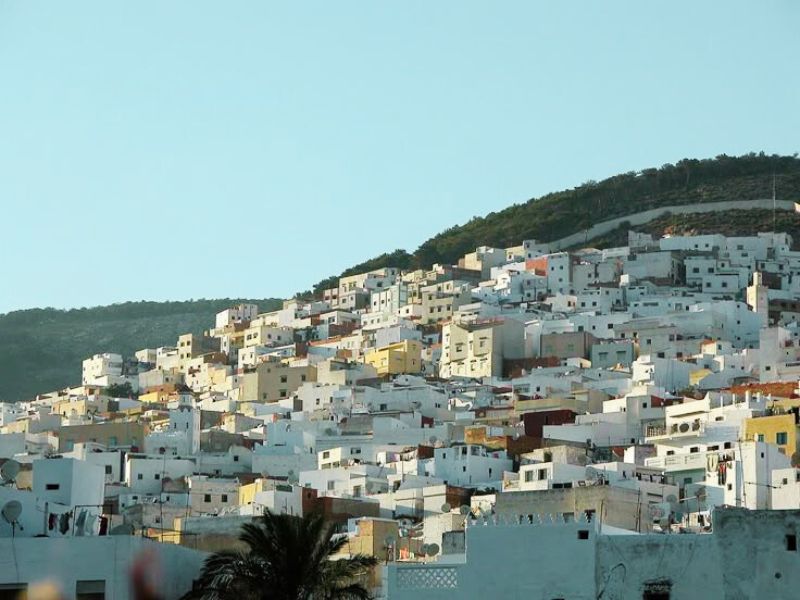


Stepping into the ancient medina of Tetouan is like crossing a threshold into another era. Tetouan’s old town offers a more intimate and serene experience. It is uniquely captivating, unlike the sprawling, often overwhelming medinas of Fez or Marrakesh. This UNESCO World Heritage site is known as “The White Dove” for its uniformly whitewashed houses. It is renowned for its rich history. It is shaped by Andalusian elegance. The site also embodies a profound sense of cultural preservation.
For travelers seeking an authentic glimpse into Morocco’s past, Tetouan’s medina is an unmissable journey. In this place, every alley tells a story. Every doorway hides a secret.
A Sanctuary Born of Exile: The Medina’s History
The very soul of Tetouan’s medina lies in its origins. Andalusian refugees (Muslims and Jews) re-established it in the late 15th century after being expelled from Spain. They meticulously designed and built it to reflect the sophisticated urban planning. The architectural styles they left behind were also reflected. These exiles recreated a piece of Al-Andalus. They created a compact, highly organized city within walls. These walls offered refuge and a vibrant new beginning.
This unique history has preserved a distinct character. It makes Tetouan’s medina one of the most authentic. It remains untouched by major external influences. It’s a living museum, where traditions continue as they have for centuries.
What to Explore: A Labyrinth of Delights
Wandering through Tetouan’s medina is an experience to be savored slowly, allowing yourself to get wonderfully lost in its charm.
- The Magnificent Gates: Your journey often begins at one of its historical gates, the most famous being Bab el-Okla. These grand entrances not only mark the transition from the modern city to the ancient. They also often lead directly into the heart of the souks. Take a moment to admire their impressive architecture.
- The Whitewashed Alleys & Architecture: The defining feature of Tetouan’s medina is its pristine white buildings. The narrow, winding alleys create a cooling microclimate and an atmosphere of peaceful seclusion. Look up to admire the wooden balconies, the delicate ironwork on windows, and the subtle variations in plasterwork. Many homes feature exquisite zellij (geometric tilework) and carved cedarwood, showcasing the enduring Andalusian craftsmanship.
- The Lively Souks (Markets): While less frenetic than other imperial cities, Tetouan’s souks are vibrant and authentic, organized into distinct sections for different crafts:
- Leather Quarter: Witness traditional tanneries and find beautiful leather goods, from colorful babouches (slippers) to intricately tooled bags.
- Textile Souk: Explore a riot of colors and textures, with beautifully embroidered fabrics, traditional garments, and carpets.
- Jewelry Souk: Discover unique silver and gold pieces. These include the beloved Khmissa (Hamsa) pendants. They often feature local Tetouani designs.
- Pottery & Ceramics: Tetouan has its own distinct ceramic style, so keep an eye out for its local pottery.
- Food Markets: Immerse yourself in the daily hustle and bustle, with fresh produce, spices, and local delicacies.
- Hidden Riads & Traditional Houses: Beyond the public spaces, the medina is filled with magnificent private homes. Most are not open to the public. However, some, like Dar El-Oddi (which houses the Ethnographic Museum), offer a chance to step inside. It is a beautifully restored traditional Tetouani house. It comes complete with tranquil courtyards and ornate interiors.
- Museums within the Medina:
- Ethnographic Museum (Dar El-Oddi): As mentioned, this museum is a must-visit. It helps in understanding the daily life, costumes, tools, and traditions of the region. All of this is experienced within an authentic historical setting.
- Traditional Arts School (Dar Sanaa): It is not always fully open to casual visitors. However, its presence highlights the medina’s role as a living center. This center transmits traditional crafts, such as the special embroidery of Tetouan.
- Local Life: The medina is a living, breathing community. Observe the daily rituals – the children playing, the artisans at work, the shopkeepers chatting, the calls to prayer. It’s a place where time seems to slow, inviting you to simply be present.
Tips for Exploring
- Wear Comfortable Shoes: You’ll be doing a lot of walking on uneven surfaces.
- Embrace Getting Lost: It’s part of the charm! The medina is relatively compact, and locals are usually happy to help you find your way.
- Respect Local Customs: Dress modestly, especially if entering religious sites. Always ask before taking photos of people.
- Bargain Gently: It’s part of the shopping experience, but always be respectful and friendly.
Tetouan‘s ancient medina is not just a collection of buildings; it’s a profound cultural experience. It offers a unique window into a heritage shaped by resilience, elegance, and the enduring spirit of its people. Take your time, wander, and let the white walls whisper their stories to you.
Sources & Further Reading:
- UNESCO World Heritage Centre. Medina of Tétouan.

Leave a comment