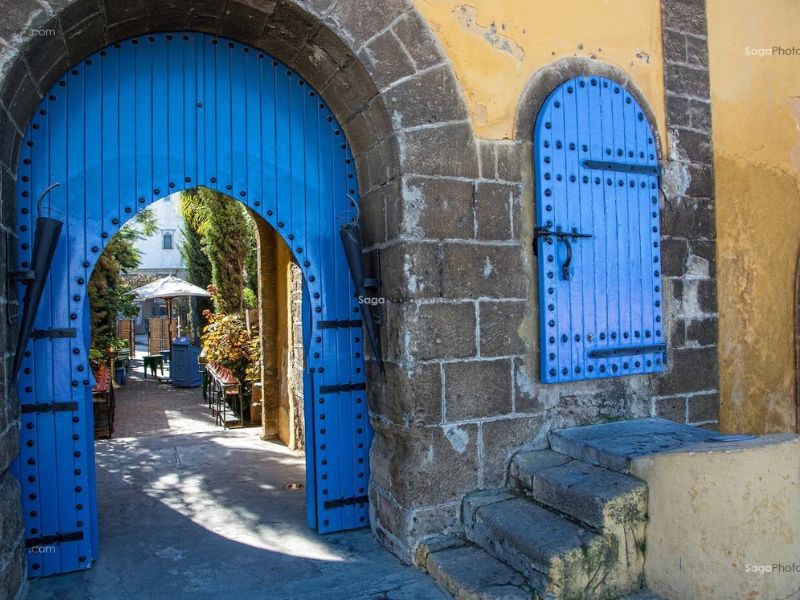

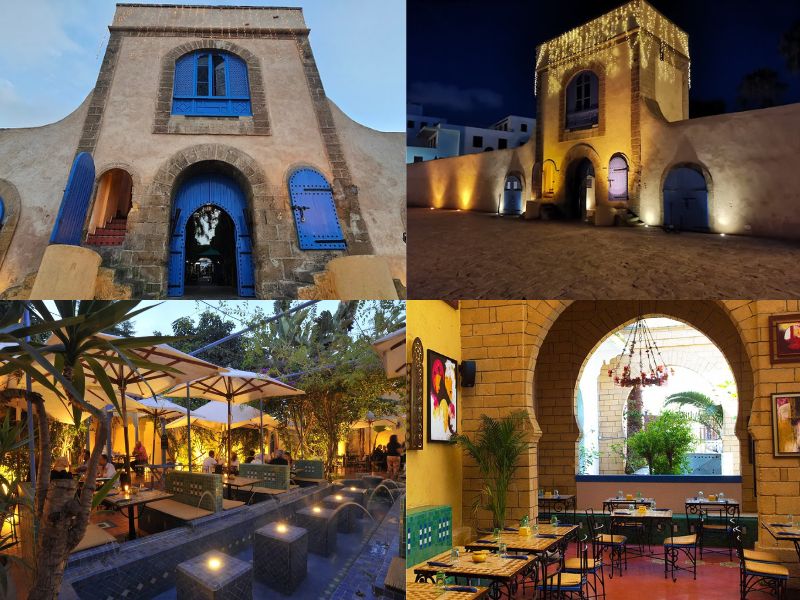
The Sqala is a historic fortress and gun platform located in the ancient Medina of Casablanca, Morocco. This 18th-century fortress has been beautifully restored. It has been transformed into a stunning restaurant and Moroccan cafe. The venue offers a unique dining experience and a glimpse into Morocco’s rich cultural heritage.
History of the Sqala
The Sqala was built during the reign of Sultan Mohammed III (1757-1790) as part of the city’s defensive system. The fortress was designed to protect the city from naval attacks and invasions. Its strategic location allowed for effective surveillance of the surrounding waters. Over the centuries, the Sqala has played a significant role in Casablanca’s history. It served as a military outpost, a prison, and even a storage facility.
Architecture of the Sqala
The Sqala is an exemplary model of traditional Moroccan architecture, showcasing the craftsmanship and expertise of local artisans. The fortress features:
- Thick stone walls: The Sqala’s walls are constructed from local stone, providing a sturdy defense against potential threats.
- Battlements: The fortress is adorned with battlements, allowing defenders to protect themselves while firing at enemies.
- Intricate tile work: The Sqala features intricate tile work and carvings, showcasing the artistic skills of Moroccan craftsmen.
The Sqala Today: A Restaurant and Cafe
The Sqala has undergone years of restoration. It has been transformed into a beautiful restaurant and Moroccan cafe. The place offers a unique dining experience. The Sqala’s menu features a variety of traditional Moroccan dishes, including:
- Tagines: Slow-cooked stews made with meat, vegetables, and dried fruits.
- Couscous: A traditional Moroccan dish made from semolina flour.
- Pastilla: A savory pie made with meat, onions, and spices.
The Sqala’s cafe serves a range of Moroccan teas and coffees, as well as traditional pastries and desserts.
Cultural Significance
The Sqala is not only a historic landmark but also a symbol of Moroccan culture and hospitality. The restaurant and cafe offer a unique opportunity to experience Moroccan cuisine and culture in an authentic setting.
Visiting the Sqala
Today, the Sqala is a popular destination for foodies and culture lovers alike. When visiting the Sqala, you can:
- Enjoy traditional Moroccan cuisine: Savor the flavors of Morocco’s rich culinary heritage.
- Experience Moroccan hospitality: Be treated to warm hospitality and traditional Moroccan service.
- Admire the architecture: Marvel at the Sqala’s stunning architecture and historic significance.
To conclude, the Sqala of the ancient Medina is a historic fortress turned restaurant and cafe. It offers a unique dining experience. It also provides a glimpse into Morocco’s rich cultural heritage. Whether you’re a foodie or a history buff, the Sqala will captivate you. If you are simply looking for a unique experience, the Sqala will inspire you.
Tips for Visiting the Sqala
- Reservations: Book a table in advance to ensure availability.
- Traditional dress: Consider dressing in traditional Moroccan attire to enhance the experience.
- Cultural events: Check for cultural events and live music performances at the Sqala.
By visiting the Sqala, you’ll gain a deeper understanding of Moroccan culture and cuisine, making it an unforgettable experience.

Leave a comment